

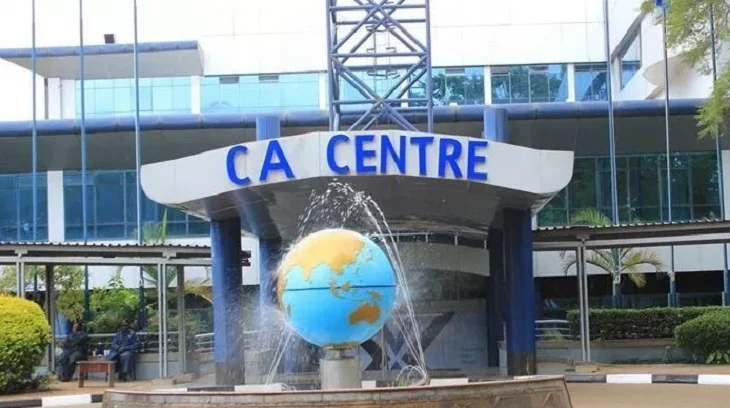
The Communications Authority of Kenya (CA) has opened the door for public input on a fresh set of rules that could change how telecom cables are installed and maintained across the country.
In new draft guidelines released for 2026, the regulator is pushing for stricter standards in the rollout and upkeep of fibre optic and other communication cables. The move comes as Kenya’s appetite for fast and reliable internet continues to grow, putting more pressure on infrastructure that has not always kept up with demand.
The proposed Technical and Procedural Guidelines aim to bring order to a sector that has often faced criticism over messy installations, frequent service disruptions and safety concerns. In many urban areas, poorly laid cables, exposed wires and repeated digging of roads have become common complaints from both residents and businesses.
According to the Authority, the new framework is meant to ensure that all licensed operators and contractors follow the same clear procedures when installing, servicing and repairing telecom infrastructure. This includes better planning, safer deployment methods and proper restoration of affected areas after works are completed.
CA says the quality of physical infrastructure plays a bigger role in internet performance than many users realise.
“Your internet experience is not only determined by your device or service provider, but also by how the physical cable infrastructure is installed and maintained,” the Authority noted.
It warned that weak standards in installation and maintenance have real consequences for users and the wider economy.
“Poor installation and maintenance of telecom infrastructure can result in outages, slow connectivity and avoidable safety risks to the public,” CA added.
Kenya’s digital economy has expanded rapidly in recent years, driven by mobile money, e-commerce, online media and government digitisation. Reliable internet is now a basic need for businesses, schools, hospitals and households. However, the infrastructure supporting this growth has sometimes been uneven, especially in fast-growing urban centres and new residential areas.
The regulator believes that setting firm technical standards will help reduce frequent cable cuts, improve service reliability and protect both workers and the public. It will also help coordinate multiple players in the sector, including internet service providers, contractors and utility companies that often share the same corridors for infrastructure.
The draft rules are also expected to address issues such as proper labelling of cables, adherence to approved routes, use of quality materials and compliance with safety guidelines during excavation and installation works. In addition, there is a focus on maintenance practices to ensure faults are fixed quickly and professionally.
Stakeholders across the ICT sector have now been invited to give their views before the rules are finalised. This includes service providers, infrastructure companies, engineers and ordinary Kenyans who rely on internet services daily.
The Authority has set May 20, 2026, as the deadline for submissions. Feedback collected during this period will be used to refine the guidelines before they are officially adopted.
The move signals a broader push by CA to tighten oversight in the telecom sector and improve service delivery nationwide. If implemented effectively, the new rules could lead to fewer outages, better connectivity and safer infrastructure across the country.












Leave a comment