

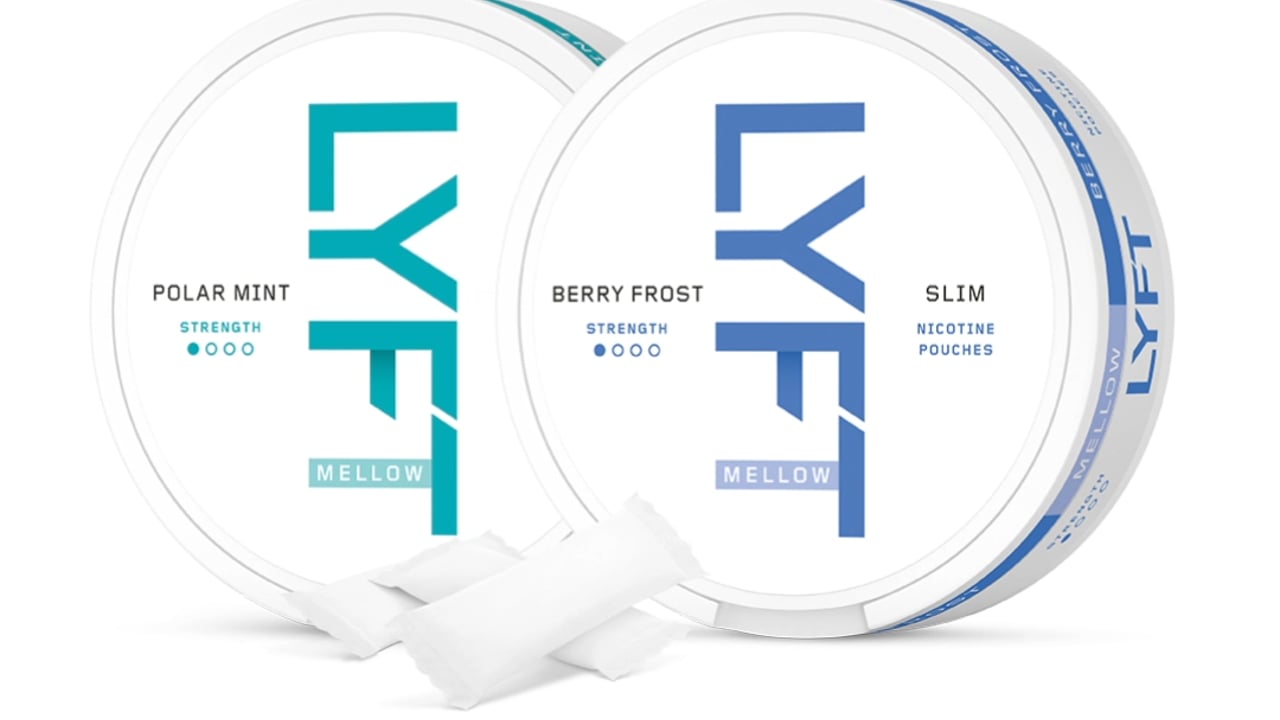
Health Cabinet Secretary Mutahi Kagwe on Tuesday accused the Pharmacy and Poisons Board of flouting tobacco control laws when it licensed the sale of LYFT nicotine pouches by British American Tobacco (BAT) Kenya.
In a directive to the board, CS Kagwe expressed his reservations over the manner in which the board licensed the product and wants it declared illegal following numerous complaints from parents, anti-tobacco lobby groups and Kenyans at large who had observed that Lyft is easily accessible in the market and is being abused by minors.
“Market surveillance has revealed that the product is dispensed in automatic vending machines contrary to the law,” Kagwe said in the letter.
Since the product was launched in the Kenyan market at the latter stages of 2019, the product has skyrocketed in popularity and is easily accessible in supermarkets and shops at Ksh20.
Lyft is marketed in Kenya by BAT but the company has noted its potential and decided to manufacture its own pouches.
In June, BAT said it had invested in a Ksh2.5billion ($23 million) on an oral nicotine production facility to serve the regional export market in East Africa as well as external markets.
The launch of the product was in line with BAT’s strategy to adapt to the changing preferences of smokers which have been evolving based on convenience and taste.
Lyft is consumed by placing the pouch under their lip. The nicotine is then absorbed through the gums.
Immediately after consumption, a user feels a tingling effect, but the feeling fades after a few minutes but the user can enjoy the “buzz” for up to an hour which is widely regarded as a much longer-lasting than traditional cigarettes
The product is available in a range of flavours and nicotine strengths, offering smokers and nicotine consumers a satisfying way to consume nicotine.
The Kenya Tobacco Control Alliance (KeTCA) wanted the product banned citing that minors were having a field day accessing it in shops and supermarkets besides stressing the product is highy addictive.
“A product that is highly addictive and poses health risks should not be sold freely. We want the nicotine product heavily taxed and regulated,” said KeTCA Chairperson Joel Gitali in an interview with a local publication.












Leave a comment