

There is a device being used rather often lately by our most vocal lobbyists as they chase new regulation or the overturning of old rules: ‘Europe’ has banned it, or done it, or changed it, as a reason to reshape our own policies.
However, the problem with this form of case building, just as when our children tell us their friend’s parents allow it or have bought it, is that the comparison comes without circumstantial detail, and with the possibility of being untrue in the way it is presented, or, at the very least, of being irrelevant to our own circumstances.
Indeed, few things are more illustrative of those pitfalls than the oft-cited banning of pesticides by Europe. In the ‘one-story-fits-all’ line of case-building, we are told that Europe has banned a mass of pesticides because they are giving humans cancer and reproductive problems.
This is painful for experts to witness. For, in our era of short-form information, few non-experts will go and find out the actual truth of what Europe has banned, or why, and what the consequences are. Yet, without that knowledge, we stand in danger of being badly manipulated.
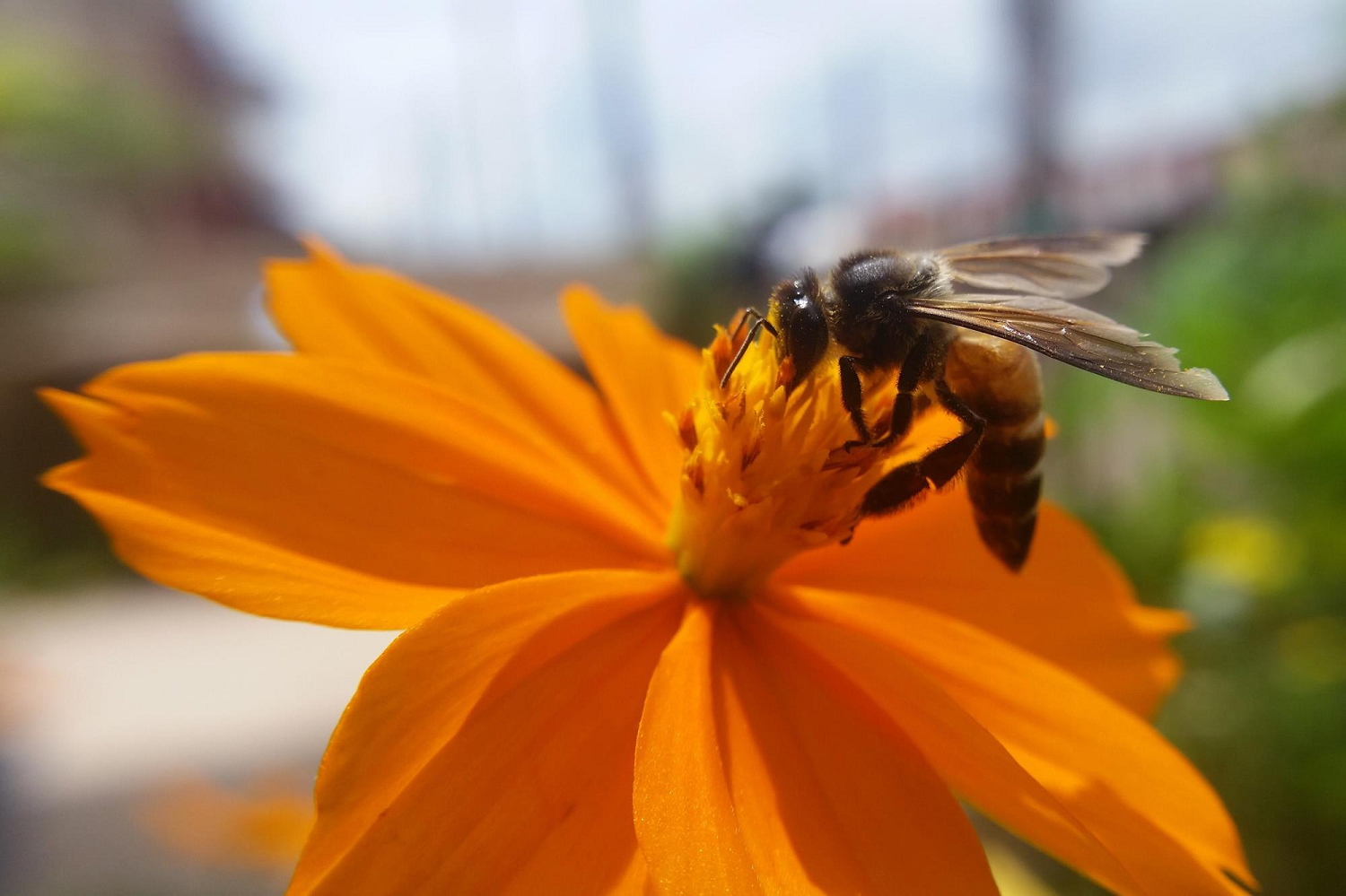
A perfect example is a group of pesticides called neonicotinoids, which are now banned in Europe for outdoor uses: the first point is that they were banned because of their claimed impact on bees, not humans.
For, over a decade ago, the managers of large bee colonies in the US and Europe began reporting bees were simply disappearing. That is worrying for everyone, because bees are key pollinators for many fruits and foods, estimated at around $20 billion worth of crops worldwide.
Green lobbyists immediately leapt to the podium calling out pesticides as the cause. There was no scientific evidence that they were, but political pressure anyway began building to ban the class of pesticides called neonicotinoidsas harmful to bees – and Europe did.
The US did not, with its Environmental Protection Agency stating there was no scientific evidence to support such a ban. But Europe has moved on a number of issues in recent years without the same need for scientific evidence that the US EPA applies.
Our regulators are taking a lot of flak but sticking with the facts.
However, it turned out it wasn’t pesticides that were emptying the world’s beehives, but a tiny parasite, the Varroa Destructor mite, which had swept through the European honey bees cultivated in Europe and in the USA, eating bees’ live tissue and infecting them with 13 different viruses, one of which, in particular, saw their wings malform, and made them unable to navigate back to their hives.
See Also >> Commercial Bees, the Unsung Heroes of the Nut Business
Information on the bee disease is still growing, but in January, the US National Institutes of Health announced a breakthrough in engineering a bacteria that could protect the bees from it by triggering an immune reaction to this Deformed Wing Virus (DWV). For it is this secondary virus causing the harm, rather than the bees losing a small amount of tissue to the mite – just as malaria catches us as humans, not the tissue we lose to a bite by a mosquito.
Now these are facts, and vital ones, as the world chases a solution to this bee disease.
Kenyan regulators
For campaigners who comment on how it is a disgrace we have crop protection in Kenya that is banned in Europe, mean, among other things that we should adopt a ban that there is, definitively, no scientific evidence for, that the US has rejected, that the EU states are resisting and overturning, and which is generating huge crop losses, just because that’s the path the EU took to address the devastation that is actually being caused, primarily, by the Varroa mite.
Of course, it looks a bit different put that way – as ‘disgraceful Kenyan regulations and regulators’ go. Actually, what it looks like, which is the reality, is that our regulators, just like the EPA, are taking a lot of flak, but doing just one thing – sticking with the facts. They aren’t trying to poison Kenyans, and they are keeping a very, very close eye on bees too.














Leave a comment