

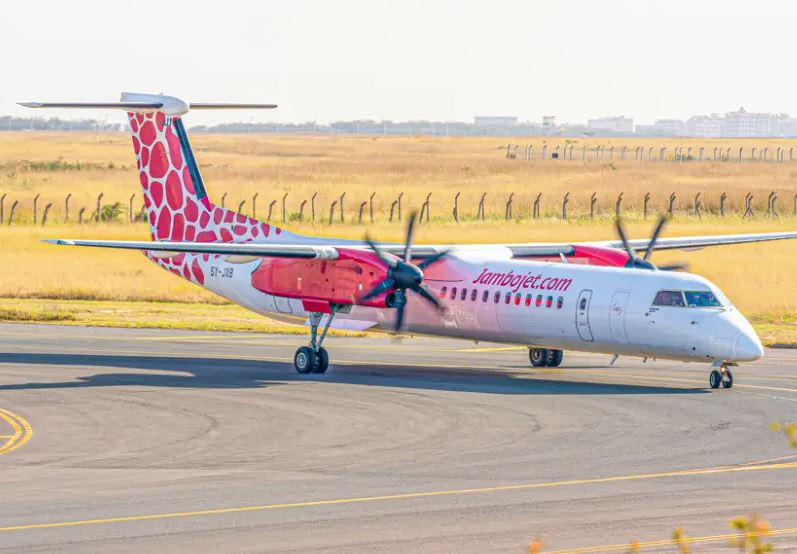
Jambojet has cut its fuel expenditure by 16 per cent in four years, highlighting how changes in routine airline operations can help businesses manage rising costs without necessarily investing in new aircraft.
The regional carrier has achieved the reduction by changing how its aircraft use fuel before, during and after flights. The approach combines pilot adjustments with closer analysis of flight data to determine how much fuel is needed for different journeys.
The savings come at a time when fuel remains a major expense for airlines, with consumption affecting ticket pricing, operating margins and the overall cost of maintaining flight schedules.
For Jambojet, which operates a network of domestic and regional routes, reducing fuel consumption across multiple daily flights can translate into considerable savings over time.
Managing Director and Chief Executive Officer Karanja Ndegwa said the airline had recorded the reduction through a series of operational improvements introduced over the past four years.
“Over the last four years, we have saved about 16 per cent of our fuel costs by having these initiatives in place,” Ndegwa said.
Rather than relying on one major intervention, the airline has focused on several smaller changes that collectively reduce the amount of fuel consumed during flight operations.
How the airline is reducing fuel consumption
One change involves how aircraft move after landing. Where conditions allow, pilots switch off one engine while taxiing instead of using both engines to move the aircraft towards its parking position.
Although aircraft spend relatively little time taxiing compared with flying, fuel is still consumed during this period. Reducing engine use on the ground helps eliminate some of that expenditure across repeated flights.
Jambojet has also adopted gradual descent approaches, which allow pilots to reduce engine power earlier when approaching their destinations.
The technique helps limit unnecessary fuel consumption during the descent phase while maintaining the required safety procedures.
However, one of the more important changes happens before an aircraft leaves the airport.
The airline uses flight data to estimate fuel requirements based on the conditions expected along a particular route. Its operations team examines previous consumption figures alongside variables such as aircraft speed, temperature and the difference between planned and actual fuel usage.
This allows the airline to make more informed decisions instead of relying solely on standard estimates.
Network Analyst Felix Ogutu said the information collected from individual flights helps the airline establish more accurate fuel requirements.
“With all these insights gathered, we monitor and track each and every flight, and we are able to average out the amount of fuel that is required within the aircraft, and then optimally plan better,” Ogutu explained.
The final amount of fuel loaded onto an aircraft remains subject to operational requirements and the captain’s judgment.
The business case for fuel efficiency
The reported 16 per cent reduction is significant because fuel savings affect more than an airline’s environmental performance. They also influence the cost of operating its network.
Every litre of fuel saved reduces expenditure that would otherwise form part of the cost of transporting passengers and maintaining flight schedules.
The environmental benefits are equally important. Lower fuel consumption means less carbon dioxide released into the atmosphere, allowing the airline to reduce emissions through existing operational practices.
For passengers, these changes may go unnoticed. They do not involve different aircraft interiors, new ticketing systems or visible additions to the flying experience.
Instead, the savings come from decisions made by pilots and operations teams during ordinary working days.
Jambojet’s experience shows that improving efficiency does not always require dramatic changes to an airline’s business model. Sometimes, the financial gains are found in how carefully an aircraft is operated, planned and monitored.













Leave a comment