

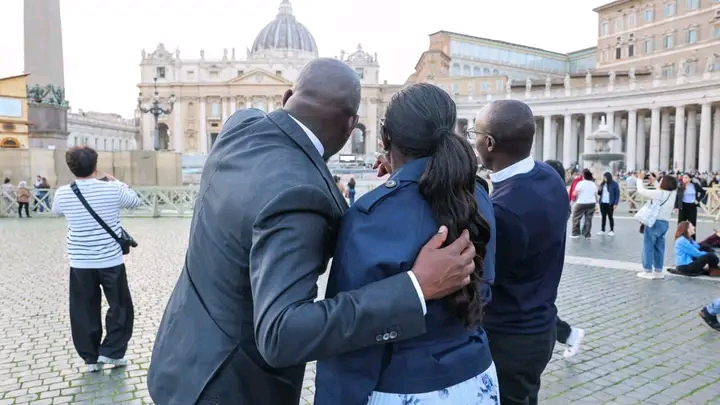
Interior Cabinet Secretary Kipchumba Murkomen travelled to Rome, Italy, on Monday, November 16, 2026, for official government engagements centred on security cooperation between Kenya and Italy.
Murkomen said he had arrived in Rome for meetings with Italian Interior Minister Matteo Piantedosi and security agencies, with the two countries expected to sign a bilateral security cooperation agreement.
The discussions covered international immigration security, terrorism, human trafficking, organised crime and intelligence sharing.
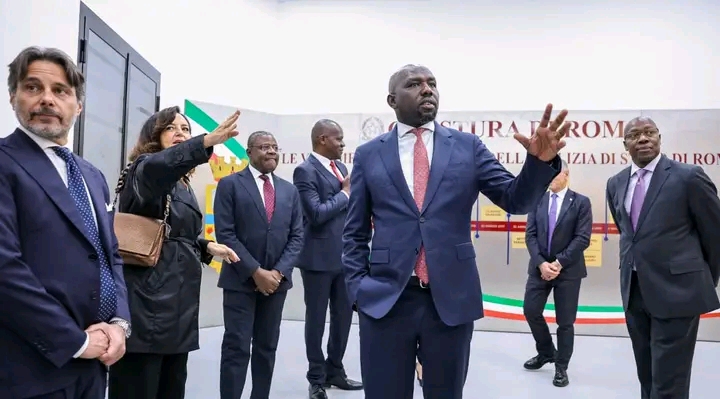
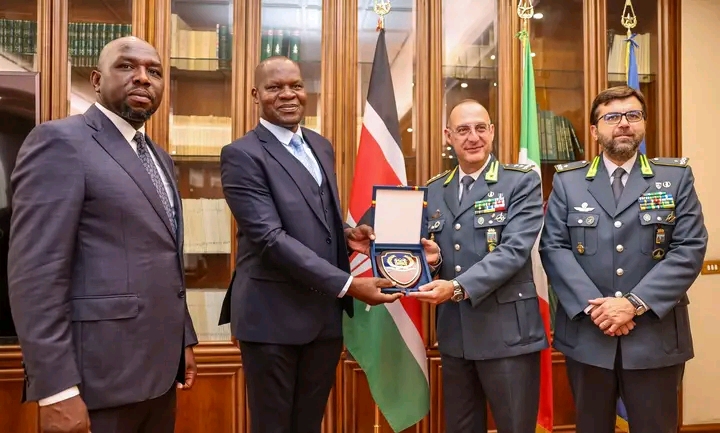
On November 17, Murkomen also held engagements with Italy’s Guardia di Finanza, the country’s financial police, exploring cooperation in tackling money laundering and financial crimes. He also toured the Questura di Roma police operations room to benchmark technology, intelligence and real-time surveillance.
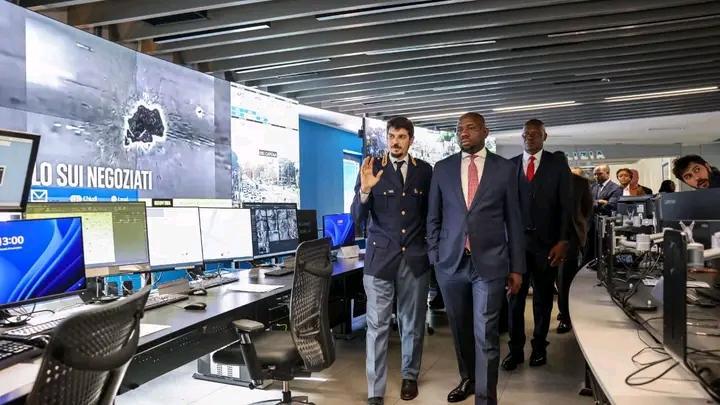
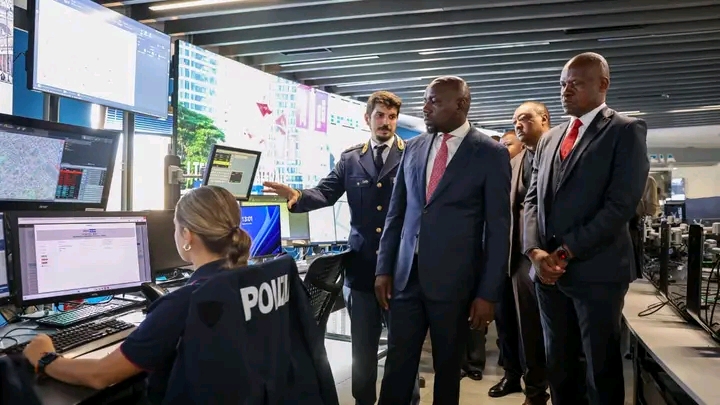
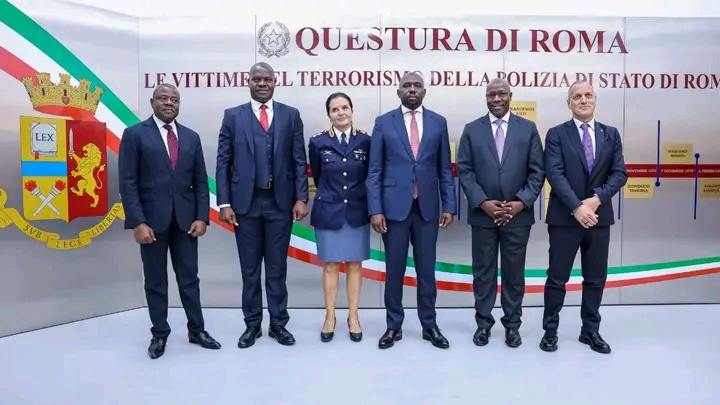
The Questura di Roma is the provincial police headquarters of Italy’s national civilian police force (Polizia di Stato) in Rome, commanded by a Questore who oversees public safety, crime prevention, and administrative policing across the province.
He was accompanied by Kenya’s Ambassador to Italy Fredrick Matwang’a, Deputy Inspector General of Administration Police Gilbert Masengeli, and other officials.
As the delegation concluded its official engagements, Murkomen and other Kenyan officials joined fellow Catholics at St Peter’s Basilica for Holy Mass presided over by Pope Leo XIV on Wednesday, November 18.
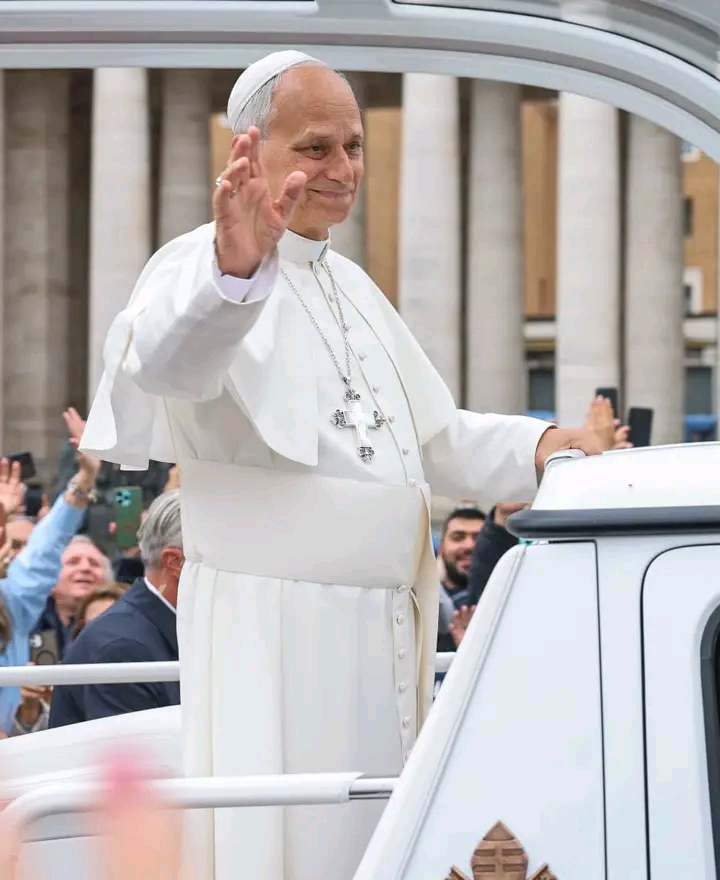
The occasion marked 400 years since the dedication of the iconic basilica, which was consecrated in 1626 under Pope Urban VIII. Its construction took more than 120 years, involving celebrated architects including Michelangelo and Carlo Maderno, one of the fathers of Baroque architecture in Rome.
Here is what those 400 years mean:
64 AD — Peter dies. Catholic tradition says St. Peter, chief among Jesus’ apostles, was crucified upside-down in Rome under Emperor Nero, in Nero’s Circus on Vatican Hill. He was buried in a small cemetery there.
324 AD — Constantine builds the first church. Emperor Constantine the Great, the first Christian emperor, built Old St. Peter’s Basilica over Peter’s tomb. It stood for 1,200 years.
18 April 1506 — The new Basilica begins. Pope Julius II decided to demolish the old, ageing church and build a monumental new one. He hired Donato Bramante. Later came Raphael, Antonio da Sangallo, Michelangelo — who designed the famous dome — Carlo Maderno who built the facade, and Gian Lorenzo Bernini who built the bronze canopy over the altar and the great elliptical piazza that embraces pilgrims.
It took 120 years to build. 1506 to 1626.
18 November 1626 — Dedication. Pope Urban VIII solemnly dedicated the present Basilica. That is the date Murkomen was celebrating: exactly 400 years later, on 18 November 2026, Pope Leo XIV offered Mass there again.
1950 — The tomb is found. Under the high altar, archaeologists found shrines from different centuries built over a small aedicula with bones wrapped in tissue with gold and purple. Pope Pius XII announced on 23 December 1950 that St. Peter’s tomb had been found.
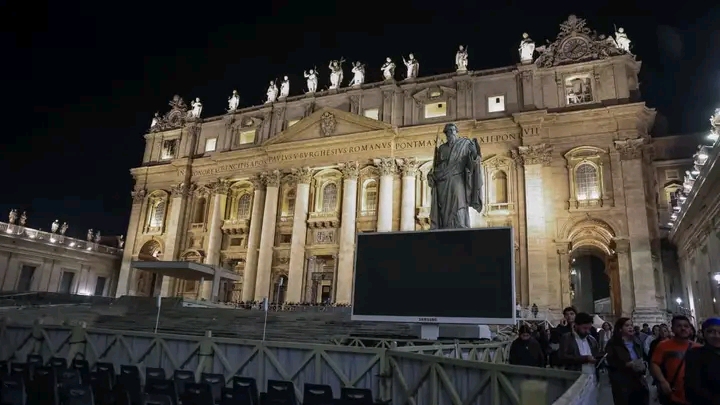
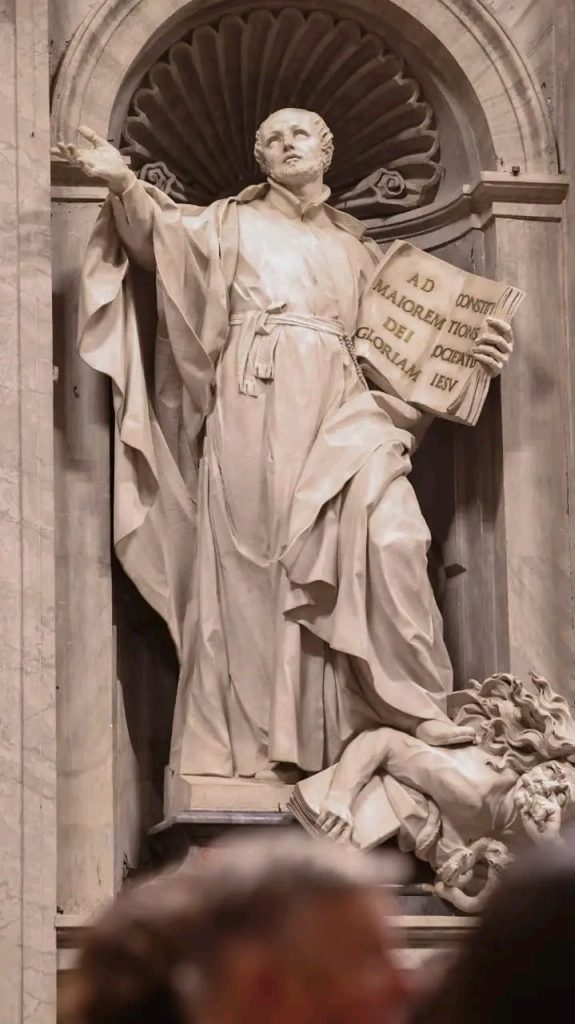
So the Basilica is built over a grave.
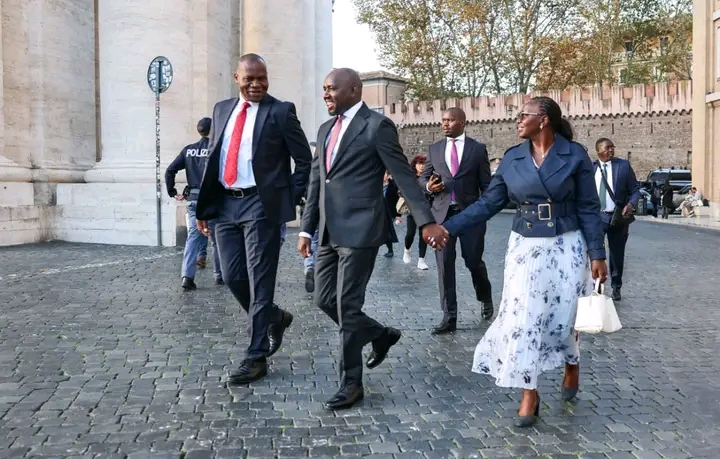
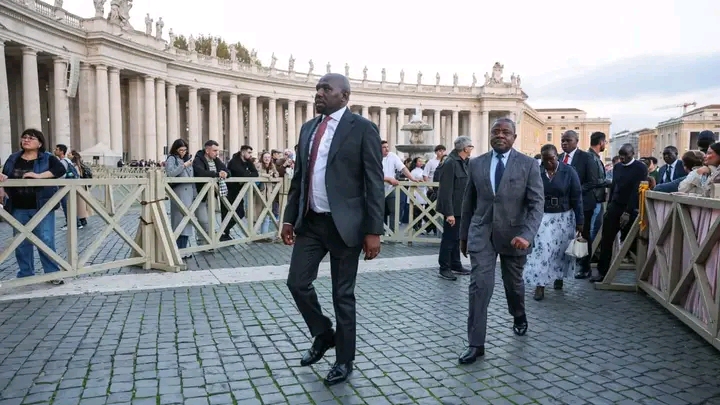
Murkomen went there after signing a security deal with Italy, took photos with his wife, and prayed.
This explains why he was missing in action during President William Ruto’s Fourth State of the Nation Address.
National Assembly Speaker Moses Wetang’ula acknowledged him despite his absence.









Leave a comment