

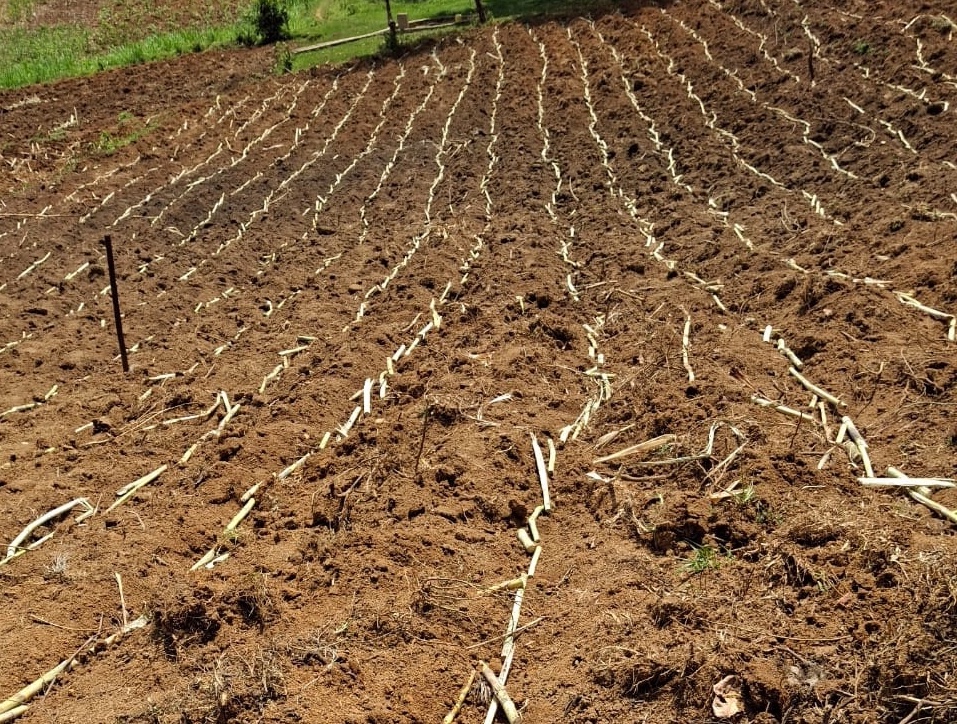
President William Ruto’s sugar sector revival agenda has become a test of his political standing in Western Kenya and several other parts of the country. As the 2027 General Election approaches, the sugar industry is once again at the centre of competing promises, accusations and efforts to win voters.
Ruto’s latest pitch was clearly evident at the Agriculture and Food Systems Transformation Summit in Nairobi on 8th October. He said sugar production had risen to about 850,000 tonnes and promised to raise it to one million tonnes in 2027. He also announced another Ksh1.2 billion in farmer bonuses and threatened action over the dispute paralysing the Kenya Sugar Board.
The significance of these announcements is political as much as economic. The president is seeking to present the revival of sugar factories as proof that his government is delivering on promises made to the people of Western Kenya. His allies have already been urging the region to support his re-election, pointing to the factories alongside roads and other development projects.
Sugar was part of the political bargaining that helped shape the 2022 election. Ruto’s alliance with Musalia Mudavadi and Moses Wetang’ula came with promises to revive struggling industries, including Mumias and Nzoia sugar factories. After the election, the government’s progress on those pledges became part of the debate over whether Western Kenya was getting a fair return for its political investment.
See >> Abducted Twice, Alex Kiprotich is No Ordinary Newspaper Editor
The industry also became a battleground between rival leaders during the campaign. In 2022, Raila Odinga promised to revive Mumias, Nzoia and Sony sugar companies if elected president. Wetang’ula challenged those promises, blaming Raila and his allies for the sector’s problems.
That contest has now taken a new form. In August, Nairobi Senator Edwin Sifuna and leaders of the Linda Mwananchi movement toured the sugar belt, accusing Ruto’s administration of failing farmers and allowing sugar cartels to thrive. Sifuna promised to return Mumias Sugar Company to public ownership if elected president. His remarks turned the factory’s future into a direct challenge to the government’s record.
The opposition is also trying to build a broader regional alliance ahead of the election. Sifuna, Siaya Governor James Orengo and former Interior Cabinet Secretary Fred Matiang’i have been associated with efforts to unite communities across Western Kenya and neighbouring areas. Sugar gives this political push a concrete grievance around which to mobilise voters, although the region’s political choices will depend on more than one industry.
Ruto’s allies are countering that message by pointing to factory leases, improved payments and farmer bonuses as evidence of progress, although the claims remain contested. A Senate inquiry has highlighted continuing complaints about cane prices, production costs, delayed payments and farmers’ bargaining power.
The gap between the government’s account of recovery and the problems reported by farmers gives the opposition room to question whether the benefits are reaching those who grow the cane. Farmers themselves have made the political stakes explicit. In July, farmer organisations threatened protests over delays in electing Kenya Sugar Board directors and warned they could withdraw support from Ruto in 2027.
The dispute has also raised questions about the control and use of funds collected through the Sugar Development Levy. Farmers are demanding a say in decisions that affect their livelihoods, not simply promises from politicians seeking their votes.
For Ruto, the challenge is to turn reforms and production targets into benefits that farmers can see and trust. For the opposition, the task is to show that its criticism can be matched by a workable alternative, rather than another round of campaign pledges. Neither side can settle the argument through rallies or accusations alone.
Sugar has featured in Western Kenya’s politics because its fortunes are closely tied to jobs, household incomes and the survival of local economies. As the 2027 campaign gathers pace, the industry is again becoming a measure by which politicians will be judged. The central question is no longer who promises to rescue the sugar sector, but who can persuade farmers that this time the promises will be kept.
Sugar is no longer confined to the political contest in Western Kenya. Ruto’s political nemesis Rigathi Gachagua, the former deputy president, has invoked the struggles of sugarcane farmers in his wider attack on Ruto’s agricultural record. Parliament has also debated the future of the industry, from factory management to sugar imports.
The dispute now concerns not only who wins support in the cane-growing counties, but also how the country protects farmers, regulates imports and manages an industry that has long depended on government intervention.











Leave a comment