

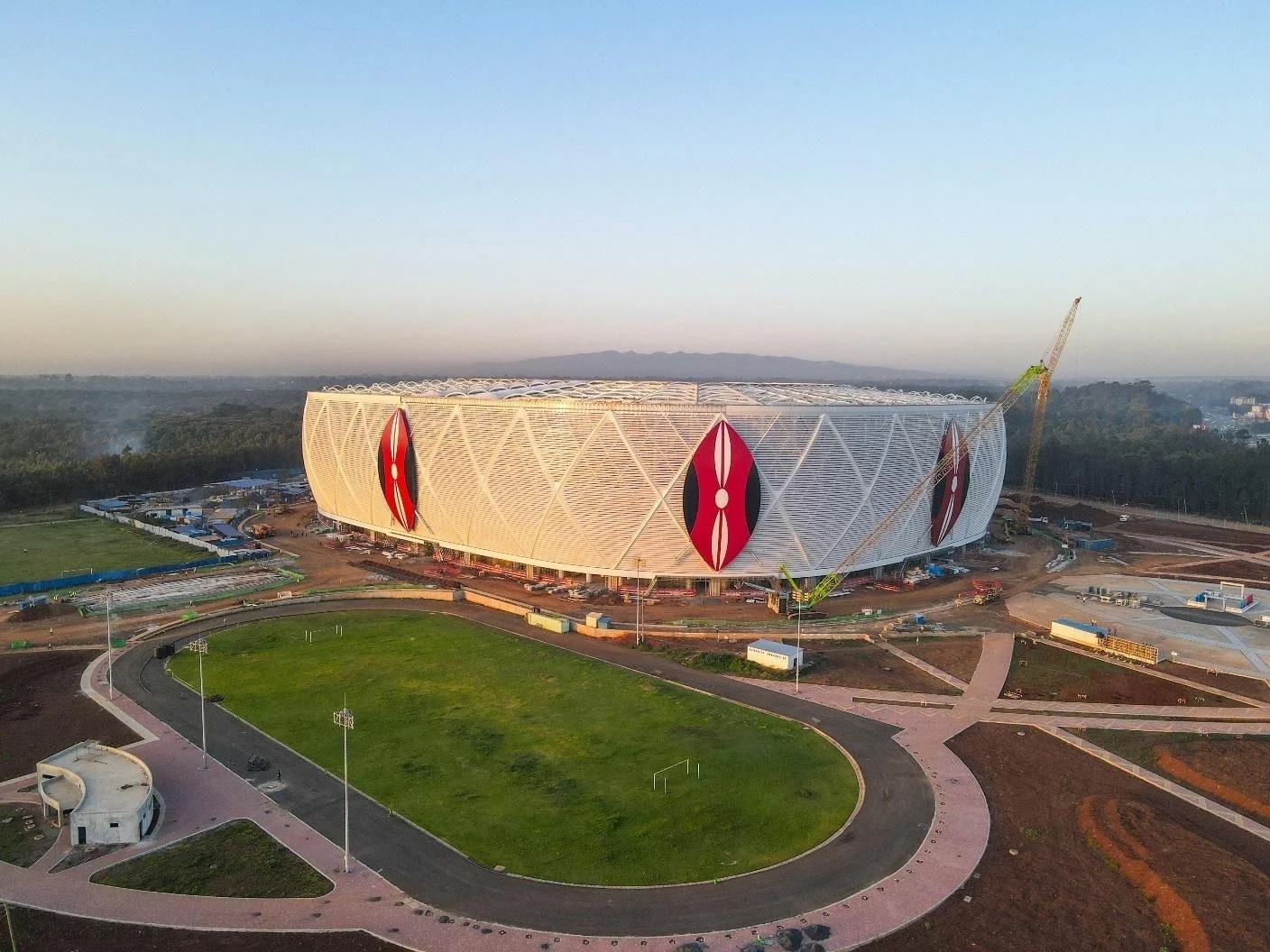
CAF president Patrice Motsepe backed Kenya, Tanzania and Uganda’s ability to host AFCON 2027 on 17 September 2026, despite preparation challenges. Reuters reported that he dismissed suggestions of moving the tournament elsewhere. For Kenyan businesses, the reassurance gives preparations a reason to continue, while leaving a harder question: which services can be ready when supporters arrive?
The tournament will draw customers with different needs. Traveling supporters need rooms and transport; broadcasters need working space and connectivity; residents want places to watch. Their spending follows different schedules, so businesses need to know which audience they intend to serve.
For a hotel, restaurant, transport operator or digital publisher, the task is to turn interest in the tournament into a service people will pay for. That requires a fixture calendar, workable prices and enough staff to fulfil bookings.
Stadium Capacity Is Only the First Number
Kenya’s stadium program gives the commercial discussion a physical scale. In its 22 July report, Reuters cited a May government update describing work on the 60,000-seat Talanta Sports City and renovations at Moi International Sports Center as on track. That was an update on preparations, not confirmation of completed facilities.
Seat capacity alone makes a poor sales forecast. A full stand can contain residents, overnight visitors, accredited guests, and supporters traveling home immediately. Each group leaves a different spending pattern outside the gates.
A restaurant should estimate how many customers it can serve between the final whistle and its closing time. A shuttle operator needs the permitted pickup location, vehicle turnaround time and a plan for congestion. An estimate built around service capacity gives owners a firmer basis for hiring staff and ordering stock.
Which Fixtures Will Fill the Rooms?
CAF lists the tournament for 19 June-17 July 2027. That gives businesses a planning window, rather than a city-by-city demand forecast.
Consider a supporter booking two group matches. The value of a hotel package depends on whether both fixtures are nearby, how much time separates them, and whether the next journey involves a border crossing. A discounted room loses its appeal if the transfer costs more than the saving.
Hotels can prepare three products before committing to large blocks of inventory: a room-only rate, a transfer-inclusive rate and a flexible package tied to confirmed fixtures. Each needs an explicit cancellation deadline. Quoting transport separately also lets guests compare the offer without guessing what the advertised price covers.
Team News Gives Sports Betting Coverage Its Value
Fixtures, team news and venue details also feed the sports betting audience. A confirmed starting goalkeeper or a change of ground can alter how someone assesses a match. Accurate updates give football publishers material that remains useful after the headline has left the home page.
A match preview should separate team reputation from the probability implied by its price. Illustrative decimal odds of 2.50 imply 40% (1 ÷ 2.50), before adjusting for the bookmaker’s margin; this is a price-derived figure, not a measured chance of winning. Readers researching betting in Ethiopia can use that calculation to test whether the available price matches their assessment of a team. The analysis becomes stronger when it names the venue, identifies unavailable players and distinguishes recent competitive results from friendlies.
For a publisher, the opportunity is a repeatable editorial service: dated previews, verified line-ups and clearly marked updates. A reader returning for a corrected kickoff time has a concrete reason to keep using the publication.
Three Hosts Make the Travel Details Part of the Product
Joint hosting creates scope for multi-country itineraries. It also gives travel businesses more handovers to manage: airport to hotel, hotel to stadium, and one national transport network to another.
An itinerary should identify which company handles each leg and who answers the phone if a connection fails. Quoted journey times need to leave room for border formalities and matchday traffic. Any entry requirements should be checked against official guidance for the traveler’s nationality before a package is sold.
Small operators can compete on that precision. A clearly priced transfer with a named meeting point is easier to evaluate than a broad promise of an unforgettable football experience. A booking confirmation should state the luggage allowance, departure time and conditions for rescheduling.
On a Second Screen, Seconds Matter
Digital services face a different timing problem. A supporter watching a delayed stream may see an incident after a live score feed has already registered it. A preview page, scoreboard and betting interface can therefore display information from different moments of the same match.
Market labels deserve equal attention. A 90-minute match-result market and a to-qualify market answer different questions in a knockout tie. Before placing a bet, a reader should establish whether settlement covers 90 minutes plus stoppage time, or qualification after extra time and penalties where applicable. A timestamp beside the quoted odds makes any published comparison easier to interpret.
Publishers should build that distinction into their match coverage. Clear labels and visible update times help readers understand exactly what a prediction concerns, without turning every preview into a glossary.
Check Payment Terms Before Taking a Supply Contract
Suppliers need a written specification before pricing tournament work. Catering, cleaning, temporary equipment and transport each require different staffing, stock and payment arrangements.
Before accepting work, establish:
- The contracting entity and the person authorized to approve delivery.
- The service dates, access arrangements and quantities required.
- The deposit, invoicing schedule and deadline for payment.
- The procedure for fixture changes or canceled work.
A supplier paying staff and buying stock before receiving its first payment needs to calculate that funding gap. The contract should identify who signs the delivery record, because that signature may determine when the invoice becomes payable.















Leave a comment