

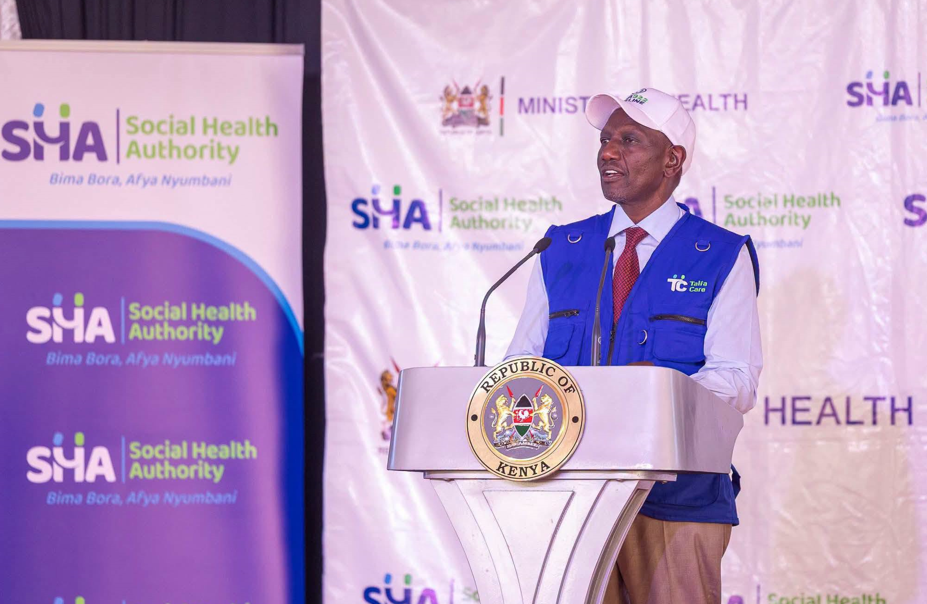
Nearly two years after the Social Health Authority (SHA) replaced the National Hospital Insurance Fund (NHIF), the government says the new health financing system has significantly expanded health insurance coverage and access to medical services.
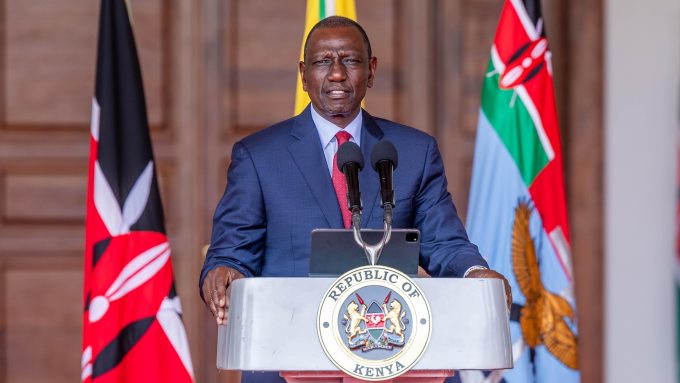
However, as President William Ruto marks four years in office, challenges including system downtime, delays in claims processing and patients being required to pay for services out of pocket continue to raise questions over whether the transition has made healthcare easier for Kenyans.
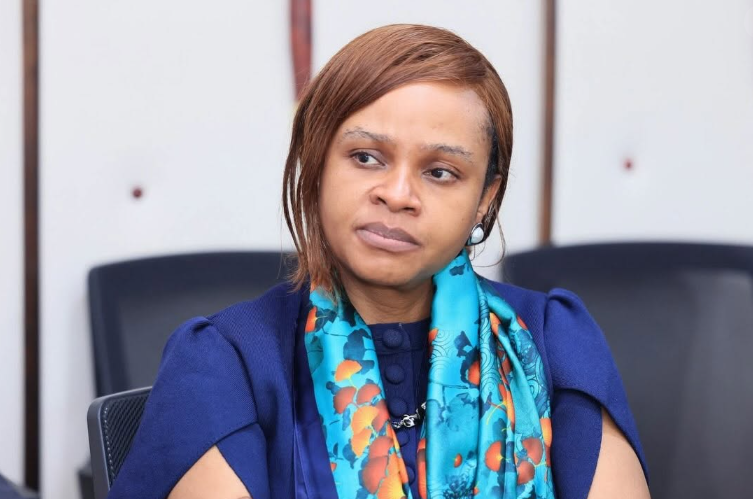
SHA Chief Executive Officer Mercy Mwangangi said 32.3 million Kenyans had registered with the authority as of August 18, 2026.
Mwangangi said the figure was nearly twice the highest registration recorded under the former NHIF, which stood at 16.9 million.
She spoke during the National Health Summit, where she outlined the progress made by SHA since its establishment two years ago.
The number of health facilities accessible to SHA members has also increased from 8,667 during the NHIF period to 10,713.
Of the facilities currently accessible to SHA members, 5,959 are government facilities, 4,534 are private facilities and 541 are run by faith-based organisations.
Mwangangi said SHA had facilitated 501,839 surgeries in its first two years, compared with 227,741 surgeries during a comparable two-year period under NHIF.
The authority has also reported an increase in access to specialised care.
In renal care, the number of beneficiaries increased from 8,831 under NHIF to 20,952 under SHA, while about 50,000 cancer patients have received cover under the new system, compared with 29,473 under NHIF.
Critical care coverage has also expanded. Mwangangi said NHIF did not cover intensive care unit (ICU) services, while SHA has paid for ICU care for 28,031 beneficiaries.
On primary healthcare, 9.3 million Kenyans have benefited from services under SHA, representing an increase of about 27 per cent compared with the NHIF period.
For maternity services, SHA has paid for deliveries involving 1.3 million mothers, with Sh17 billion spent on the services.
Overall, Mwangangi said SHA had paid Sh178.5 billion across its various funds.
The figures indicate a substantial expansion in both the number of Kenyans registered under the national health insurance system and the range of services being financed.
Registration surges under SHA
The growth in registration is among the most significant changes since NHIF was replaced.
By June 2026, Treasury Cabinet Secretary John Mbadi had reported that 31.22 million Kenyans had registered under SHA, compared with about eight million people registered under the defunct NHIF at the time cited by Treasury.
By August, the number had risen to 32.3 million, according to Mwangangi.
Despite the growth, the transition has faced technical difficulties.
In January 2025, patients protested over problems with the SHA system after a technical failure at Kenyatta National Hospital disrupted some services for more than 48 hours.
Kenyatta National Hospital acknowledged that the downtime caused delays in patient clearance and administrative processes before normal operations resumed.
A subsequent statement by the hospital’s chief executive directed the facility to ensure that patients, particularly those undergoing dialysis and cancer treatment, continued receiving care during future system interruptions.
NHIF debts remain unresolved
The transition to SHA has also left the government dealing with financial obligations inherited from NHIF.
In July, the government released Sh4 billion as the first step towards settling verified outstanding NHIF claims of Sh10 million and below owed to healthcare facilities.
SHA said the payment programme would benefit 3,527 healthcare facilities.
The authority also said it was seeking support from the National Treasury in the 2026/27 financial year to settle verified outstanding claims exceeding Sh10 million involving 451 healthcare facilities.
Health Cabinet Secretary Aden Duale said in April that SHA had achieved a 74 per cent settlement rate in claims processing, with payments expected within a 90-day timeline across all levels of care.
Duale also confirmed the Sh4 billion allocation to begin settling verified claims inherited from NHIF.
The claims challenge has been compounded by concerns over fraud and improper billing.
In June 2025, Duale said 31 private hospitals had been shut down over alleged fraudulent activities targeting the SHA Fund.

The alleged practices included falsifying patient data, submitting double claims and billing patients and SHA for the same services.
The government’s continued payment of NHIF debts underscores the financial obligations that remained after the former insurer was replaced.
The Sh4 billion released in July was specifically intended to settle verified NHIF claims of Sh10 million and below, while claims exceeding that amount involving 451 healthcare facilities remained subject to budgetary support, according to SHA.
Ruto orders SHA cover for community health promoters
As part of efforts to strengthen primary healthcare, President Ruto on July 25 announced a comprehensive health insurance plan that will see all Community Health Promoters (CHPs) covered under SHA.
Speaking when he hosted a section of Nairobi County’s community health promoters, Ruto said the national government had allocated Sh390 million to immediately begin onboarding the primary healthcare workers onto the state insurance scheme.
The move is part of the Kenya Kwanza administration’s strategy to strengthen grassroots healthcare infrastructure while ensuring that workers responsible for promoting community health are themselves medically protected.
“I announce that the Government of Kenya, working with our counties, will make sure that every community health promoter has SHA as coverage,” President Ruto stated.
Directing his remarks to Health Cabinet Secretary Aden Duale, who attended the meeting alongside other senior government officials, Ruto said the government was prepared to finance the transition.
“I would like to tell CS Aden Duale that we are ready to pay community health promoters more than Sh390 million. I would like to ask for that money to be taken to SHA,” Ruto added.
The expansion of SHA registration, healthcare facilities and coverage for specialised services marks a major shift from the NHIF era.
However, persistent system interruptions, claims processing challenges, inherited NHIF debts and reports of patients being asked to pay out of pocket remain among the issues testing the new system.
With SHA now covering 32.3 million registered Kenyans and the government continuing to expand the range of services financed through the authority, the effectiveness of the new model will increasingly be measured not only by registration numbers but also by how reliably Kenyans can access and receive care when they need it.
Read: Dividend Payouts: How Listed Firms Are Rewarding Shareholders
>>> Ruto @ 4: How Govt Reshaped Kenya’s Education System Under CBC Reforms










Leave a comment