

Kenya has spent billions of shillings keeping foreign loans available even when the projects meant to use the money were not ready, raising fresh questions about how the government plans and approves borrowing.
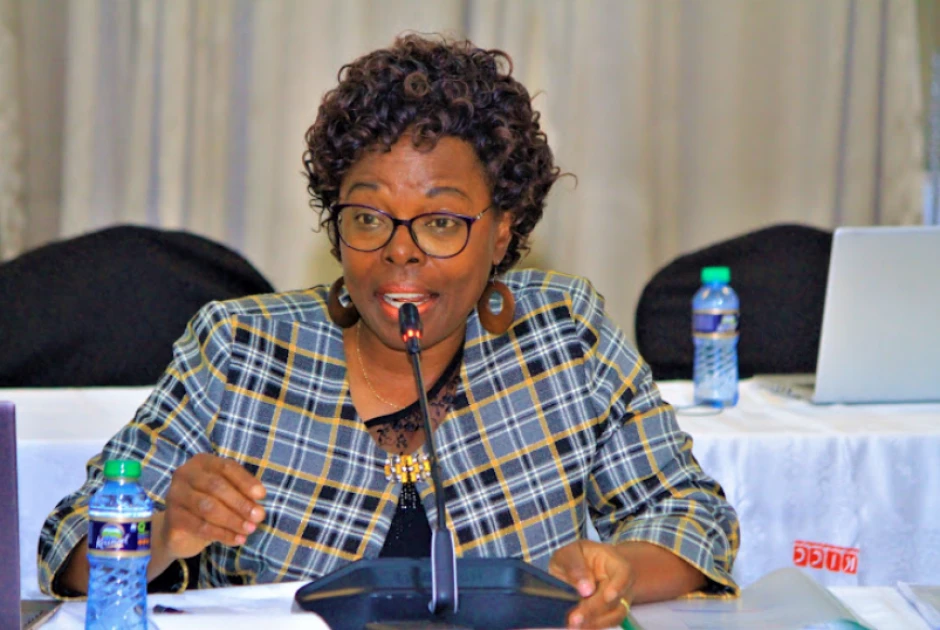
Controller of Budget (CoB) Margaret Nyakang’o told the National Assembly Public Debt and Privatisation Committee on Tuesday, August 18, 2026, that the government paid Ksh 20.066 billion in commitment fees between the 2015/16 and 2025/26 financial years.
The fees were charged on loan facilities that Kenya had secured but had not fully drawn down. On average, the government spent about Ksh1.8 billion every year on these charges.
A commitment fee is paid to a lender for keeping an agreed amount of money available to a borrower. It means the government can incur a cost even before it starts using the loan.
Nyakang’o said the problem points to weaknesses in project preparation, borrowing decisions and coordination between the National Treasury and government agencies.
“I have seen entities trying to hawk loans to us,” she told MPs.
She warned that some loans could be pushed to government agencies before officials have properly established whether the projects are ready or whether borrowing is the best option.
“I am very sure that at some point this has happened in the past where they literally push the money to you,” she said.
The Controller of Budget said the Treasury should explain the process used to decide when the government should borrow and who is involved before loan agreements are signed.
“The best entity to explain this is the National Treasury,” Nyakang’o said, adding that Parliament still needed a clearer picture of the decision-making and governance structure.
Projects not ready when loans are signed
The concerns are not new. Parliament has raised similar questions over the years as the government continues to pay fees on money that remains unused.
In June 2025, the Public Debt and Privatisation Committee warned that loans were sometimes being signed before implementing agencies were ready to use them. Nyakang’o told the committee at the time that poor alignment between borrowing and project readiness was leading to commitment fees and, in some cases, loan interest payments.
Parliament has previously recommended stronger checks before new external loans are signed, including confirming that projects have reached a stage where funds can be disbursed and used.
The problem can arise from several sources, including delays in procurement, failure to meet conditions set by lenders, delays in hiring consultants and failure to meet performance targets.
Kenya’s Budget Options report has also warned about the growing stock of contracted but undisbursed loans. By June 2024, the country had Ksh1.38 trillion in such loans and had paid about Ksh1.583 billion in commitment fees that year. Between June 2016 and June 2024, cumulative commitment fees had reached Ksh18.9 billion.
More money remains undrawn
The latest figures presented to MPs show the scale of the problem remains large. Kenya received Ksh 764.8 billion from external loans during the 2025/26 financial year, while about Ksh 1.277 trillion remained undisbursed.
This means the government has access to large amounts of borrowed money but is not drawing it quickly enough to match the projects for which the loans were secured.
The cost is not limited to commitment fees. When projects are delayed, Kenyans may also have to wait longer for roads, water systems, energy projects and other investments that the loans were supposed to finance.
Parliament has previously recommended reviewing old undisbursed loans and cancelling facilities that are unlikely to be used, instead of continuing to pay fees for them.
Nyakang’o has called for tighter project-readiness checks and better monitoring of loan facilities. The government could also review loans that have remained unused for long periods and decide whether they should be restructured or cancelled.
For taxpayers, the issue is simple: borrowing money already comes with a cost. Paying additional fees for money that sits unused makes that borrowing even more expensive. Kenya therefore faces pressure to ensure that loans are negotiated only when projects are properly prepared, and the money can be put to work without unnecessary delays.
The National Treasury remains responsible for explaining how borrowing decisions are made and how government agencies are involved before loan agreements are signed.

![A Co-operative Bank branch in Kenya. [Photo/ Taalamu]](https://businesstoday.co.ke/wp-content/uploads/2025/09/Co-op-Bank-150x150.webp)








Leave a comment