

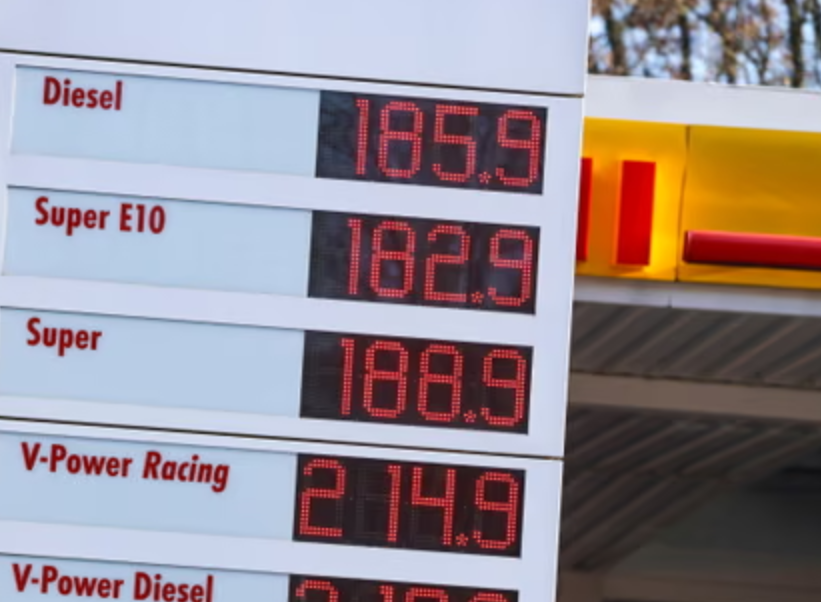
Kenya could soon have a digital system showing how much fuel is available in the country at any given time, after the Senate raised concerns over gaps in petroleum stock monitoring and emergency fuel procurement.
The Senate Standing Committee on Energy has directed the Ministry of Energy and Petroleum to develop and operationalise a platform that will provide real-time information on petroleum stocks, imports and allocations.
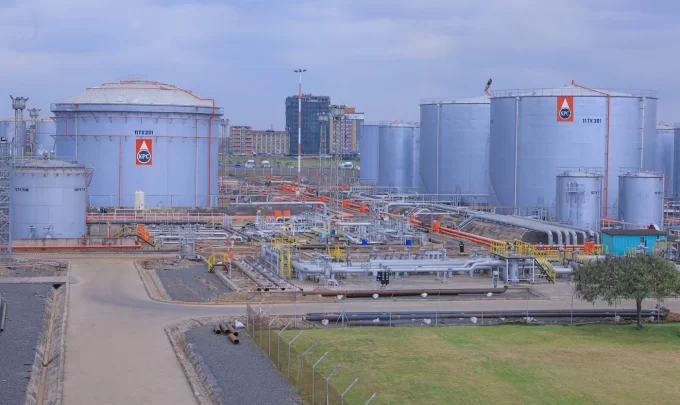
The ministry has been given six months to report back to the Senate on the progress. The system is expected to bring together data from key agencies, including the Kenya Pipeline Company (KPC), the Energy and Petroleum Regulatory Authority (EPRA) and the Kenya Bureau of Standards (KEBS).
Under the proposed system, oversight bodies would also be able to access information at oil marketing company level. This would allow authorities to see how much fuel individual companies have in stock, what they have imported and how the available supplies have been allocated.
The committee has also called for daily petroleum stock reports to be standardised and released consistently, including on weekends and public holidays.
The push for better monitoring comes after Kenya faced uncertainty over fuel supplies in March 2026 following disruptions to marine traffic linked to the conflict around the Strait of Hormuz. The government turned to emergency procurement as it sought to protect the country from possible shortages.
The Senate inquiry into the procurement has since raised questions about how some of the emergency purchases were handled.
The committee found that the emergency procurement was undertaken outside the existing Government-to-Government framework and that there was no documented derogation mechanism or pre-approved procedure for handling such an emergency.
The concerns were not limited to paperwork. The committee also raised issues around competition, transparency, documentation and accountability in the process.
One company that appeared before the committee, Oryx Energies Kenya, said it had received a request from the government in March to supply additional petrol during the market disruption. Parliament records show the company later told senators that its offer was cancelled after fuel shipments had already begun moving.
The Senate committee now wants the Ministry of Energy to create a clear statutory framework for emergency petroleum procurement within six months.
The framework will have to spell out what qualifies as a fuel supply emergency and identify the government agencies responsible for responding to one. It will also set out approval procedures, circumstances in which regulatory waivers may be granted and the information that must be made public.
The committee further wants emergency purchases to be subject to audits and reviews once the crisis has passed.
The recommendations come as Kenya continues to rely heavily on imported petroleum products. During the March disruption, the government reported that the country had 138,623 metric tonnes of petrol, equivalent to about 16 days of cover, 207,841 metric tonnes of diesel, representing 19 days of cover, and 150,398 metric tonnes of jet fuel, equivalent to 49 days of cover as of March 30.
The Senate also wants agencies involved in the petroleum sector to work more closely, particularly when responding to sudden disruptions.
The proposed digital tracking system is therefore intended to give the government a clearer picture of the country’s fuel position before shortages become a crisis. It would also make it easier to identify gaps between imports, stocks and distribution.
For motorists and businesses, better information could help reduce the uncertainty that often comes with reports of fuel shortages. For government, the system would provide a stronger basis for deciding when to release supplies, seek additional imports or activate emergency measures.
The committee’s recommendations also seek to ensure that emergency action does not become a reason to bypass transparency and accountability.
The Senate now expects the Ministry of Energy and the agencies involved in the petroleum supply chain to turn the recommendations into working systems within the six-month deadline.












Leave a comment