

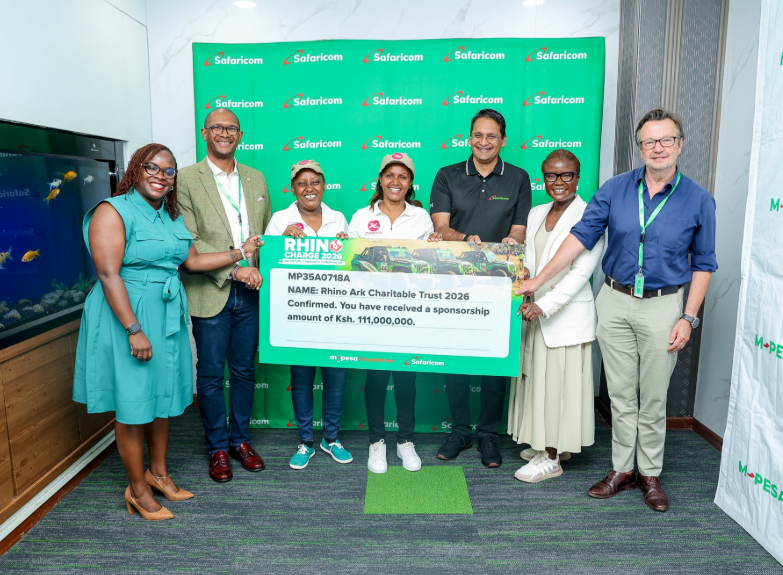
Safaricom, together with the M-PESA Foundation, has pledged Ksh 114 million to support conservation work and the 2026 edition of the Rhino Charge, in a move that underscores the growing reliance on private sector funding to protect Kenya’s fragile forest ecosystems.
The announcement comes as conservationists continue to warn that Kenya’s key water towers are under sustained pressure from human activity and climate stress.
Forests such as Mau, Mount Kenya and Mount Elgon have for years faced degradation linked to illegal logging, land encroachment, charcoal burning and expanding settlement, creating an urgent need for restoration financing beyond public budgets.
The 37th Rhino Charge is scheduled for May 30 in Samburu County and will once again bring together teams navigating some of the toughest terrain in the country. While the event is widely known for its extreme off-road competition, it has increasingly evolved into a major conservation fundraising platform that channels millions into forest protection projects.
Out of the Sh114 million total commitment, the M-PESA Foundation has allocated Sh94 million to the Rhino Ark Kenya Charitable Trust to fund ecological restoration and protection programmes across several critical landscapes.
These include electric fencing and conservation work in the Mount Elgon Forest Suam Block, rehabilitation efforts in the Mau Forest Complex across Narok, Kericho and Bomet counties, and restoration initiatives in the Mount Kenya forest ecosystem in Tharaka Nithi County.
Rhino Ark has for years implemented electric fencing projects around forest boundaries to reduce human-wildlife conflict and prevent encroachment. The organisation reports that more than 650 kilometres of electric fencing have already been completed, helping safeguard forest ecosystems while supporting over 80,000 households living along forest edges.
Safaricom will separately contribute Sh20 million to support the operational side of the event. The funding will go towards logistics, sponsorship of three competing vehicles and the installation of communication infrastructure in remote sections of the course.
A key part of the support will also ensure improved connectivity, including 5G coverage in areas where network access is usually limited or unavailable due to rugged terrain.
Safaricom CEO Peter Ndegwa said the company’s involvement reflects its wider sustainability agenda and long-term commitment to environmental protection.
The Rhino Charge continues to attract growing corporate interest as environmental financing becomes increasingly dependent on partnerships between private companies and conservation organisations. The event blends motorsport, fundraising and environmental advocacy in a format that has proven effective in mobilising resources for forest conservation.
This year’s edition will also highlight the rising interest in electric mobility, with the EV Explorers team among the beneficiaries of sponsorship support. The team is the only fully electric entry in the competition and is aiming to demonstrate that electric vehicles can withstand extreme off-road conditions.
Team lead Richard Kiplagat said the support will boost their performance and visibility in the challenging race.
Last year’s Rhino Charge raised Ksh 269.5 million, reinforcing its position as one of Kenya’s most effective conservation fundraising platforms. Funds raised are directed toward protecting water catchment areas that support millions of people across the country.
As pressure on natural resources continues to rise, conservation stakeholders say initiatives like the Rhino Charge are becoming increasingly important in bridging funding gaps and sustaining long-term environmental protection efforts.







Leave a comment