

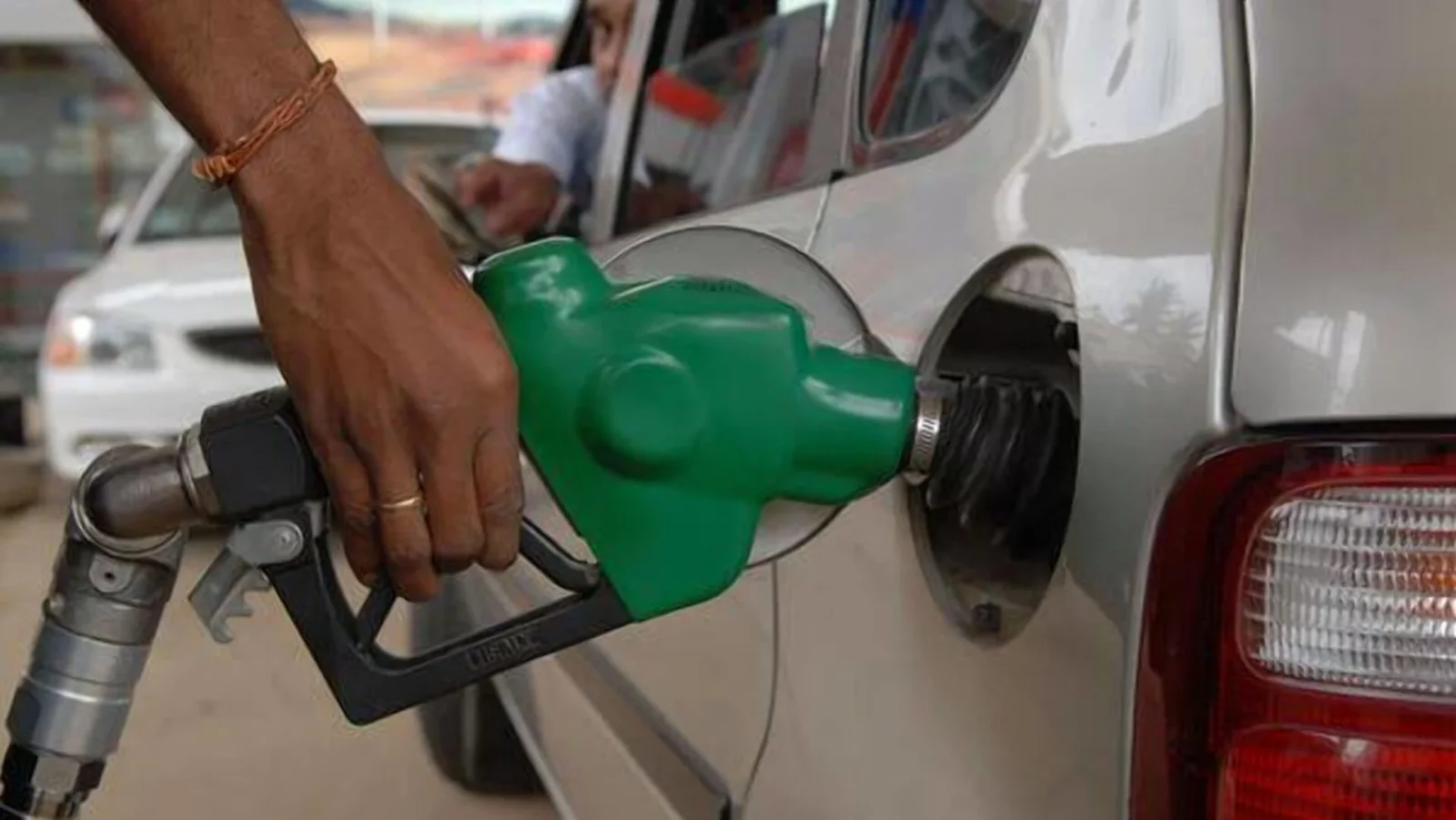
Motorists and households in Kenya are set to dig deeper into their pockets after the Energy and Petroleum Regulatory Authority (EPRA) announced a significant increase in fuel prices for the latest monthly review cycle.
In a statement issued in line with Section 101(y) of the Petroleum Act 2019 and Legal Notice No.192 of 2022, EPRA confirmed that the new maximum retail prices will take effect from April 15, 2026, to May 14, 2026.
“In the period under review, the maximum allowed petroleum pump prices for Super Petrol and Diesel increase by KShs.28.69/litre and Kshs.40.30/litre respectively while the price of Kerosene remain unchanged,” the authority stated.
Following the review, consumers in Nairobi will now pay KSh 206.97 per litre for Super Petrol, KSh 206.84 for Diesel, and Ksh 152.78 for Kerosene. The new prices take effect at midnight and will remain in place for the next 30 days.
EPRA noted that the listed prices are inclusive of the Value Added Tax (VAT), in line with the VAT Act, 2013, as read together with Legal Notice No.69 dated April 14, 2026, the Finance Act, 2023, and the Tax Laws (Amendment) Act 2024. The prices also factor in revised excise duty rates adjusted for inflation under Legal Notice No. 194 of 2020.
In a move aimed at easing the burden on consumers, the government has reduced VAT on petroleum products.
“Effectively, the Value Added Tax rate on Super Petrol, Diesel and Kerosene has been reduced from 16% to 13% in order to cushion consumers from the high landed cost of petroleum products as a result of the escalated prices in the international market,” EPRA explained.
Despite the tax relief, global market pressures continue to push prices upward. To further shield consumers, the government will tap into the Petroleum Development Levy.
“The Government will further cushion the consumers through the Petroleum Development Levy (PDL) Fund by utilising approximately Ksh 6.2 billion to stabilise the pump prices,” the statement added.
The latest adjustments come amid rising international fuel costs, reflecting ongoing volatility in global oil markets. For many Kenyans, the increase in petrol and diesel prices is expected to have a ripple effect on transport, food prices, and the overall cost of living in the coming weeks.













Leave a comment