

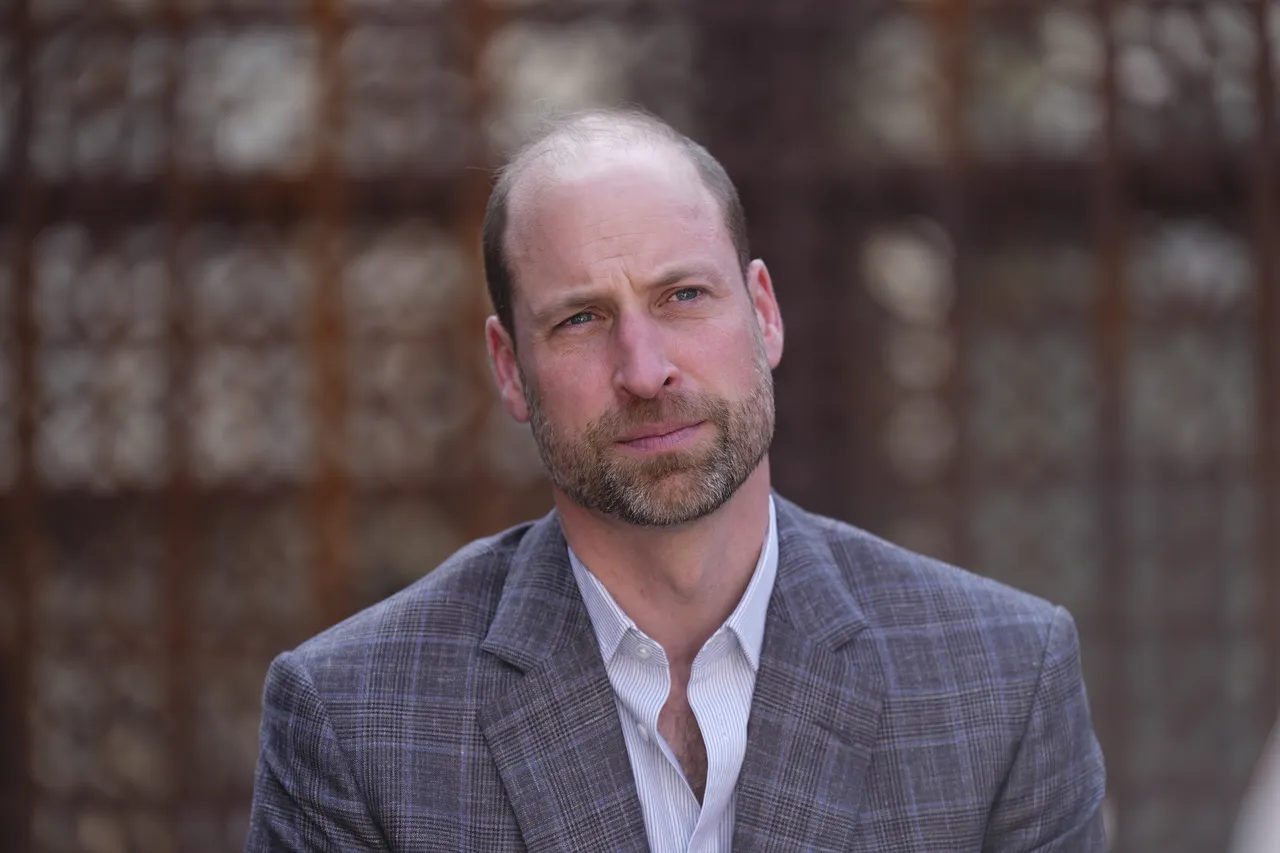
In a rare and unusually personal broadcast, Prince William said he became aware that his mental health was “deteriorating” only after taking time to reflect on his emotional responses, underscoring what he described as the need for greater self-understanding amid what he has called a broader crisis in Britain.
Speaking on a special episode of BBC Radio 1’s “Life Hacks” program with host Greg James, the Prince of Wales discussed the gradual process of recognizing strain and confronting trauma. The conversation marks one of his most direct acknowledgments to date of his own psychological challenges.
“I take a long time trying to understand my emotions and why I feel like I do,” William said, urging listeners to “learn to love yourself and understand yourself.” He suggested that failing to examine those feelings can allow stress to compound over time, adding that his awareness came only after sustained introspection.
The remarks reflect a continuation of the royal’s long-running advocacy on mental health, an issue he has championed alongside his wife, Catherine, Princess of Wales, and his brother, Prince Harry. Yet the tone of the interview was notably personal, diverging from the traditionally restrained approach of Britain’s royal family on matters of private emotion.
William framed his experience within the context of wider societal pressures, particularly among young people navigating social media and economic uncertainty. While he did not detail specific triggers, he alluded to past trauma and the cumulative impact of public life.
The future king’s willingness to speak openly about vulnerability represents a generational shift within the monarchy, which has historically maintained a formal distance from discussions of mental health. By contrast, William’s remarks positioned emotional literacy as both a personal responsibility and a public-health imperative.
The interview is part of ongoing efforts by senior royals to normalize conversations around psychological well-being in the UK, where health officials have warned of rising demand for mental health services, especially among adolescents and young adults.










Leave a comment