

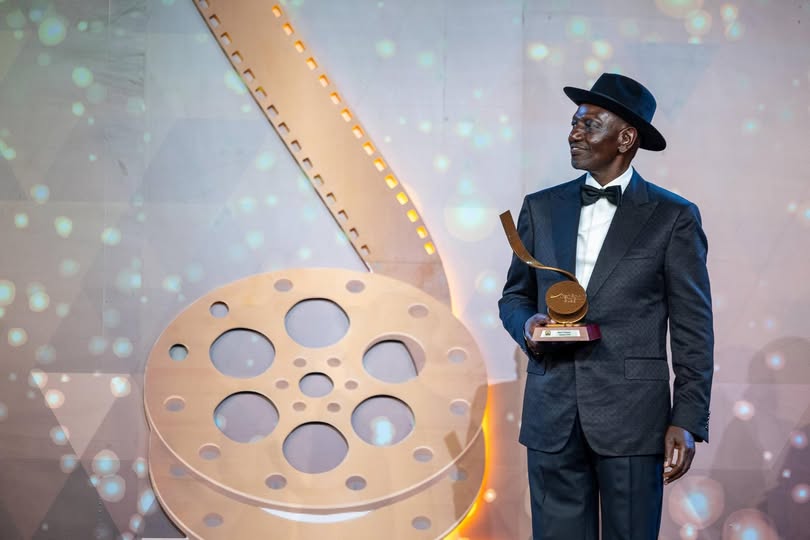
President William Ruto announced Saturday that 30% of government advertising spending will be directed to creative platforms such as TikTok, aiming to channel public resources into the country’s film, music, and digital content industries and support content creators.
Speaking at the 14th Kalasha International Film and TV Market Festival and Awards in Nairobi on May 2, Ruto positioned the creative sector as a central pillar of Kenya’s economic future, particularly for its young population.
“I can confirm that the government has the resources to support and partner with creatives, who tell our stories,” the president told delegates at the Kenyatta International Convention Centre (KICC) as he became the first head of state to attend the country’s premier film and television awards.
The Kalasha Awards celebrate excellence in film and television across East and Central Africa, drawing more than 3,000 delegates, 100 exhibitors and participants from over 30 countries.
Present at the event were Youth Affairs, Creative Economy and Sports Cabinet Secretary Salim Mvurya, Principal Secretary Fikirini Jacobs, and Dennis Itumbi, who heads presidential special projects and creative economy coordination.
Ruto praised the Kenya Film Commission for its organisation of the festival but challenged it to take the awards to counties across the country, saying State House will bid to host next year’s ceremony.
In a series of further announcements, the president revealed he had instructed the National Treasury to develop incentives aimed at attracting international producers to shoot in Kenya.
He also disclosed plans to meet Panos Panay, president of the Recording Academy – the body behind the Grammy Awards – later this month.
“In that meeting, I will not just be pushing for the African Grammys to come to Nairobi. I will also be advocating a bold, structured pathway that connects our creative products to global commerce,” Ruto said.
He called on parliament to fast-track the Creative Economy Bill 2026 and to strengthen copyright protections, arguing that Kenyan artists deserve not only recognition but also proper financial safeguards and funding mechanisms.
To embed creative infrastructure in everyday development, Ruto directed that all future affordable housing projects must include fully equipped audio-visual studios as part of their design.






Leave a comment