

The national government has signalled a fresh push to steady the economy and guarantee counties predictable funding in what could shape Kenya’s business climate ahead of the 2026 budget.
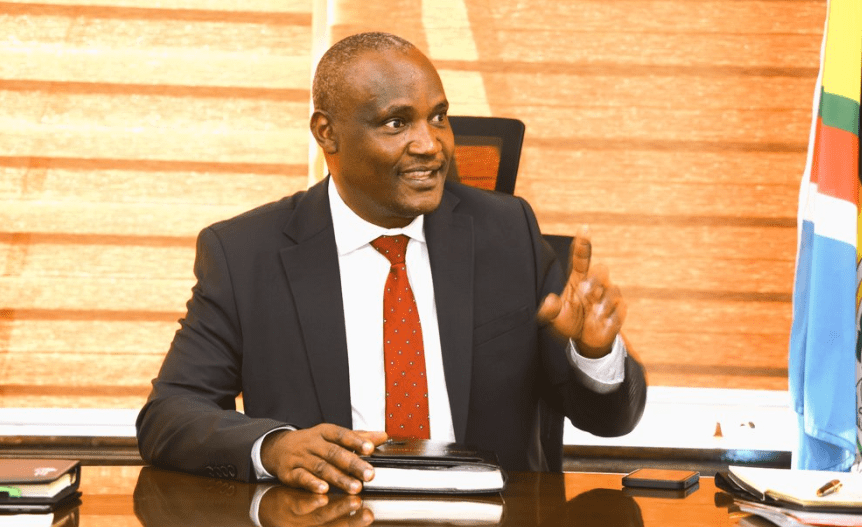
During the 29th Ordinary Session of the Intergovernmental Budget and Economic Council (IBEC) held at the Deputy President’s Residence in Karen, Cabinet Secretary for the National Treasury and Economic Planning John Mbadi said the government is tightening its fiscal strategy to protect livelihoods and unlock growth.
Mbadi and Principal Secretary Chris Kiptoo used the forum to outline the economic direction the country will take in the next financial year. The meeting was chaired by Deputy President Kithure Kindiki and brought together governors and senior national officials.
At the heart of the session were four critical documents: the County Allocation of Revenue Bill, 2026, the County Governments Additional Allocations Bill, the 2026 Budget Policy Statement, and the Medium-Term Debt Management Strategy.
For businesses and investors, the message was clear. Treasury wants to restore macroeconomic stability, revive key productive sectors such as agriculture, manufacturing and MSMEs, and widen access to affordable financing.
“These deliberate policy interventions are aimed at safeguarding livelihoods, stimulating business activity, and sustaining economic growth,” Mbadi said during the session.
The Cabinet Secretary also placed strong emphasis on the National Infrastructure Fund, describing it as a strategic tool to drive long-term development and reduce overreliance on expensive borrowing.
“To advance long-term development and support Kenya’s transition to a high-income, globally competitive economy, the strategic deployment of the National Infrastructure Fund remains a key policy anchor,” he said.
Priority infrastructure projects
The fund is expected to mobilise additional financing for priority infrastructure projects, a move that could attract private investors while easing pressure on public debt.
Counties, which have in recent years complained about delayed disbursements and cash flow strain, received assurances from the Treasury.
“We are strengthening public finance management, deepening intergovernmental fiscal relations, and assuring County Governments of timely and predictable disbursements,” Mbadi said.
The pledge could ease tensions between the two levels of government and help stabilise local economies that depend heavily on county spending.
As Kenya prepares its 2026 budget framework, the focus now shifts to how the proposed allocations and debt strategy will impact taxes, borrowing, and business confidence.
For an economy seeking to rebuild momentum, the IBEC meeting may mark the start of a tighter, more disciplined fiscal path designed to steady growth and rebuild trust in public finances.









Leave a comment