

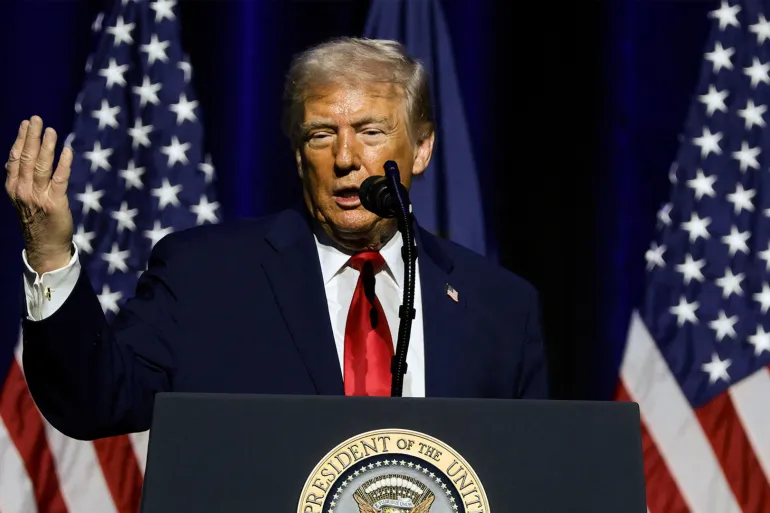
On January 12–13, 2026, the U.S. House of Representatives voted to extend the African Growth and Opportunity Act (AGOA) for three more years, through 2028.
This move comes after AGOA technically expired in September 2025, leaving Kenyan exporters and businesses in uncertainty. Once the Senate and the President sign it, the extension will become law.
AGOA has been key to Kenya’s trade with the U.S. for over 25 years, allowing thousands of Kenyan products to enter the American market duty-free.
This has kept Kenyan goods competitive, protected jobs, and attracted investment in factories and supply chains. Without AGOA, Kenyan exports would face full U.S. tariffs, making them less competitive compared to goods from Asia, Europe, or within Africa.
Job protection and business certainty
One of the biggest benefits is job protection. Kenya’s textile and apparel sector alone employs tens of thousands of people, with many more in supporting industries like logistics and farming. The extension ensures that these jobs remain secure at least until 2028.
The extension also provides certainty for business planning. Companies can now invest in expansions, machinery, and workforce development without fearing sudden trade barriers. In short, it turns short-term guesswork into a medium-term strategy.
Opportunities for growth and diversification
Kenya already benefits significantly from AGOA. Apparel exports alone have earned around $470 million annually, providing foreign exchange that supports the local economy.
The extension also opens opportunities to diversify exports into coffee, tea, leather goods, chemicals, pharmaceuticals, and digital products, sectors that have not fully tapped AGOA yet.
The U.S. gains as well. American consumers benefit from lower-priced goods while Washington strengthens economic ties with Africa, balancing growing influence from global rivals like China and Russia.
Next, the extension must pass the U.S. Senate and be signed into law. In the long term, Kenya and the U.S. continue to explore trade agreements that could go beyond AGOA and provide stable, long-term trade rules.
The AGOA extension protects jobs, keeps Kenyan products competitive, encourages investment, and signals a continued U.S.–Kenya economic partnership. For Kenyan businesses, certainty is a valuable commodity, and AGOA delivers exactly that.














Leave a comment