


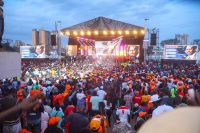
Kenya stands still today as the nation prepares to lay Raila Amolo Odinga to rest, marking the end of a political era that shaped generations. From early morning, crowds have gathered in different parts of the country to witness the historic state funeral of a man whose name has been synonymous with Kenya’s democracy for decades.
A state funeral is the highest honour the government can accord to a citizen. It is reserved for individuals whose contribution to the nation goes beyond personal ambition — people who leave a mark on public life through leadership, sacrifice, or service. Those often eligible include sitting or former presidents, deputy presidents, national heroes, and other distinguished figures approved by the Cabinet.
In such ceremonies, the state takes charge of the funeral arrangements — from the military guard of honour and flag-draped coffin to the 21-gun salute. The national flag is flown at half-mast as a sign of mourning. The government also covers the expenses and ensures that every aspect of the event reflects dignity and respect.
Raila Odinga’s farewell carries deep national symbolism. Over the years, he became one of the most recognisable voices in Kenya’s political story — detained for his beliefs, celebrated for his resilience, and respected even by his critics for his courage. Today’s ceremony is not just a farewell, but a recognition of a lifetime spent in pursuit of democracy and justice.
As the military escort accompanies his casket to its final resting place, the country pauses in reflection. The national anthem plays, soldiers salute, and Kenyans from all walks of life unite in remembrance.
A state funeral is more than protocol. It is a statement of national gratitude a final salute to those who have given their lives to the service of Kenya.












Leave a comment