

Karura Forest, once a battleground for Kenya’s green revolution, is now at the centre of a fresh storm. The state department of Forestry under Gitonga Mugambi has officially taken over management of the forest from the local CFA Friends of Karura Community Forest Association (FKFCFA), sparking fears of lost community ownership, weakened conservation, and a betrayal of history.
Karura is no ordinary forest. It is a sanctuary reclaimed through blood, sweat, and courage. In the 1990s, ordinary Kenyans led by the late Nobel Laureate Wangari Maathai stood against batons and bulldozers to save the woodland from the jaws of developers. Their victory birthed a vision: a forest run by the people, for the people, in harmony with nature.
For over 15 years, that vision has flourished. FKFCFA has conserved and managed Karura jointly with KFS, turning it into Nairobi’s most cherished green escape – serving Huruma, Githogoro, Runda, Muthaiga, and beyond. Clean air, safe trails, livelihoods, and national pride grew under community stewardship.
Now, critics warn, all that is at risk.
Without meaningful public participation, Principal Secretary for Forestry Gitonga Mugambi recently endorsed 11 recommendations that effectively end FKFCFA’s role in Karura’s daily management.
“We are growing increasingly concerned about what will happen to Karura going forwards as there is no clear path for how it is being managed,” said Professor Karanja Njoroge, a long-time supporter of the community-led model.
“We need to urgently get Friends of Karura in again to jointly manage the forest’s day-to-day operations and work with the local communities,” he added.
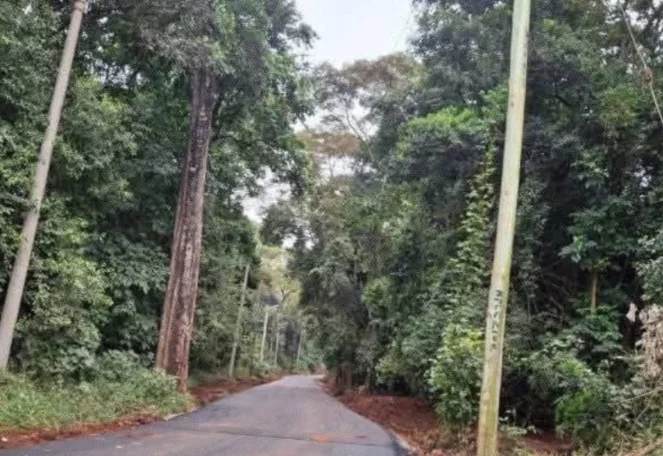
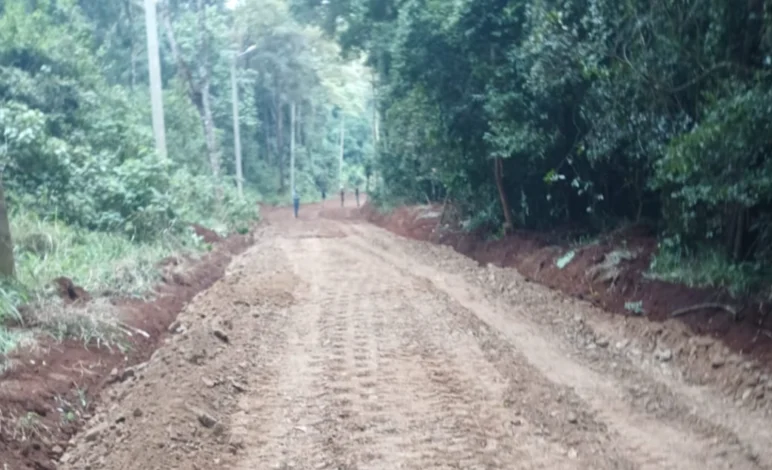
Concerns are not only about governance. The construction of tarmac roads inside the forest has sparked heated debate across social media. Conservationists argue that the forest, designed as a nature trail and urban sanctuary, risks being carved into a traffic zone – undermining the very experience that makes Karura special.
Local leaders are pushing back against the militarization of conservation.
“Guns never protected Karura forest reserve and they won’t. It’s the people who always have, and always will,” said Fiu Nifiu, MCA for Karura Ward.
“Also, disrupting the community-led Karura Forest conservation and management model only risks reversing the gains. Instead, the state department of Forestry should be asking: How can we strengthen the FKF collaboration? How can Karura’s success be replicated in other threatened forests across Kenya?” Fiu Nifiu poses.
Karura’s fate raises larger questions about how Kenya protects its green spaces. Community forest associations, born out of the Forests Act, have been celebrated as a model for grassroots stewardship. Karura, especially, has been proof that when government and communities work together, conservation wins.
Karura is not just trees and trails. It is memory. It is resistance. It is a promise kept to future generations.
And now, as Kenyans lace up for their Saturday walks, they do so with unease — uncertain if the forest they reclaimed will remain the forest they know.
Read: Cutting Down Trees From Karura Forest Is Normal, KFS Says
>>> Samsung plants 10,000 trees in Karura













Leave a comment