

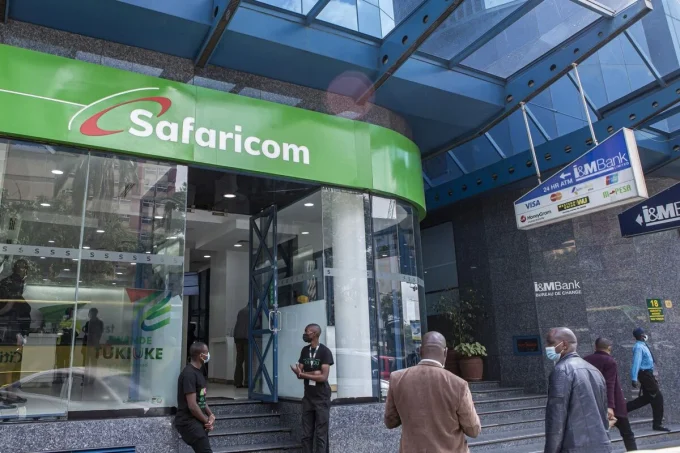
On 24th April, at about 10am, Safaricom mobile money service, M-Pesa, began experiencing outages. One how later the network was so jammed that sending money became virtually impossible for the better part of that Monday.
Safaricom CEO Bob Collymore explained the issue as a technical hitch. But it turns out, the hitch was executed from a very unlikely setting: prison.
Prison break
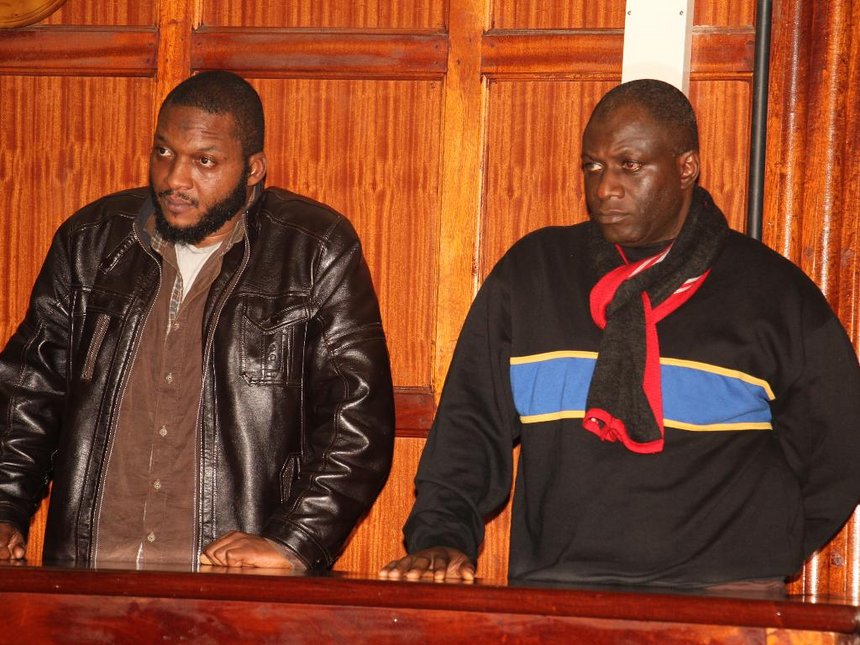
Among those who planned and pulled off the network jamming was a West African arrested in January 2016 with over $600 million (equivalent to Ksh70 billion) in fake currency. Mohammed Sani alias Dr Mustafa, from Niger, claims he helped hack into the Safaricom network.
Sani revealed in a Nairobi court yesterday that the Safaricom network glitch that locked out M-Pesa transactions and even calls was planned and executed from his cell at Industrial Area Prison in Nairobi. He did not say the intention of jamming the network, but it was mostly likely an unsuccessful hacking attempt.
Mr Sani said the outage was part of a mobile phone hacking cartel involving hard-core prisoners, rogue police officers and prison warders operating behind prison cells. The network downtime forced Safaricom to offer free M-Pesa transactions the following day to appease its subscribers, costing in nearly two days of revenues running into millions of shillings.
Next Read: End of the road for Ugandan who hacked into customer’s M-Pesa account
“I know everything that happened the day Safaricom shut down,” he said, “we did it in my prison cell. I have all the evidence and people in prison who are willing to come out as witnesses to support my claims so that they are not seen as baseless allegations.”
Sani, who was charged in January 2016 alongside Cameroonian Ousman Ibrahim Bako with being in possession of US dollar and Euro currency notes, said police officers smuggled into his cell two laptops, which he used to hack into systems.
According to the suspect, the cartel has been operating behind prison walls until a few days ago when a deal went sour and he decided to make everything public.
Sani claimed that since he was remanded in January last year, he has managed to tap, siphon and share Ksh2.5 million with police officers who are part of the cartel.
The police, he claimed, offered the hackers protection. Sani said his threat to disclose what has been happening behind bars landed him in trouble with prison authorities, who have been subjecting him to inhuman treatment, including stripping him naked, forcing him to sleep on wet floors and flogging.
NEXT: Twelve enjoyable business lessons from love-making
“When the police realised I had no more money to pay them for protection, they started harassing me and subjecting me to inhuman treatment. This was what made me to go public and tell the court what was really happening in my room,” he said.
Chief Magistrate Francis Andayi was equally shocked as the suspected revealed how he is allowed access to a mobile phone in jail.
“The claims you are laying before the court cannot be taken lightly. They are weighty issues that need proper investigation. It would require that the magistrate come to prison to verify them or appoint a court assistant to help you put everything on record,” said Mr Andayi.
Sani asked for two days to give the details of mobile money transactions.
Should Sani reveal the identities of the police officers helping prisoners to hack into systems? Scroll and down and share yours views in comments section.
ALSO: Safaricom goes global in new expansion deal
[crp]











That was an incredible story. I never believed that anyone could hack Mpesa.