

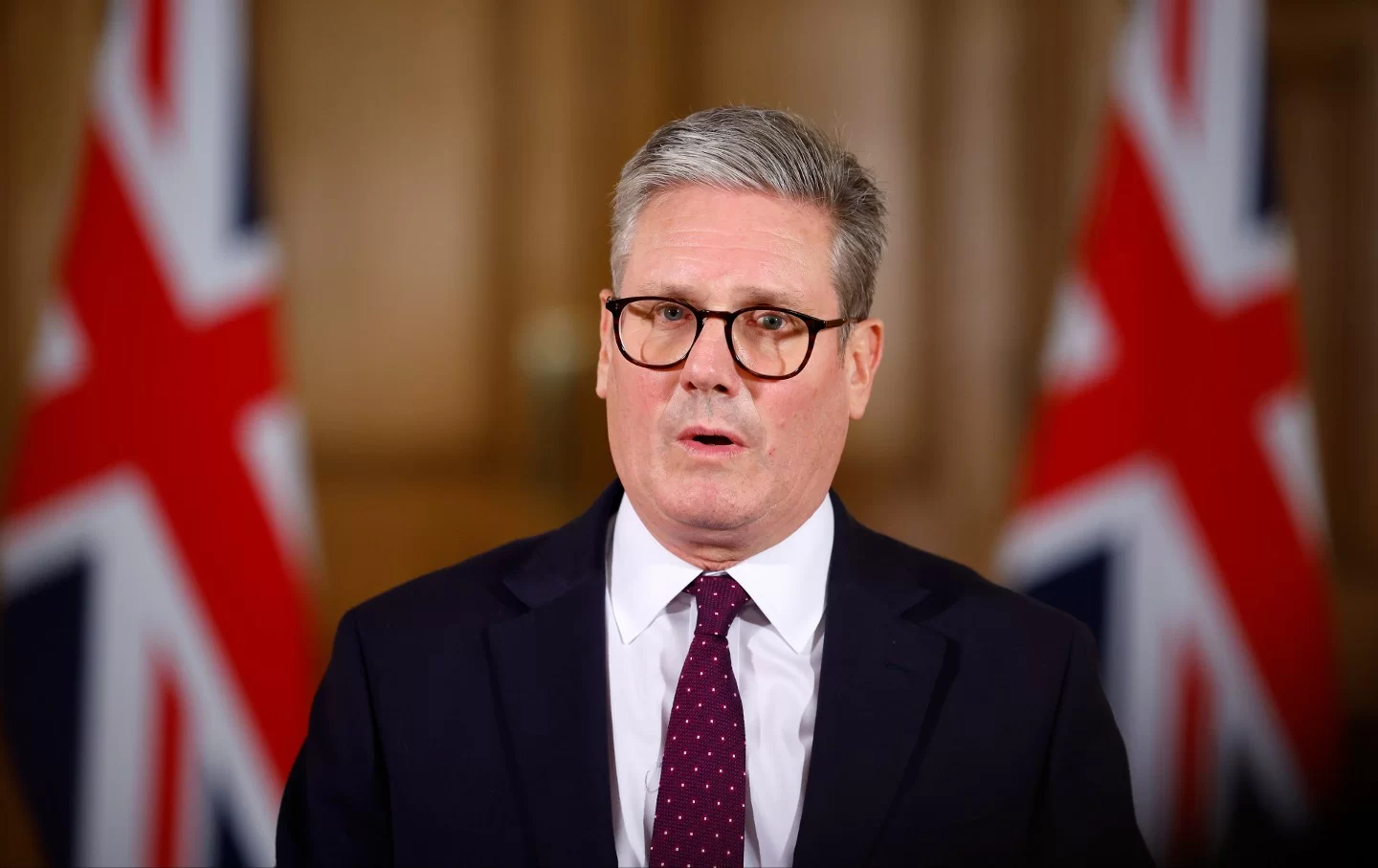
The UK’s decision to further slash its foreign aid budget has sent shockwaves across African nations, threatening critical development programmes and deepening concerns about the global North’s commitment to supporting the continent’s most vulnerable populations.
The latest round of cuts, announced as part of the UK government’s fiscal tightening, will see bilateral aid to several African countries reduced significantly, with profound implications for health, education, and economic resilience. Among the hardest hit are nations like Kenya, Nigeria, and Ethiopia, where UK-funded initiatives have supported everything from maternal health clinics to agricultural innovation.
According to development experts, the UK’s retreat from its historic role as a leading donor risks undermining decades of progress in poverty reduction and institutional capacity-building across the continent.
“This reduction risks stalling progress on critical infrastructure and social services,” a senior government official in Nairobi said.
The Labour government defended the move, citing fiscal constraints inherited from prior administrations. “We remain committed to international development but must balance that with domestic priorities,” Britain’s Foreign Office spokesperson said. Prime Minister Keir Starmer has pledged to restore the 0.7% target “when economic conditions allow,” though no timeline was provided.
The UK’s foreign aid budget, once pegged at 0.7% of gross national income (GNI) under a legally enshrined commitment, has faced successive reductions since 2020. Initially justified as a temporary measure to address domestic economic pressures, the cuts have become a persistent feature of UK fiscal policy.
This latest announcement, which sees to reduce the aid budget from 0.5% to 0.3% of GNI and prioritises domestic spending, particularly plans to redirect its funds towards multilateral organisations like the World Bank and humanitarian efforts in conflict zones such as Gaza, Sudan, and Ukraine.
It came just months after the Trump administration ended key USAID programmes that had supported Africa’s health and agriculture sectors, adding pressure on governments already struggling with debt and climate-driven shocks.
>> How Fixed Income Funds Work in Kenya

![Kenyans working under the Climate Worx programme [Photo/Climate Worx]](https://businesstoday.co.ke/wp-content/uploads/2025/03/Climate-Worx-3-150x150.png)








Leave a comment