

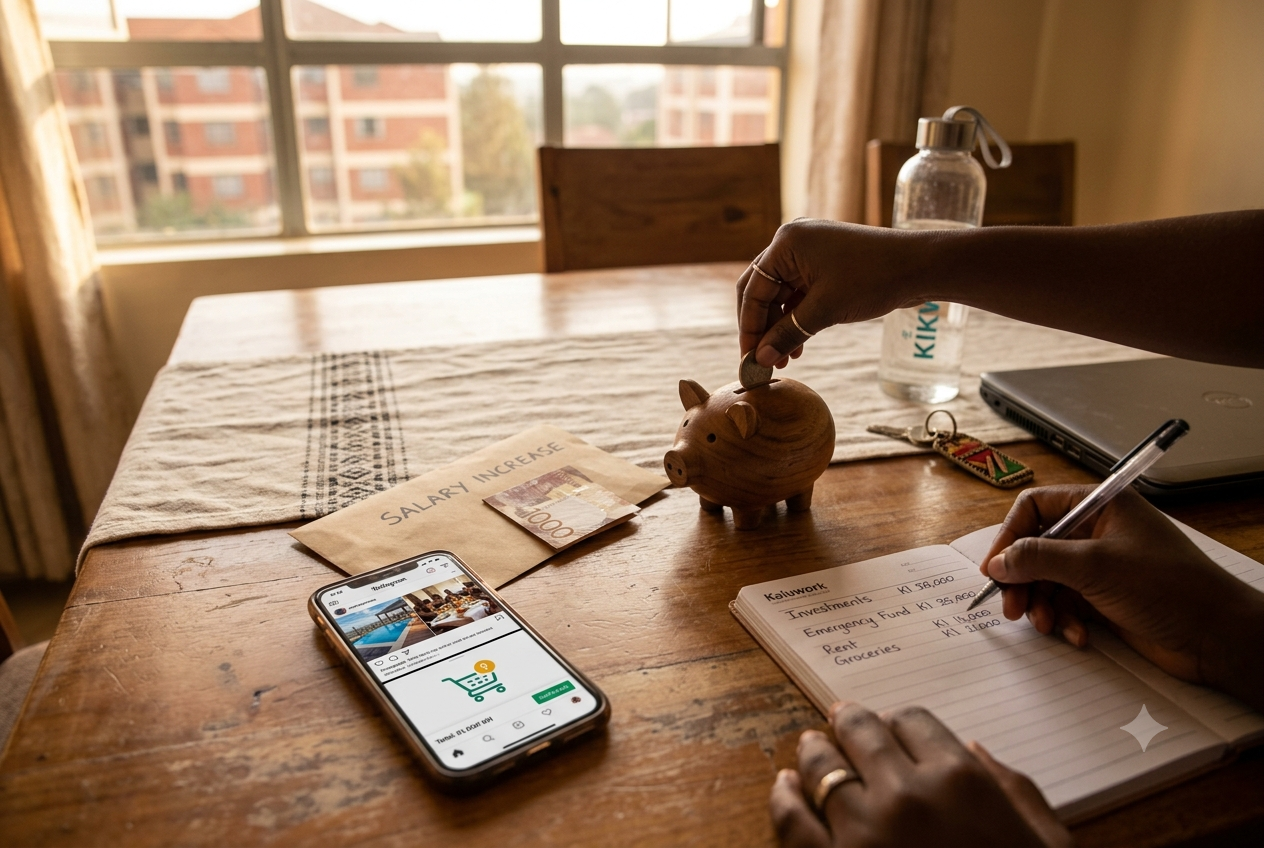
The biggest threat to your finances is not always a low salary. Sometimes, it is a higher one.
As many young professionals earn more, they also begin spending more. The apartment gets bigger, weekends become pricier and little luxuries slowly turn into everyday habits. Before long, the extra income that once felt life-changing has disappeared, leaving the same familiar wait for payday.
This is lifestyle inflation, and it is quietly stopping many people from building real wealth.
For many young Kenyan professionals, the pressure is even greater. Inflation has pushed up the cost of essentials such as rent, transport, electricity and groceries. At the same time, social media constantly showcases luxurious lifestyles that can make ordinary living seem boring. The result is a generation that often feels successful on the outside while quietly struggling on the inside.
Success should not come with a monthly financial panic
There is absolutely nothing wrong with improving your quality of life.
If you have worked hard for years, you deserve a comfortable home, decent clothes and the occasional holiday. The problem begins when every increase in income automatically leads to a bigger increase in spending.
A promotion becomes an excuse to move into an apartment that costs twice as much. A performance bonus becomes a reason to replace a perfectly functioning phone. Even simple pleasures slowly become expensive habits.
Before long, your monthly bills grow so much that your new salary starts feeling exactly like your old one.
The funny thing about lifestyle inflation is that it rarely announces itself. It arrives politely, one purchase at a time.
The pressure to look successful has never been higher
Today’s young professionals are living in a world where success is often judged before anyone asks how much debt came with it.
One scroll through Instagram reveals beach holidays, rooftop dinners, luxury apartments and shiny new cars. LinkedIn celebrates promotions almost daily. TikTok has turned “soft life” into a lifestyle goal.
It becomes easy to believe that everyone your age is living comfortably except you.
What those pictures rarely show are the bank loans, credit card balances or the anxiety of waiting for the next payday. Looking wealthy and being wealthy are two very different things.
Many people spend money trying to maintain an image that strangers admire for a few seconds before scrolling to the next post.
Convenience has become surprisingly expensive
Lifestyle inflation is not always about buying designer bags or luxury cars.
Sometimes it hides inside everyday conveniences.
Ordering lunch because cooking feels exhausting after work. Using ride-hailing services instead of public transport every day. Paying for streaming platforms you barely watch. Buying bottled water instead of carrying a reusable bottle. Shopping online because it saves time, even when delivery charges quietly pile up.
None of these choices seems expensive individually.
Together, they can quietly swallow thousands of shillings every month without improving your financial future.
Five smart ways to keep lifestyle inflation under control
1. Give every salary increase a job
When your income goes up, decide where the extra money will go before it reaches your account.
Increase your savings, investments or pension contributions first. If you save before you spend, you are far less likely to waste the extra income on things you will barely remember buying six months later.
2. Delay expensive upgrades
Not everything needs replacing simply because you can now afford a better version.
If your laptop still works, keep using it. If your sofa is still comfortable, there is no emergency. Waiting even three months before making a major purchase often helps separate genuine needs from emotional spending.
Sometimes the excitement disappears long before the urge to buy does.
3. Build wealth before building appearances
Many people focus on looking financially successful instead of actually becoming financially secure.
Imagine putting the same money you would spend upgrading your wardrobe into an investment account every month. Over time, those investments can grow into something far more valuable than a collection of clothes that eventually go out of fashion.
Your future self will probably thank you more than your Instagram followers ever will.
4. Review your subscriptions and monthly expenses
Small recurring payments are surprisingly powerful.
Streaming platforms, premium apps, gym memberships you no longer use and automatic renewals quietly drain money month after month.
Once every few months, go through your bank statement carefully. You might discover you are paying for services you completely forgot existed.
Your wallet deserves a clean-up just as much as your wardrobe.
5. Define success on your own terms
Financial success does not have to mean living the most expensive lifestyle among your friends.
For some people, success means owning a home. For others, it means travelling, starting a business or retiring early.
When you define success yourself, you stop spending money trying to meet everyone else’s expectations.
That is when financial freedom becomes much easier to achieve.













Leave a comment