

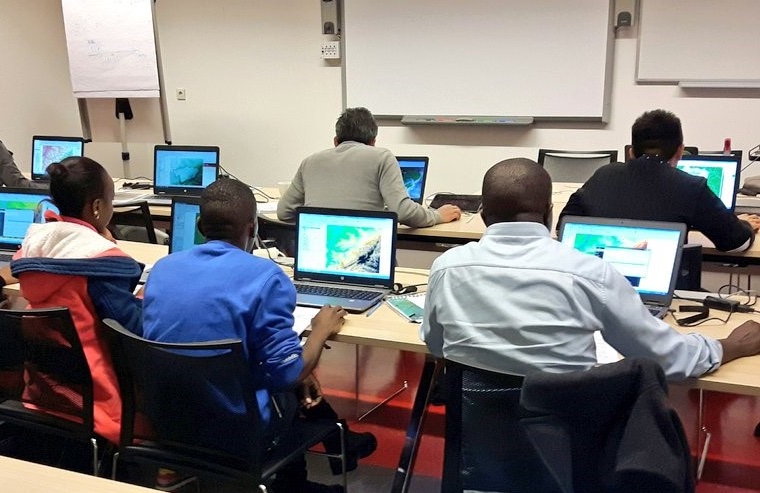
Technology has a significant impact on how students at the university study. Some of the ways on how technology has impacted higher education include easy access to information.
Students now have access to huge amounts of information online from different sources such as Google scholar and also digital libraries, which allow scholars to easily access articles, newspapers and even books. Instead of carrying many textbooks, students now rely on e-books which are more portable and also more affordable.
Introduction of virtual classrooms and online classes has enhanced flexibility in learning. Universities have e-learning platforms that distribute assignments, discussions and administer exams. They also offer online courses which enable students from all over the globe to enrol, therefore supplementing their on-campus education.
Many universities used this mode of learning during the pandemic back in 2020, during the COVID-19 times. Collaboration tools such as Google docs and Microsoft One Drive enable students to work together on group projects in real time regardless of the geographic location. Online platforms such as Google Meet and Zoom also create a forum for students to interact and learn.
It has improved organisation and time management. Students now use apps such as ever-note to organise their notes, manage tasks and improve efficiency. They also use scheduling platforms such as Google Calendar to manage their classes and assignments.
While technology has made cheating easier, it has also enabled easier detection of plagiarism through AI detectors. therefore maintaining academic integrity.
The negative impacts
There is distractions, hence reducing productivity due to easy access of social media and entertainment. Juggling between academic and non-academic activities can cause a major distraction hence, negatively impacting comprehension.
Constant screen-time and pressure to be online can cause anxiety and stress among students. Students might spend most of their time online which can greatly affect their social life, hence leads to feelings of isolation.
Technology has also made it easy for students to access unauthorised platforms which they use inappropriately during assignments and exams which may lead to plagiarism. High dependence on technology causes disruption especially during technical difficulties and unstable internet connection.
Technology has made studies easily accessible, interactive and flexible.
> Rubis Overtakes Total in Race for Oil Market Share in Kenya
















Leave a comment