


A discussion on Singapore during the Kimuri Show on Inooro TV has ignited a broader national conversation on whether Kenya, both as a country and as a people, is truly ready for the level of development often associated with the Asian city-state. The debate moved beyond infrastructure and wealth, focusing instead on systems, culture and individual responsibility as the real drivers of progress.
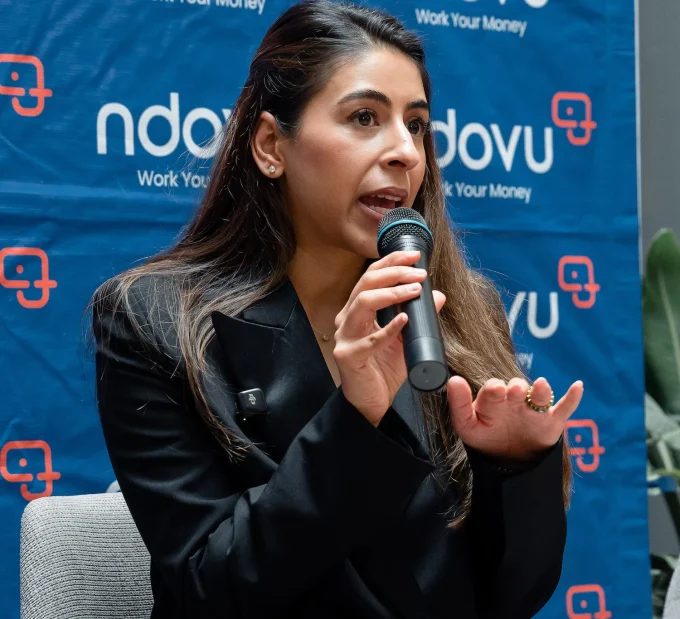
Panelist Eunice Wangithi argued that Singapore’s success is anchored on a functioning system and a disciplined citizenry.
“Singapore is built on systems that work. Citizens are loyal to their country, respectful and disciplined,” she said, noting that this culture sharply contrasts with Kenya’s.
She pointed to the chaotic public transport sector as an everyday example of how weak systems and poor civic behaviour undermine development. Wangithi clarified that her remarks were not meant to criticise Kenyans, but rather to provoke reflection.
“The point is not to attack ourselves, but to hold up a mirror and ask hard questions,” she said.
According to Wangithi, the journey towards becoming a Singapore-like nation cannot begin with government alone.
“It does not start with the country. It starts with the individual,” she said, adding that a nation improves only when its people change their mindset, embrace discipline and respect order.
She challenged the tendency to place all responsibility on leadership, arguing that citizens must align their behaviour with the standards they demand from those in power.
“You cannot demand first-world leadership while practising third-world habits,” she said.
She also drew on history to illustrate that Kenya once had opportunities similar to those seized by Singapore. Wangithi noted that Singapore borrowed ideas from Kenya in the early years, including models linked to the National Youth Service (NYS).
“We had the seed. They watered it,” she said, explaining that while Kenya generated good ideas, Singapore implemented them decisively and remained consistent. Singapore’s development trajectory, often cited by economists and governance experts, is widely attributed to long-term planning, strict enforcement of laws and institutional discipline, rather than rhetoric.
Wangithi further observed that transitioning from what is commonly termed “third world” to “first class” development comes at a cost.
“Higher standards, structured systems and predictable results are not cheap,” she said, noting that even Singapore’s high cost of living reflects order, value and efficiency.
According to global indices such as the World Bank’s governance indicators, Singapore consistently ranks highly on regulatory quality, rule of law and government effectiveness, pillars Wangithi argued Kenya must strengthen.
To underline her point, she drew a biblical parallel with the Israelites’ journey from Egypt to Canaan.
“There were complaints, fear and resistance along the way, but the journey continued,” she said, likening the story to Kenya’s own path toward transformation.
Her message, echoed by the show’s broader discussion, was that progress is uncomfortable, demanding sacrifice, discipline and patience, but ultimately achievable if both leaders and citizens commit to change.
The discussion has since resonated with viewers, reopening debate on whether Kenya’s development challenge lies more in resources and leadership, or in civic culture and personal responsibility.
Read: Young Kenyans Running Fintech In Singapore Raise Sh220 Million
>>> Zamara signs micro-pension inclusion partnership deal with Singaporean firm














Leave a comment