


In today’s fast-evolving corporate culture, personal style goes beyond clothing—it lingers in the way you smell.
Professionals are investing in signature scents as part of their identity. But a subtle tension is emerging: when does personal scent become a public problem?
The challenge lies in proximity. What once felt like a private ritual—spritzing perfume before leaving the house—now plays out in shared environments: elevators, boardrooms, tightly packed desks, and the staff lounge. For some, fragrance is empowering. For others, especially those sensitive to scent, it can be overwhelming, even triggering headaches and flu-like symptoms or nausea that linger long after the wearer has left.
Science offers part of the explanation. Our olfactory receptors adapt quickly; the more you wear a scent, the less you notice it. That extra spray in the morning might feel necessary—but to your colleague across the desk, it could be excessive. In Nairobi’s dense office ecosystems, where air circulation isn’t always ideal, scent travels—and it stays.
This is no longer just etiquette—it’s a workplace issue. While some global companies have introduced fragrance-free policies, Kenyan offices are only beginning to grapple with the issue. Still, the unspoken rule is clear: be mindful.
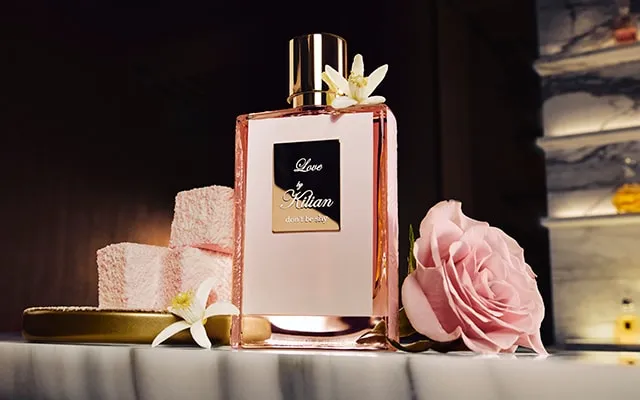
And yet, perfume at work isn’t inherently a faux pas. When worn well, it can be a quiet power move. Scent is deeply tied to memory, emotion, and confidence—it can ground you before a pitch, sharpen your presence in a meeting, or simply elevate your mood during a long day.
So how should a professional approach fragrance at work?
Think of scent as part of your wardrobe. Just like your outfit, your fragrance should complement—not dominate—your presence. A well-chosen scent enhances your persona rather than overwhelming it.
Less is more. In shared spaces, restraint is everything. One light spritz on pulse points is often enough. If someone can “smell you coming,” you’ve likely overdone it.
Match the setting. A bold, expressive fragrance might suit a creative studio in Westlands, but in a corporate boardroom in Upper Hill, subtlety wins. Context is key.
You can curate a fragrance wardrobe. Different moments call for different scents. Light, fresh notes work best for daytime and office environments, while richer, more intense fragrances can be reserved for evenings or social settings.
Respect a shared space. Colleagues may have allergies or sensitivities. The goal is to leave an impression—not a trail.
Ultimately, wearing perfume to the office in should be about balance. It sits at the intersection of self-expression and collective comfort—where your personal style meets the realities of shared air.
The real question isn’t whether you should wear fragrance to work. It’s whether you know how to wear it well.














Leave a comment