

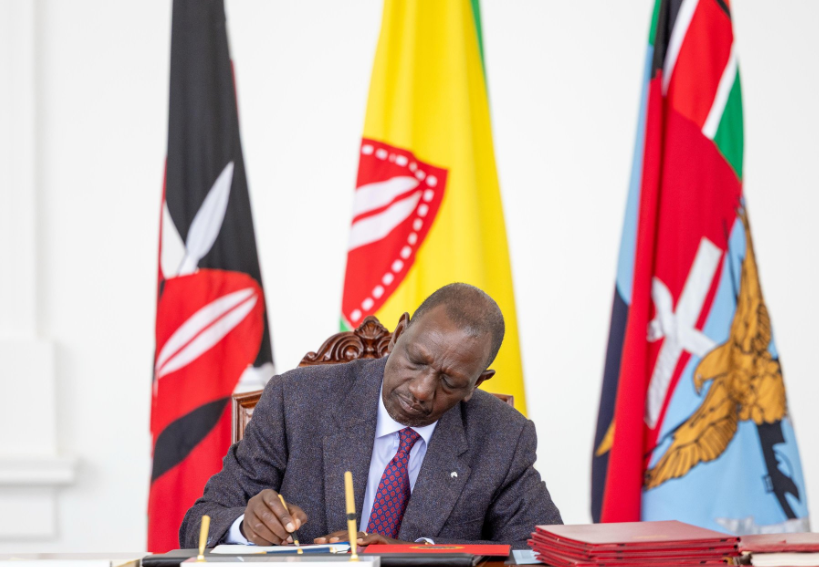
Public schools across the country are set to receive Ksh23 billion ahead of the second term, after President William Ruto ordered the funds to be released immediately.
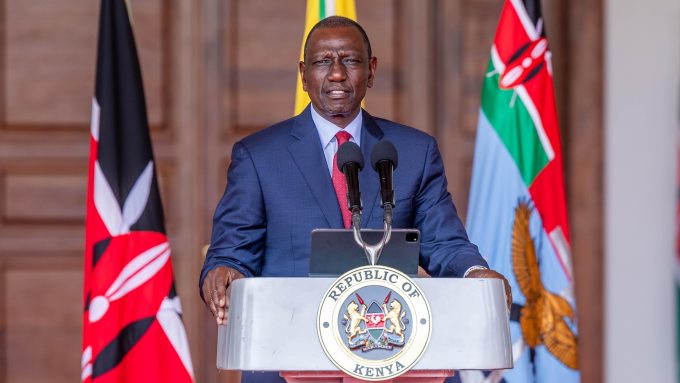
The announcement was made on Friday, during the Kenya National Drama Festival State Concert at State House, Nairobi. Ruto used the platform to stress that schools should not reopen without the necessary resources in place.
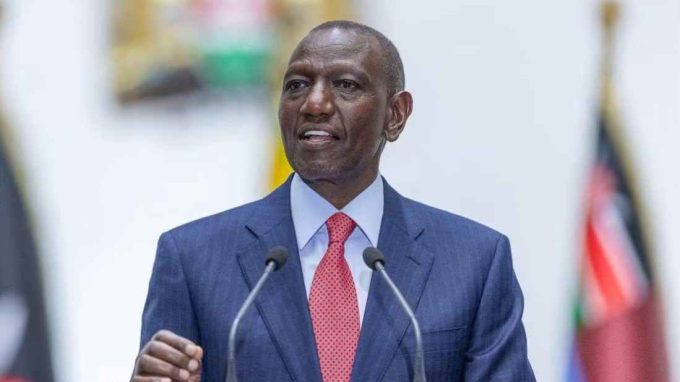
“As we did last year, we made sure that money meant for capitation arrives before the opening of the schools. The Minister for Education is here, and he is to ensure that the Ksh23 billion meant for capitation arrives on time before opening,” he said.
He tasked Education Cabinet Secretary Julius Ogamba with ensuring the funds are disbursed promptly to all public institutions.
For years, delayed capitation has been a major concern for school heads, often forcing them to run operations on debt or scale down activities. This latest directive signals a push by the government to fix that pattern by making early funding routine rather than exceptional.
The capitation funds are critical for running schools. They cover essentials like textbooks, electricity, water, exams, and co-curricular activities. With the Competency-Based Curriculum (CBC) expanding, schools are also under pressure to invest in practical learning materials and specialised facilities.
Ruto noted that going forward, the government wants to institutionalise a system where funds are always released before schools reopen. This, he said, will allow teachers and administrators to plan properly and avoid disruptions once learners report.
The second term begins on April 27 and will run until July 31, spanning 14 weeks. A half-term break is scheduled from June 24 to June 28. The third term will then kick off on August 24 and end on October 23.
National examinations and assessments will follow immediately after the third term. These include CBC-related tests such as KPSEA, KILEA, and KJSEA, as well as KCSE for secondary school candidates.
Earlier in the year, the government released over Ksh44 billion—half of the annual capitation budget—before the first term began in January. That move was seen as a shift towards more timely funding, after years of complaints from education stakeholders.
Capitation per learner has also gone up, especially at the senior school level, where the government is now providing about Ksh22,244 per student. Previously, the average stood at around Ksh17,000. The increase reflects the higher cost of delivering CBC, which requires more equipment, teachers, and infrastructure.
The Ministry of Education (Kenya) has been rolling out additional projects to support the transition, including the construction of new classrooms and laboratories, as well as the recruitment of more teachers.
Despite these efforts, challenges remain, especially in overcrowded schools and areas with limited facilities. Education players have repeatedly called for consistency in funding, noting that even small delays can affect learning schedules and school programmes.







Leave a comment