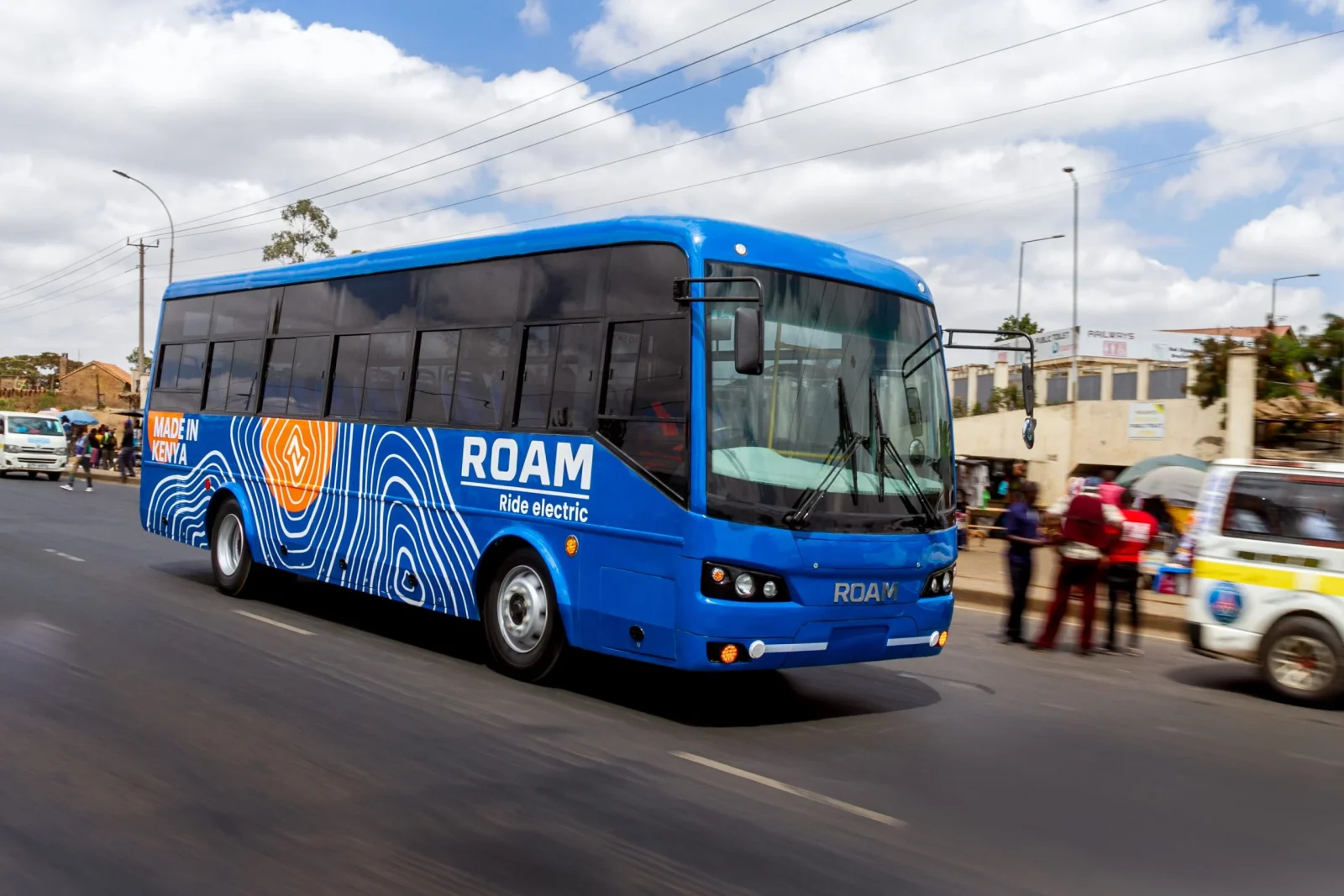
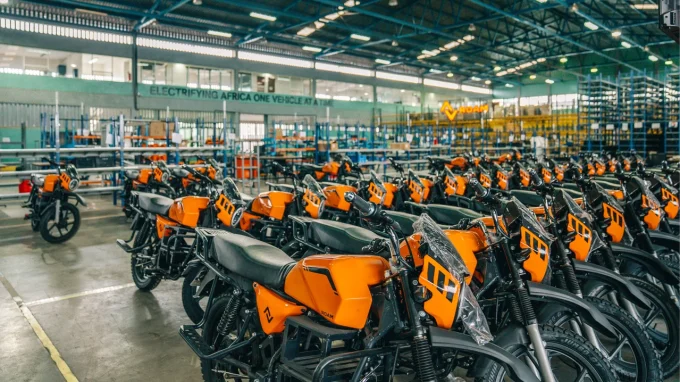
Kenyan e-mobility firm’s Roam Explorer uses low-bandwidth networks and predictive analytics to boost fleet visibility, cut downtime and unlock asset financing opportunities
Kenyan electric mobility manufacturer Roam has introduced an artificial intelligence-powered fleet monitoring platform, betting that improved asset visibility could unlock financing and accelerate the adoption of electric vehicles across Africa.
The Nairobi-based company said Wednesday it has launched Roam Explorer, a real-time connectivity system that links electric motorcycles, tuk-tuks, buses and cars to a centralized digital platform. The system tracks battery health, vehicle performance, location and usage data, positioning itself as what the company calls a digital operating layer for electric fleets.
Africa’s electric mobility push has been constrained not only by infrastructure gaps but also by limited access to reliable fleet data, particularly in rural areas where network coverage is inconsistent. For operators and lenders, the inability to remotely monitor vehicles has increased risk and slowed scale-up.
Roam Explorer is designed to function across 2G, 3G and 4G networks, enabling connectivity even in low-bandwidth environments. Fleet operators can access vehicle data through a smartphone interface, while certain functions can be managed via SMS, a nod to markets where smartphone penetration remains uneven.
The platform uses artificial intelligence to analyze battery range, temperature and performance metrics in real time, with the aim of predicting maintenance needs and reducing unplanned downtime. By shifting from reactive repairs to predictive servicing, Roam says it can improve asset utilization and lower operating costs for fleet owners.

The company also sees the technology as a catalyst for asset-backed lending. Greater transparency over vehicle performance and usage could give financiers more confidence in underwriting electric fleets. Kenya-based lender M-KOPA is among the institutions expected to benefit from improved monitoring of financed vehicles, according to the company.
“Roam Explorer changes how electric fleets are managed. It moves us from reacting to problems to preventing them,” Habib Lukaya, Roam’s country manager, said in a statement. “By giving real-time visibility into battery health and vehicle performance, we are making electric fleets safer to operate and easier to finance.”
The platform was designed and developed in Kenya in collaboration with Swedish technology partners, underscoring what Roam describes as a broader shift from simply manufacturing electric vehicles to building connected mobility ecosystems tailored to African operating conditions.
Founded in Kenya, Roam has drawn international attention as a finalist for the Earthshot Prize and as one of the 2024 Impact/100 startups named by the Norrsken Foundation. In 2025, the company was ranked among Africa’s top 40 and Kenya’s fastest-growing companies by the Financial Times, highlighting investor appetite for climate-focused ventures on the continent.
With Explorer, Roam is seeking to demonstrate that the next phase of Africa’s electric mobility transition may hinge less on hardware and more on data.
Ooro George is a Kenyan journalist, blogger, editor-at-large, art critic and cross-cultural curator.
Swedish-Kenyan electric vehicle manufacturer Roam has invited the public to buy shares...
Roam, Africa’s fastest growing electric vehicle company, has launched a crowdfunding campaign...
Kenyan electric mobility company Roam has kicked off a daring 1,600-kilometre journey...
Roam, Kenya’s leading electric mobility manufacturer, has partnered with Fortune Credit, a...
Leave a comment