

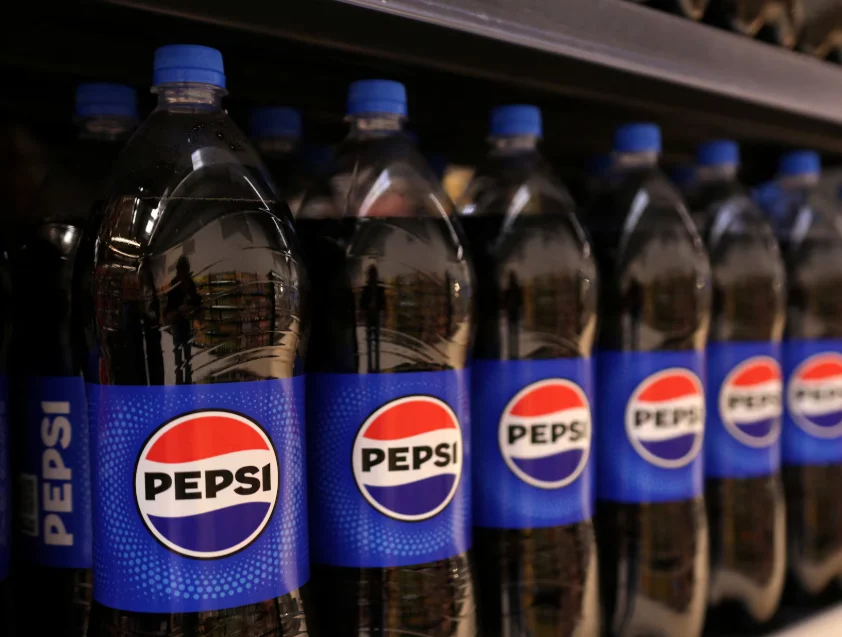
Varun Beverages will build a major Pepsi production plant in Kenya, aiming to start operations by late 2027.
The global bottler said the new facility marks an important step in its expansion across Africa and reflects growing demand for PepsiCo drinks in emerging markets.
The company, which is the largest bottler of PepsiCo products outside the United States, confirmed that construction will begin in the first quarter of 2026 and that the factory is expected to be completed by the fourth quarter of 2027.
Once operational, the facility is projected to have a production capacity of between 12 million and 15 million cases of beverages annually.
Varun Beverages’ board said in its audited financial results that it has formed a new wholly-owned subsidiary in Kenya — VBL Industries (Kenya) Limited — which will handle the manufacturing, distribution and sale of beverages under the PepsiCo portfolio.
The lineup of drinks expected to be produced includes well-known global brands such as Pepsi, 7UP, Mirinda and Mountain Dew.
Local production of these products is likely to make them more affordable and widely available across Kenya. The company’s expansion into Kenya builds on its broader strategy of growing in Africa, where it already operates in multiple countries, including Zimbabwe, Zambia, South Africa, Tanzania and Ghana.
This investment follows high-level discussions between Kenyan officials and executives from PepsiCo. In 2023, President William Ruto met with PepsiCo leaders in the United States to promote foreign direct investment and support local manufacturing, particularly in the food and beverage processing sectors.
These talks were aimed at encouraging companies to set up production facilities that create jobs and strengthen Kenya’s industrial base.
The company has been investing heavily in international markets, expanding production lines, and acquiring businesses to build scale.
For example, it has agreed to buy South Africa-based Twizza, expanding its production footprint there, and has also taken full ownership of beverage businesses in Tanzania and Ghana.
Beers
In addition to soft drinks, Varun Beverages is diversifying into other segments. Its African subsidiaries recently signed an exclusive distribution agreement with Carlsberg Breweries to test-market beer brands locally, signalling a push beyond its traditional non-alcoholic portfolio.
The Kenya plant could not only boost local manufacturing but also strengthen the company’s logistics and supply chain in East Africa.
By producing beverages locally rather than importing them, Varun Beverages is expected to reduce costs, support faster delivery to retailers, and respond more quickly to consumer trends.
Construction of the plant and related investments are also seen as a positive for employment, with jobs expected to be created both during the building phase and once the facility opens.
While exact numbers have not been disclosed, similar projects in the region have generated thousands of direct and indirect jobs in distribution, retail and logistics.











Leave a comment