


Kenya’s economy is growing, but the government is taking a smaller slice of it in taxes, a trend the National Treasury says is weakening revenue performance and tightening pressure on the budget.
Treasury Principal Secretary Chris Kiptoo told Members of Parliament that the country’s tax-to-GDP ratio has dropped to about 14.4 per cent, down from nearly 18 per cent in 2013 and 2014. The fall marks a reversal of gains recorded in the early years after devolution.
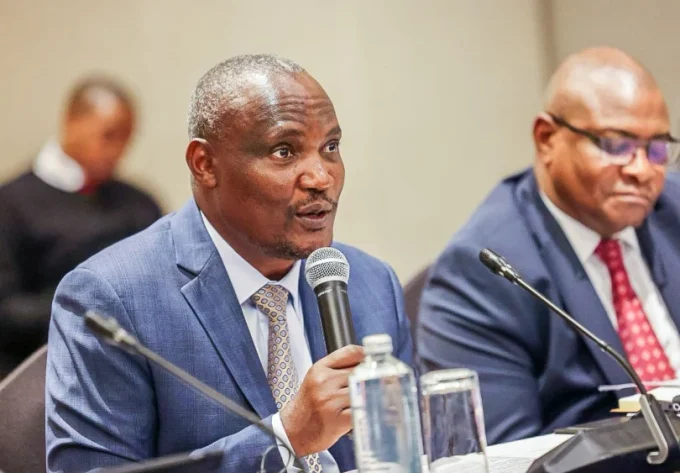
“Ordinary revenue as a percentage of GDP has been declining, and this is attributed to compliance gaps, tax expenditures and sectors that contribute significantly to GDP but remain lightly taxed,” Kiptoo said during a National Assembly leadership retreat.
Treasury said the drop is linked to tax non-compliance, the wide use of tax incentives and exemptions, and low taxation in agriculture, even though the sector contributes about 22 per cent of the economy.
While overall revenue collections continue to increase year after year, Treasury noted that the growth rate has slowed, meaning collections are not rising as fast as the economy.
Kiptoo said the trend is widening the gap between government spending needs and the resources available, at a time when debt obligations are taking up a bigger share of revenue.
Treasury estimates that close to half of ordinary revenue in the 2025/26 financial year will go to Consolidated Fund Services, which include interest payments on domestic and external debt, as well as pensions. About a decade ago, the share was roughly 16 per cent.
With more money going to debt servicing and other fixed costs, Treasury data shows development spending has reduced sharply. The share of the budget allocated to development has fallen from about 28 per cent in 2016/17 to around 11 per cent today.
Tax incentives
Treasury also pointed to the cost of tax incentives and exemptions, estimating cumulative tax expenditures at about Sh500 billion, reducing the size of the taxable base.
Agriculture was highlighted as a major area with low tax contribution despite its large role in the economy. Treasury said most agricultural activity remains outside the formal tax system, leaving more of the tax burden on formal workers and consumers through income tax and VAT.
The concentration of taxes on a smaller group has become a major public issue, especially after proposed tax increases in the 2023/2024 and 2024/2025 Finance Bills triggered protests that forced the government to withdraw several measures.
Treasury acknowledged that the protests affected its fiscal consolidation plans and contributed to missed deficit reduction targets, but officials said the government is now focusing on expanding the tax base rather than raising rates.
Under the National Tax Policy and the Medium-Term Revenue Strategy, Treasury said it is working on simplifying tax laws, improving compliance, and strengthening enforcement by the Kenya Revenue Authority through digital systems and data integration.
Kiptoo said the government’s long-term target is to lower tax rates, including a possible reduction of VAT from 16 per cent to 15 per cent, and changes to income tax bands, but only if the tax base grows.
“You cannot reduce rates without expanding the base, yet on the expenditure side, the demand for roads, water, health and education continues to rise,” he said.
Treasury said the government is also exploring other financing options to reduce pressure on the budget, including public-private partnerships for commercially viable projects and plans to establish a National Infrastructure Fund to attract private capital.












Leave a comment