

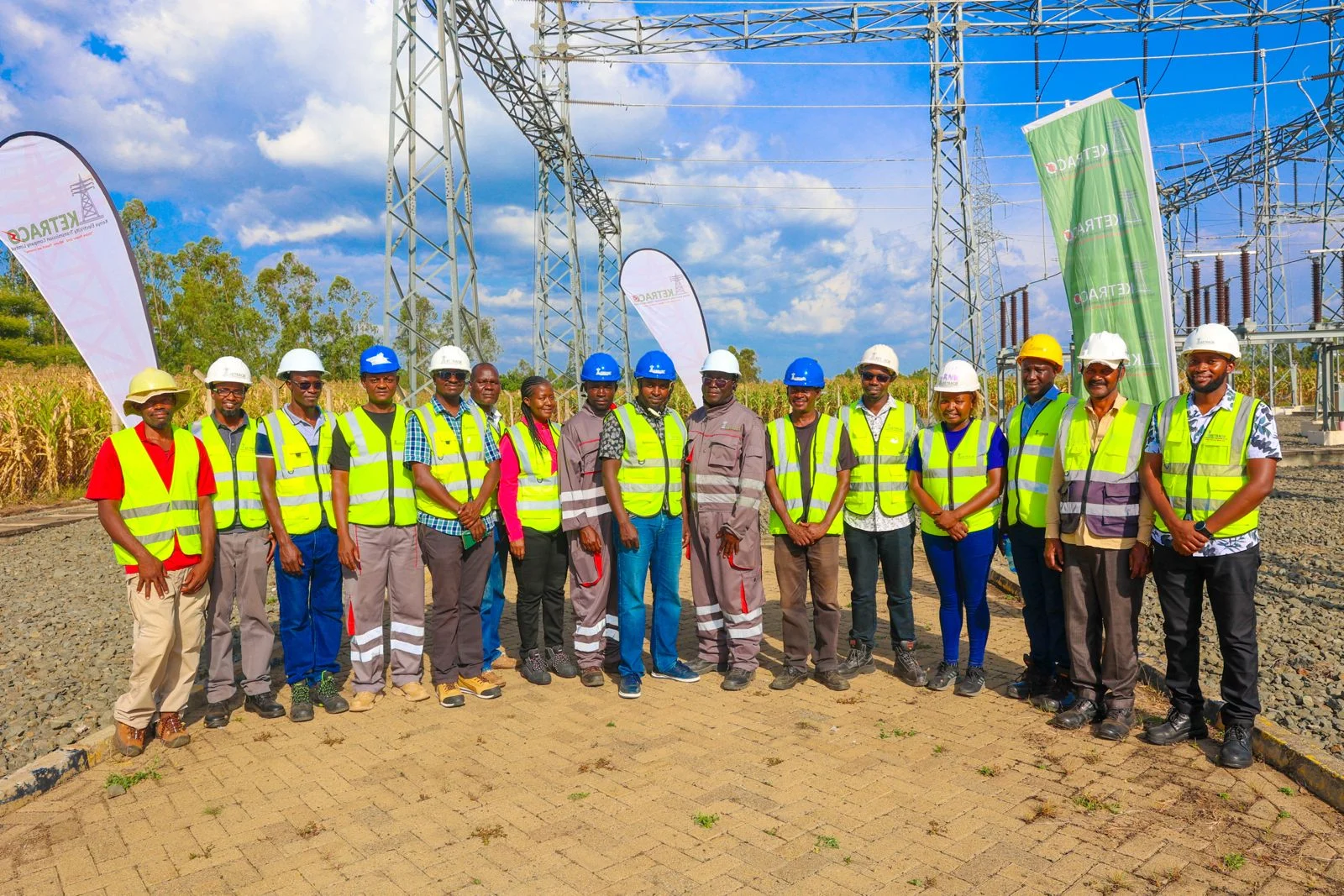
Homa Bay, Ndhiwa, and surrounding areas in South Nyanza are set to benefit from a more reliable electricity supply following the energisation of the 132kV Sondu (Thurdibouro)–Homa Bay (Ndhiwa) Transmission Line by the Kenya Electricity Transmission Company (KETRACO) on Friday, January 30.
The line is part of a Ksh 692.8 million government-funded project aimed at easing electricity constraints in the region, reducing technical losses, and supporting industrial growth.
For years, South Nyanza’s electricity supply has relied heavily on a single, long transmission route from Kisumu via Muhoroni and Chemosit, spanning over 200 kilometres. The new line shortens the route to just 69 kilometres, directly linking Sondu to Ndhiwa and significantly improving efficiency.
Ending nightly power shedding
South Nyanza has struggled with inadequate electricity capacity for years. The existing Kisumu–Muhoroni line, rated at 81MW, has been unable to meet the region’s demand of approximately 120MW.
As a result, about 20MW is shed every evening to prevent system instability, leaving households and businesses in the dark during peak hours.
“The new Sondu–Homa Bay Transmission Line will relieve the overload and provide more reliable power for homes, hospitals, schools, and businesses,” Eng. Kipkemoi Kibias, KETRACO Acting Managing Director, said.
Adding;
“This is a major milestone for South Nyanza. Reliable electricity is essential for economic growth and improving the quality of life for residents.”
Local business owners have welcomed the development. Jane Odhiambo, a cold storage facility operator in Ndhiwa, said the new line could reduce losses and prevent spoilage.
“Every evening when power goes off, we risk losing hundreds of kilos of fish and vegetables,” she said. “With a more stable supply, we can expand operations and even hire more staff. This is a big boost for small businesses like ours.”
Energy experts say the line will support economic growth in South Nyanza by providing reliable electricity to industries and small businesses. Voltage stability is critical for manufacturing, refrigeration, internet services, and other commercial operations.
“Every minute a business goes without power is money lost,” said Peter Nyang’wa, an energy analyst based in Kisumu.
“By shortening the transmission route and providing an alternative power evacuation path from Sondu and Sang’oro power stations, this project directly improves the business environment in Homa Bay and Ndhiwa.”
The project also strengthens the wider regional grid, benefiting parts of Kericho County through the Sotik–Chemosit–Kisii Transmission Line. The development is expected to attract new investments, as reliable electricity is often a key consideration for investors deciding where to establish businesses.
Public safety
KETRACO emphasised the need for public safety, warning residents who have encroached on the transmission corridor to relocate.
“From the outset, we engaged the community and advised those who had put up structures along the transmission corridor to move for their own safety,” Kibias said.
“The line is live now, and safety remains a priority. This project is designed to serve and benefit the wider region.”
The 132kV Sondu–Homa Bay Transmission Line was implemented over 24 months, beginning May 30, 2024, and running to May 30, 2026. The works included detailed design, material supply, installation, testing, and commissioning of the line.
KETRACO said the project underscores its commitment to strengthening Kenya’s national transmission grid and supporting the government’s agenda to provide reliable, affordable, and sustainable electricity across the country.
“The energisation of this line is not just a technical achievement,” Kibias added. “It directly supports socio-economic development by ensuring businesses, hospitals, schools, and households have access to stable electricity. This will enable small industries to expand, attract investment, and ultimately create jobs for the local population.”
For the average resident and business owner, the immediate benefit will be fewer outages during peak evening hours. For industries, the project ensures improved voltage stability and reduces technical losses, which translates into lower operating costs.
As South Nyanza continues to grow, with rising demand from households, businesses, and new industries, the Sondu–Homa Bay Transmission Line will play a critical role in sustaining this growth. Experts predict that the improved supply could stimulate new business ventures, particularly in agro-processing, cold storage, and light manufacturing, which have previously been held back by unreliable power.
“This line is more than just electricity; it is an enabler of growth,” said Nyang’wa. “With power supply stabilising, South Nyanza can start to think bigger—industrial parks, technology hubs, and value-add processing facilities are now feasible.”
The project represents a strategic investment in the region’s future, signalling the government’s commitment to bridging the electricity gap and ensuring that growing demand is met efficiently and safely.










Leave a comment