

The vehicle market has entered a new pricing reality, according to data by Jiji Kenya, which shows that average vehicle listing prices have risen significantly over the past two years from approximately KSh 797,000 in 2024 to KSh 1.37 million in 2026.
The increase reflects a significant change in Kenya’s vehicle market, with buyers navigating higher costs while seeking reliable vehicles at fair prices. As prices rise, consumers are becoming more deliberate in comparing options, researching market value, and looking for ways to maximise their purchasing power. Despite the overall increase, about half of all vehicle listings on Jiji remain below KSh 2 million, demonstrating that buyers still have access to a wide range of vehicles across different price points.
As buyers place greater emphasis on value, they are increasingly turning to alternatives that offer more choice and price visibility. Direct-to-owner marketplaces top this as they enable consumers to compare car options across models, price points, and locations, while connecting them directly with sellers. This gives buyers greater confidence as they navigate one of their largest financial commitments.
The trend towards more informed decision-making is also being shaped by Kenya’s growing automotive culture. Online communities and content creators are driving interest in vehicle ownership, maintenance, and buying decisions through reviews, comparisons, and ownership experiences across platforms such as TikTok, Instagram, YouTube, and Facebook.
See Also >> CIC Insurance Shakes Up Micro-Insurance Market Segment
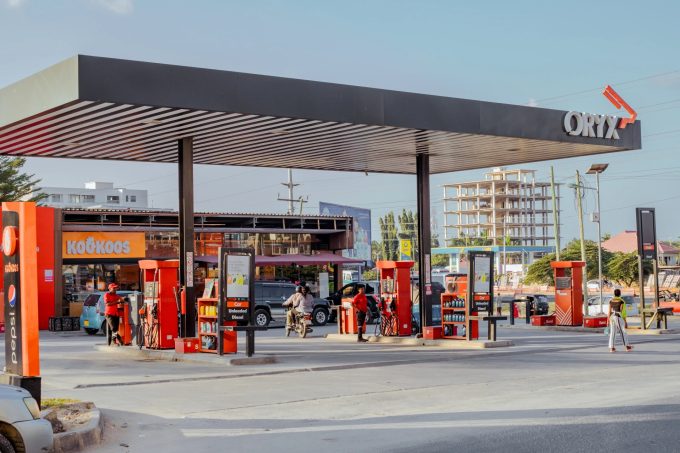
In June 2026, Nairobi’s maximum retail price for petrol was KSh 214.03 per litre, while diesel was KSh 222.86 per litre. This wider cost environment makes factors such as fuel efficiency and long-term running costs increasingly relevant when consumers compare vehicles.
Changes affecting the cost of imported used vehicles are also influencing the market. In July 2025, the Kenya Revenue Authority introduced a new Current Retail Selling Price (CRSP) schedule for used motor vehicles. This is used in computing customs value for imported cars and other vehicle types. Against this backdrop, pre-owned vehicles remain an attractive option for many buyers, offering access to a wider range of models at different price points.
Jiji’s data further shows that the median listing price for locally used vehicles has moved from just under KSh 1 million to just over it, reinforcing the emergence of a new KSh 1 million benchmark in Kenya’s vehicle market. By comparison, foreign-used vehicles have an average listing price of approximately KSh 4.5 million. Locally used vehicles on the other hand average about KSh 1.5 million, making imported models nearly three times more expensive on average. Across all vehicle listings on the platform, the average asking price stands at approximately KSh 2.5 million, which reflects the broad mix of vehicles available in the market.
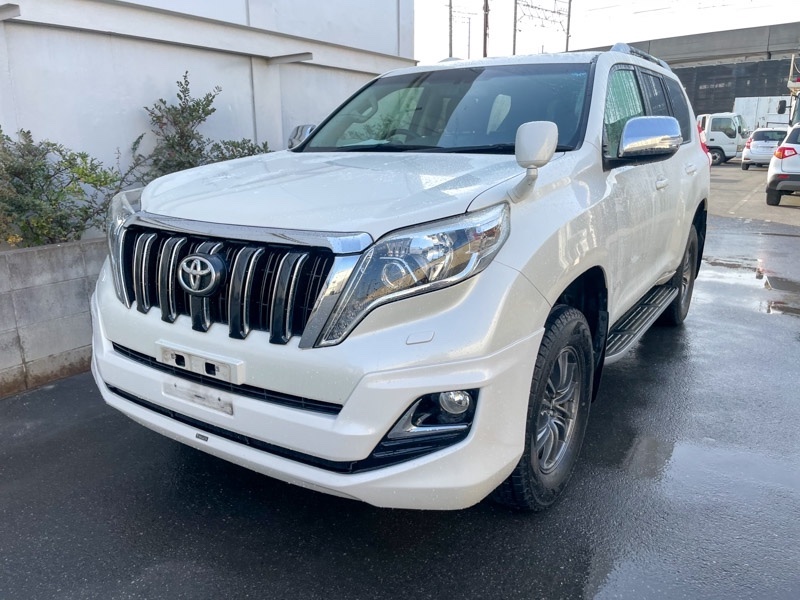
Among all vehicle listings on Jiji, the Toyota Prado remains the most listed model, accounting for just over 5% of all listings. This underscores its continued popularity among Kenyan buyers and sellers.
Another factor influencing how consumers shop for vehicles is mobile-first technology. It allows them to conveniently research prices, compare options, and connect with sellers online on platforms like Jiji, before completing transactions offline.
Speaking on the findings, Maxim Makarchuk, COO, Jiji Africa, said vehicle ownership remains deeply embedded in Kenya’s economic and social aspirations. “As the market matures, the opportunity doesn’t just stop at selling more vehicles, but making the entire ecosystem more efficient,” said Makarchuk. “Improving how people discover, evaluate, exchange, and ultimately unlock value from vehicles.”














Leave a comment