

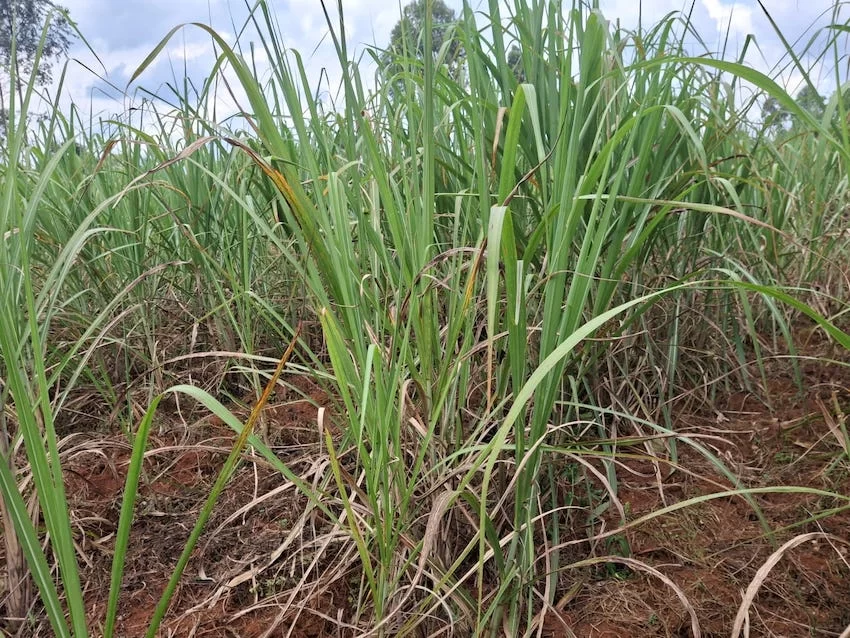
In a move aimed at restoring stability and long-term sustainability in Kenya’s sugar industry, the government has announced a temporary closure of all sugar milling operations in the Upper and Lower Western regions for a period of three months, beginning 14th July July, 2025.
This directive comes as the newly enacted Sugar Development Levy (SDL) takes effect, marking a coordinated strategy to rebuild the sector and phase out sugar imports by 2027.
The closure, communicated in an official notice from the Kenya Sugar Board, targets key millers in Western Kenya, including Nzoia Sugar Company, Butali Sugar Mills, West Kenya Sugar Company (and its Olepito and Naitiri units), Mumias Sugar (2021) Ltd, and Busia Sugar Industry Ltd.
Sugar Board CEO Jude Chesire said the decision was reached after a stakeholder consultative meeting held on July 4 in Kisumu, which confirmed an acute shortage of mature sugarcane in both regions. The shortage, attributed to inadequate cane development planning, has led to widespread harvesting of immature cane and a drastic decline in sugar production in the first half of 2025.
> Two Kenyan Firms Top in Food Innovation Challenge
“This suspension will allow sugarcane to mature and enable a reset in cane supply planning. We will also conduct a cane census within two months to better assess field readiness ahead of resuming operations,” said Chesire.
In the meantime, all millers have been directed to intensify cane development to ensure a sustainable supply of raw materials going forward.
Coinciding with this regulatory action is the official implementation of the Sugar Development Levy (SDL), effective July 1, 2025, as part of a broader national strategy to rejuvenate Kenya’s
Set at 4%, the SDL will be charged on the ex-factory price of locally produced sugar and the Cost, Insurance, and Freight (CIF) value of imported sugar. The Kenya Revenue Authority (KRA) has been appointed as the official collection agent, with all levies due by the 10th of each month following production or importation. KRA is expected to issue detailed compliance guidelines soon.
The National Treasury has also approved the transfer of the Sugar Development Fund from the Commodity Fund to the Kenya Sugar Board, a move expected to enhance transparency, credit discipline, and effective sector reinvestment.
Speaking during a public participation forum, Chesire outlined how the SDL proceeds — estimated at over Ksh 5 billion annually— will be distributed:
1. 40% (Approx. KSh 2 billion) – Cane development programs
2. 15% (KSh 600 million) – Roads rehabilitation in sugar zones
3. 15% (KSh 600 million) – Research and innovation
4. 15% (KSh 600 million) – Factory modernization
5. 5% (KSh 200 million) – Strengthening farmer institutions
6. 10% – Administrative functions under the Sugar Board
Additionally, from 1st September , 2025, all loan repayments by stakeholders with active financing facilities will be remitted directly to the Sugar Board. Ms Chesire emphasized that the combined impact of these reforms, including ongoing leasing of four state-owned mills and expanded private sector involvement – positions Kenya to end sugar imports entirely by 2027.
“With the SDL in place and proper financing mechanisms, we are now on the right track. The failures of the past must not be repeated. This is the moment to reclaim the future of Kenya’s sugar industry,” he said.
Industry players are now urged to review the new SDL framework, accelerate cane development, and ensure full compliance with forthcoming KRA guidelines. “With the SDL in place and proper financing mechanisms, we are now on the right track. The failures of the past must not be repeated. This is the moment to reclaim the future of Kenya’s sugar industry,” he said.
Industry players are now urged to review the new SDL framework, accelerate cane development, and ensure full compliance with forthcoming KRA guidelines.
> Financing Unlocks Access to Electric Motorcycles in Kenya









Leave a comment