

Kenya’s economy is expected to bounce back with improved performance of the agricultural sector, according to a new report.
According to the report released in London by Scope Markets, Kenya’s economy is expected to grow at almost 2% in 2020 driven by improved agricultural performance as export markets open up with the easing of Covid-19 restrictions.
This improved performance is expected to impact the entire value chain positively considering the dominance of agriculture as a key sector in the Kenyan economy.
The analysts noted that the Covid-19 pandemic has had a negative impact on all businesses and sectors within the Kenyan economy, but with the easing of restrictions in key export markets, the agricultural sector was set for a rebound in 2021/ 2022.
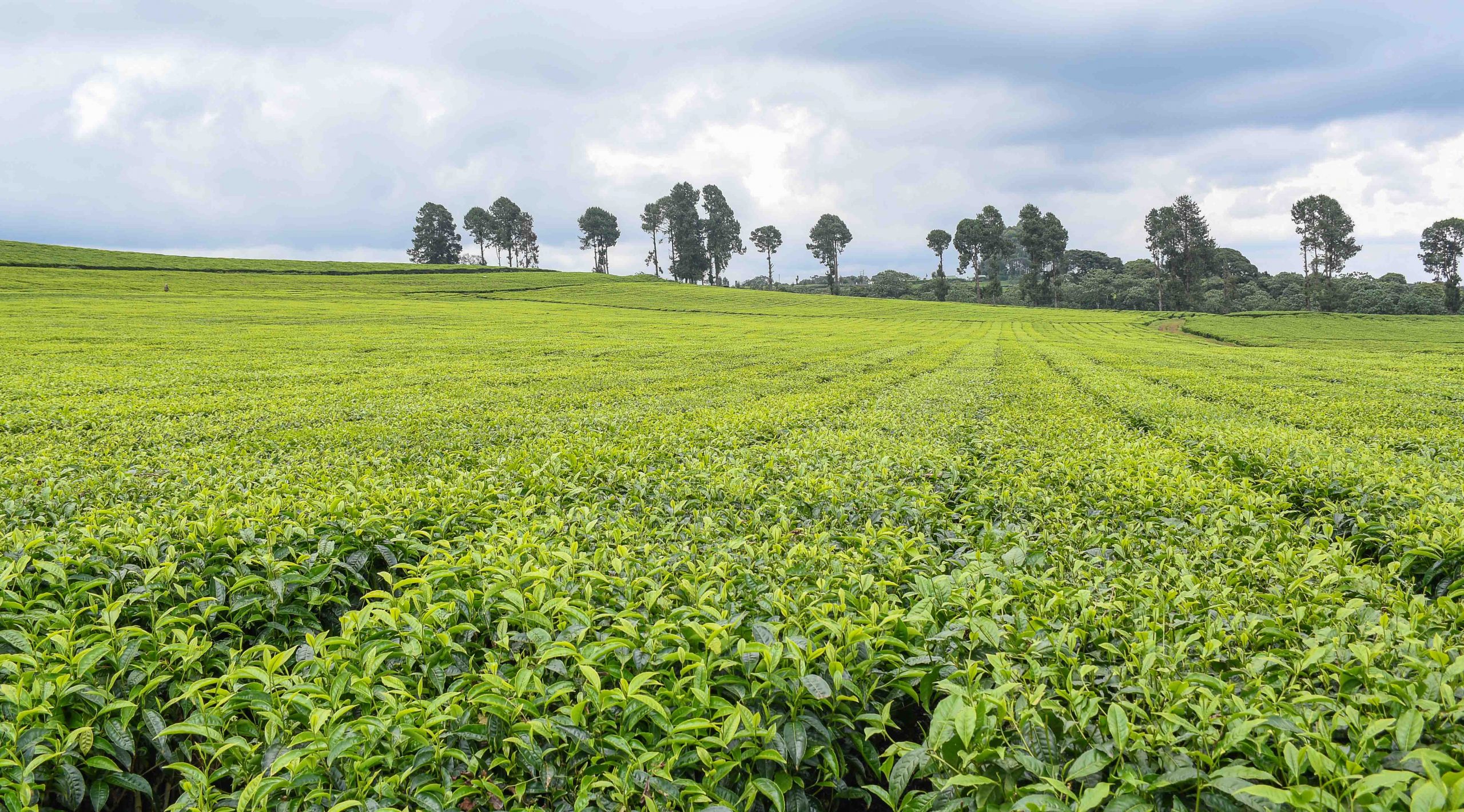
The country’s major agricultural exports are tea, coffee, cut-flowers, and vegetables. Kenya is also the world’s leading exporter of black tea and cut-flowers.
Agriculture is key to Kenya’s economy, contributing between 27 percent to 33 percent of the Gross Domestic Product (GDP) and another 27 percent of GDP indirectly through linkages with other sectors. The sector employs more than 40 percent of the total population and more than 70 percent of Kenya’s rural dwellers.
Scope markets notes that the performance of East Africa’s biggest economy is expected to improve significantly with a 17 percent increase in tea export earnings to US$ 850 million (Ksh9.1 billion) in the first eight months of 2020.
Flower exports are also recovering as European markets ease lockdowns, which is critical considering the European market accounts for 70 percent of Kenya’s cut-flower exports.
The analysts indicate that the significant recovery of the agricultural sector is expected to catalyse accelerated economic recovery with the US$750 million (Ksh8 billion) World Bank grant putting the sector on a firm recovery path.
While the positive signs of recovery are visible, the budget funding is a cause of concern for the Kenyan economy.
The budget gap of East Africa’s biggest economy is seen at 840.6 billion shillings ($7.8 billion) in the current fiscal year or 7.5% of the Gross Domestic Product. Kenya, however, declined the G-20’s offer on debt relief because it would have a negative impact on existing commercial lending terms.













Leave a comment