

Kenyan households dug deeper into their pockets to get oranges, mangoes, cabbages, tomatoes and potatoes on the meal table in the month of September, with oranges becoming the most expensive item on the menu. There was, however, some relief for households following declines in the prices of Ugali and Sukuma Wiki, staple meals in most middle class and rural homes.
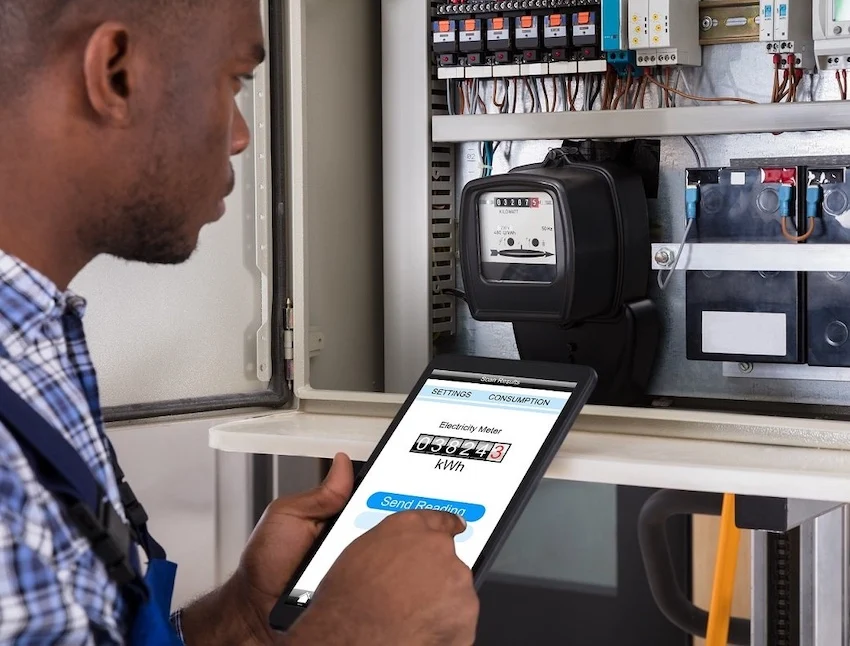
Other expensive items on the household budget included charcoal which rose by 3.4%, while the price of electricity 200kWh increased by 1.0%. The house rent for a single room also edged up slightly by 0.2%. Parents also paid more for school textbooks for secondary level, which went up by 0.2%, and the price of school textbooks for tertiary level, also increasing by 0.2%.
On the other hand, the price of cooking gas declined by 0.2%, and that of kerosene/paraffin dropped by 0.5%. The price of a litre of kerosene/paraffin, used for lighting and cooking in most rural households, dropped slightly from KSh 156.76 to KSh 155.96.
Alcohol consumers were not spared either. The price of Miraa (khat) rose by 1.0%, marking the highest change in this category. The price of traditional beer went up by 0.6%, while the price of beer (lagers and stouts) increased modestly by 0.2%. Similarly, the price of wines registered a slight rise of 0.1%.
> NSE Launches Performance Tracker For Banking Stocks
High Income and Middle class households suffered price hikes in TV subscription fees and other home entertainment devices. The price of TV subscription fees, for subscribers of such services as DSTV rose by 0.7%, while the price of antennae, satellite dishes, and decoders increased by 0.2%. In contrast, the price of woofers, speakers, and tweeters fell by 0.1%, and the price of computers (tablets) by 0.6%.
Those who prefer eating out were also hit. In September 2025, the price of food from canteens and kiosks increased by 0.2%, while the price of food from vendors rose by 0.1%. In contrast, the price of hotel boarding declined by 0.4%. Kenyans also paid more for toilet paper, whose price was up by 1.5%, while the price of hair oil and cream, sanitary towels, tampons, cotton wool, and panty liners each increased by 0.9%.
In contrast, the price of napkins, diapers, and pull-ups for infants fell slightly by 0.3%, and the price of hair driers registered a sharper decline of 2.3%. According to figures from Kenya National Bureau of Statistics, the monthly inflation rate edged up to 4.6% from 4.5% recorded in the month of August.
> Company that Produces Rose Water Reaches Supply Deal
Most Kenyan families depend on Ugali for their daily nutritional requirements. Between August and September 2025, the price of a kilogram of maize grain dropped from KSh 70.93 to KSh 68.14, while the price of a 2kg packet of sifted maize flour decreased from KSh 156.99 to KSh 152.28.
The price of a kilo of cabbages rose from KSh 89.25 in August to KSh 91.67 in September 2025, while that of 13 Kg cooking gas cylinder fell from KSh 3,158.35 to KSh 3,151.65 in September. The price of electricity (200 kWh) increased from KSh 5,539.54 in August 2025 to KSh 5,597.16 in September 2025, and the price of electricity (50 kWh) also rose from KSh 1,259.65 to KSh 1,274.06.
Fuel prices declined slightly, with the price of a litre of petrol down from KSh 186.37 to KSh 185.59 while that of a litre of diesel fell from KSh 172.75 to KSh 172.64.















Leave a comment