

Some of Africa’s big lenders are not only scouting for Kenyan executives to lead an onslaught into the untapped banking business in the Eastern and West Africa regions, but are also keen to set up regional offices in Nairobi.
The list of local banks that have been taken over by foreign buyers keeps growing. For instance, the deeply indebted state-owned National Bank of Kenya has found a buyer in Access Bank of Nigeria which acquired it from KCB. Egyptian Commercial International Bank bought Mayfair Bank and has since rebranded to CIB Kenya.
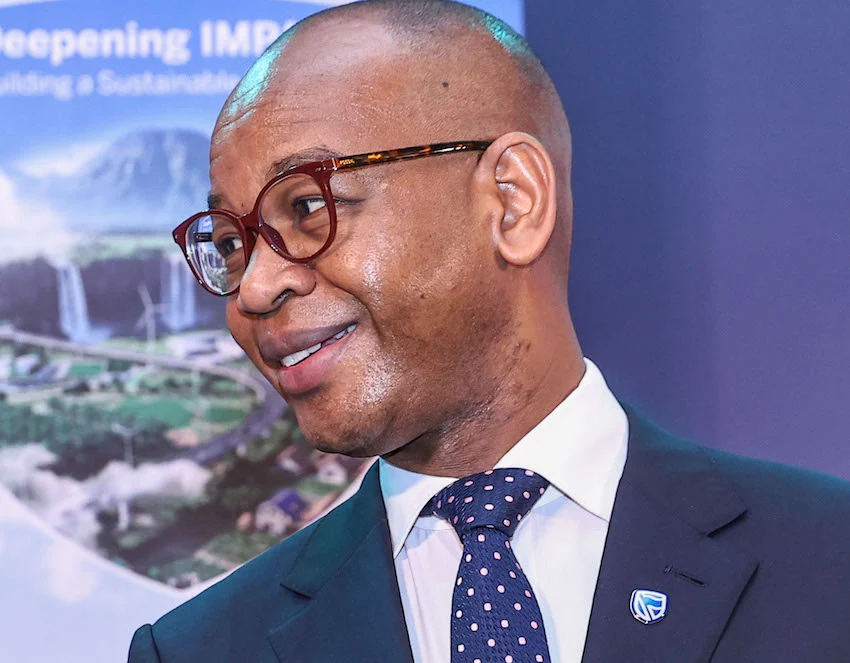
The latest talent catch made by a foreign player is highly experienced 50-year old Mr Joshua Oigara, formerly Group CEO at KCB Group who has been picked by South Africa’s Standard Bank Group to lead its foray into the East Africa region, including South Sudan. Joshua Nyamweya Oigara takes up this role beginning September this year.
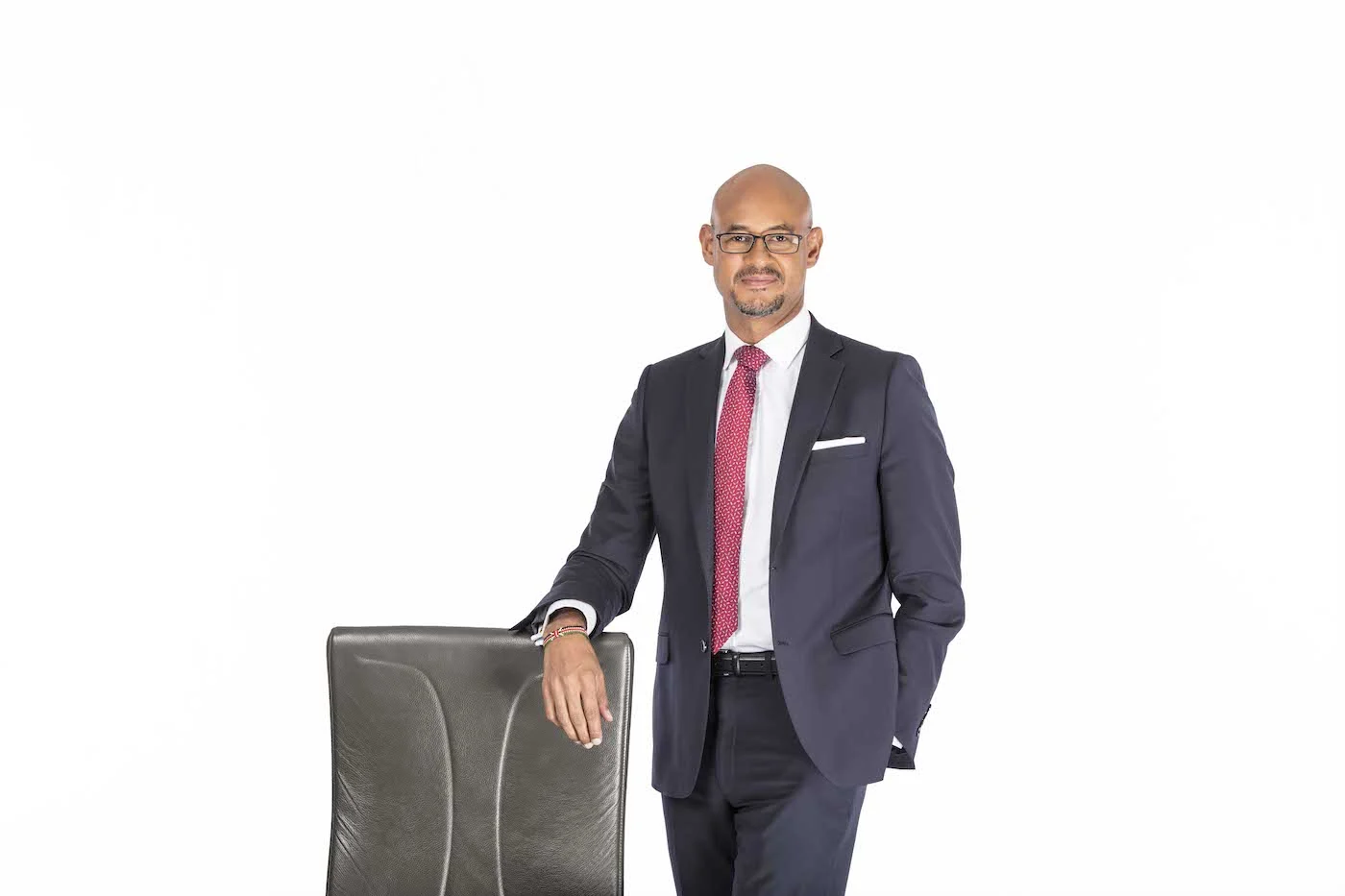
Another top CEO, 54-year old Mr. Jeremy Awori, a Kenyan with a British-born mother, is now in charge of running the affairs of Ecobank Group across 35 markets in Africa. Awori is the former CEO of Absa Bank Kenya. Adan Mohamed, formerly CEO of Barclays Bank Kenya, had previously been looking after Barclays subsidiaries in Africa for almost a decade.
But what is making Kenya’s banking business attractive to foreign buyers?
“Kenya’s banking business has always been attractive. Remember, multinationals used to run Kenya’s banking business alongside state-owned banks. This is before private entries came up, driven by innovation and financial muscle, to overtake the incumbents. What we are witnessing now are niches being established with each playing to its strengths,” said Eric Musau, Research Director, Standard Investment Bank(SIB).
Kenya has had senior CEOs operating in East Africa and across Africa and other markets for years now. Big hitters in the investment banking business, such as JP Morgan on the other hand, have scrambled to set up in Kenya’s Capital Market, so as to offer back-office investment banking expertise and services to their foreign clients and multinationals in the East Africa region.
“Our capital and money markets are relatively developed relative to other African countries hence the attraction of Nairobi,” said Rose Ndegwa, a banker.
> Things Many Kenyan CEOs Are Most Worried About
Foreign investors who play in stock markets worldwide from London, New York, Beijing, Delhi to Accra, Johannesburg and Lagos are now hooking up with Nairobi, to undertake their complex and huge transactions that revolve around the worldwide on a 24-hour clock.
“We are well positioned. Banks follow the money. Kenya also has strategic fintech solutions and tech advancements in general. Lots of money and deals are closed here in Nairobi. In terms of financial evolution they are only second to South Africa,” said CFA Dedan Maina.
In recent weeks that coincide with the half-year earnings season, foreign investors have been dominant in the trading session as net buyers, recording huge net inflows and targeting the big cap firms at the NSE. The NSE is one of the largest and most active bourses in Africa, with a lot of deals and cash moving through Kenya to the wider East Africa region and the rest of Africa.
Nairobi Securities Exchange is rated among Africa’s top 5 largest after Johannesburg, Egyptian Exchange (EGX), Nigeria Stock Exchange (NGX) and Casablanca Stock Exchange in Morocco “With growing uncertainties prevailing on the wider international markets, many foreign investors are now diversifying to frontier markets,” said Maina.
> Britam Launches Insurance Cover For Electric Vehicles











Leave a comment