

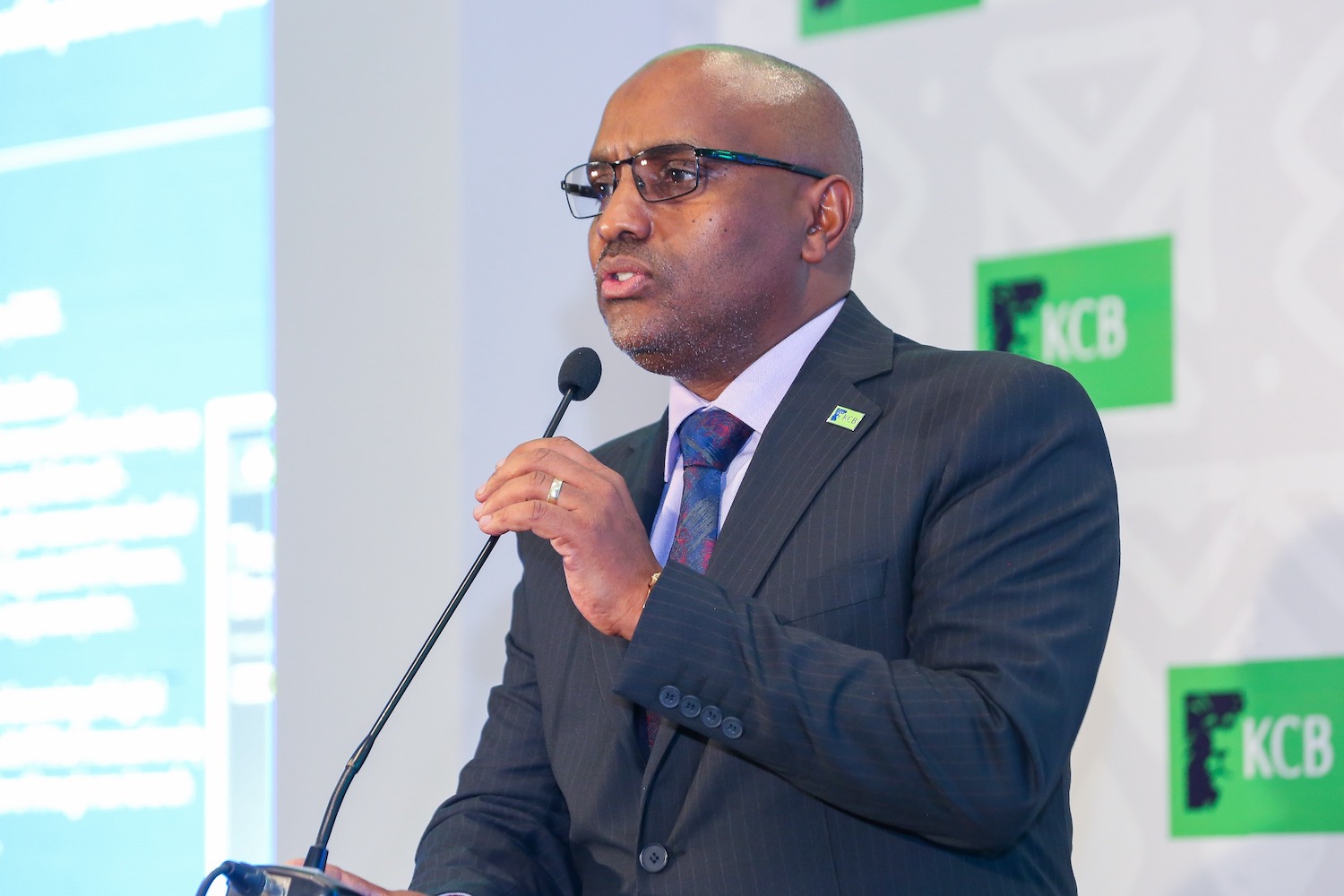
KCB Tanzania’s cumulative Q3 2026 results reflect an expanding banking franchise, with credit growth driving core income higher. However, operating cost pressures and a widening funding gap remain important considerations.
KCB Tanzania Total operating income grew 25.2% to TSh 134.5 billion, supported by a 30.6% increase in net interest income to TSh 98.2 billion.
Profit before tax rose 12.3% to TSh 79.6 billion, while profit after tax increased 17.0% to TSh 55.8 billion.
The slower growth in pre-tax profit relative to operating income reflects rising costs and a less favourable impairment position.
Total operating expenses increased 50.3% to TSh 55 billion, while the cost-to-income ratio deteriorated from 37.1% to 38.6%.
KCB Tanzania loan book size, balance sheet size and non-performing loans
KCB Tanzania Loans and advances grew 32.6% to TSh 1.57 trillion, outpacing deposit growth of 14.4% to TSh 1.30 trillion.
Total assets expanded 24.4% to TSh 2.30 trillion, while shareholders’ funds rose 57.1% to TSh 425 billion.
The 121% loan-to-deposit ratio highlights the growing gap between lending and customer deposits. Sustaining this pace of credit expansion will require stronger deposit mobilisation and careful management of alternative funding costs.
KCB Tanzania Non-performing loans declined 9.1% to TSh 26.9 billion, with the reported NPL ratio at 1.7%. This is encouraging amid rapid lending growth, although continued monitoring is necessary as the expanded loan book matures.
Return on average equity declined to 20.9%, from 25.9% a year earlier, despite higher profits. The sharp expansion in shareholders’ funds has yet to translate into proportionate earnings growth, placing greater emphasis on capital deployment and operating efficiency.
KCB Tanzania’s earnings remain firmly in growth territory, supported by strong net interest income and an expanding loan book. The principal concern is the efficiency and funding sustainability of that growth.
The next phase of performance will depend on the subsidiary’s ability to mobilise deposits, contain operating costs and improve returns on its enlarged capital base.
For KCB Group shareholders, the subsidiary’s contribution is positive, but its ultimate significance must be assessed within the consolidated group’s results.













Leave a comment