

KCB (Kenya Commercial Bank) Group Plc has retained its top perch as the most profitable lender after it recorded a Net Profit of KSh 47.32 Billion for the nine months’ period ended 31st September 2025. The Group’s Shareholders will also receive a bounty KSh 13 Billion interim dividend cheque, at KSh 4.00 per share to be paid out.
All eyes now shift on activity at the Nairobi Securities Exchange(NSE) when it opens for business Thursday as investors price in the strong earnings report.
KCB Balance Sheet size crossed the KSh 2 Trillion line for the first time to settle at KSh 2.04 trillion at the end of September, boosted by its loan book which grew by 7% to KSh 1.24 Trillion.
Revenues for the Group grew 4.5% to KSh 149.4 Billion driven by a 12.4% growth in Net Interest Income to KSh 104.3 Billion.
The Group’s non-performing loans book shrunk 17.8% to from 18.5%, supported by aggressive recoveries and offloading of the loss-making National Bank of Kenya(NBK). However, the non-performing loans still stand at a massive KSh 222 Billion.
KCB Performance Indicators: Key Concerns
Analysts have expressed concerns over this NPL amount, which although has gone down, needs aggressive provisioning to stem the tide.
Deposits of KCB also declined by 1% to KSh 1.5 Trillion, a developing scenario that could impact on the lender’s liquidity.
Gross loans and advances rose 7% to KSh. 1.24 trillion, reflecting strategic lending to key economic sectors including building and construction, agriculture, manufacturing, energy, and water.
KCB Group subsidiaries, apart from the Kenyan bank—continued to deliver solid results, contributing 35.0% of the Group’s profit before tax and accounting for 31.3% of the Group’s total assets.
This performance highlights the strength and resilience of KCB’s regional power and dominance of its diversified business model.
“Despite a tough operating environment in all our markets, we have delivered a strong performance showing the resilience of the Group,” Russo stated.
“We continue to execute our business strategy that is anchored on ‘Transforming Today Together’ and build an agile business that is targeted at transforming the lives of our customers and delivering value for our shareholders and all other stakeholders, “said KCB Group Chief Executive Officer Paul Russo.
The non-banking subsidiaries of KCB Group delivered impressive Q3 results as shown by KCB Investment Bank which recorded a 90% growth in profit before tax (PBT) to KSh230 million, while KCB Asset Management grew its PBT by 71% to hit KSh 118 million.
KCB Bancassurance Intermediary came in with a 16% rise in PBT to KSh833 million.
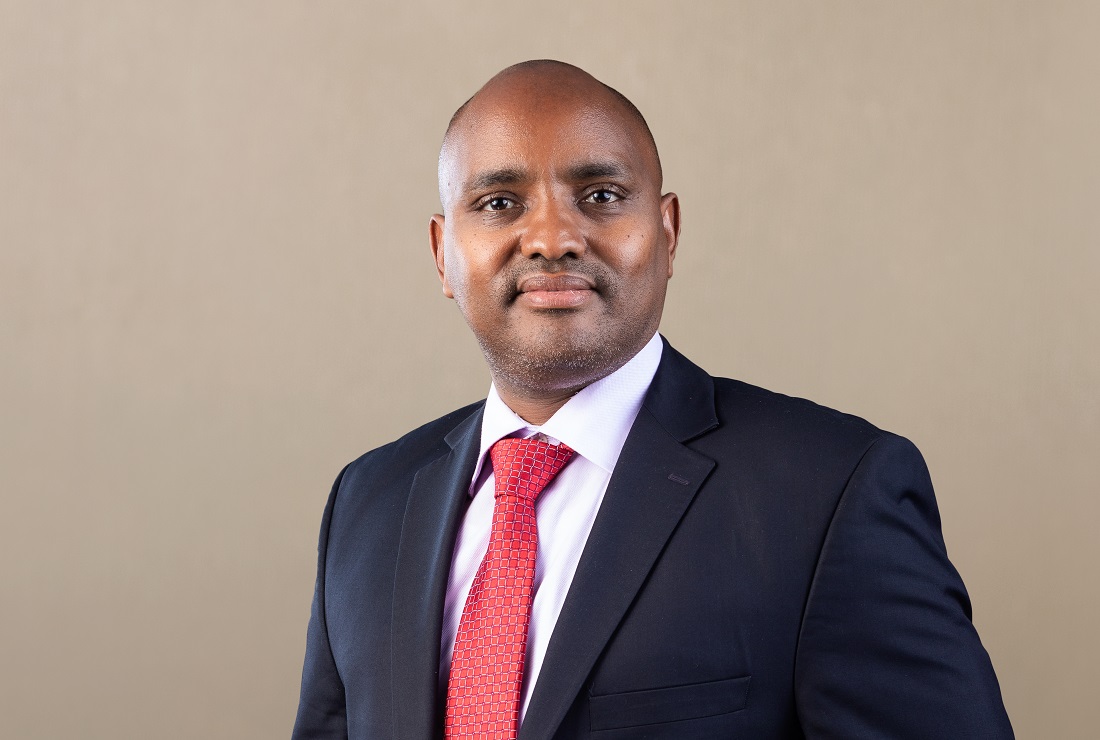
“We are optimistic that we will close the year strong. The Group is well positioned to navigate the impacts in the operating environment to deliver the best outcome for all our stakeholders. We have over the years built a resilient, dynamic and sustainable business for the future,” said KCB Group Chairman Dr Joseph Kinyua.
KCB advances in the digital space
In order to strengthen its presence in the digital space, the Group this month signed an agreement to acquire a minority stake in PesaPal Limited. Subject to regulatory approvals, this move is designed to accelerate commerce and drive the group’s digital agenda across its markets.
The proposed transaction is expected to trigger development of innovative financial services and business solutions for businesses of all sizes across Kenya enhancing value for shareholders of both PesaPal and KCB.
PesaPal, a financial services provider has a presence in Kenya, Uganda, Tanzania, Rwanda, and Zambia. The company serves businesses across key economic sectors including retail, hospitality and travel, petroleum, manufacturing, and B2B services.
Its comprehensive suite of payment and business solutions addresses critical barriers to business growth from limited payment acceptance options to inadequate business management tools and constrained access to credit.
ALSO READ: Banks in Fresh Battle for Space On Digital Payments Platform














Leave a comment