

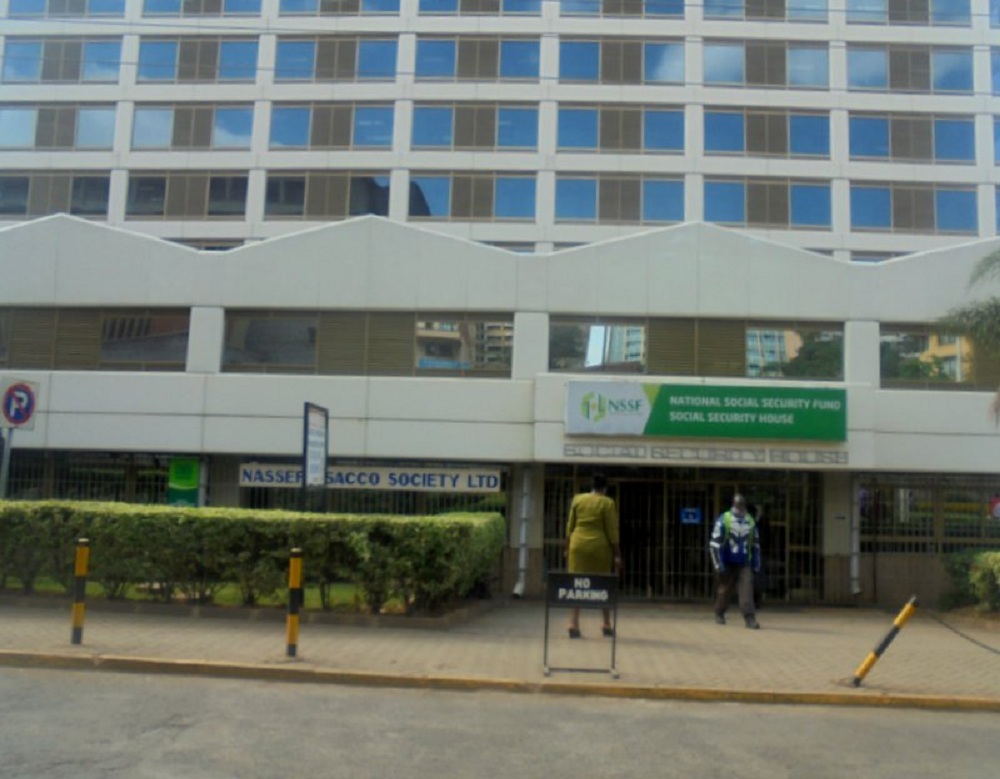
From February 2026, thousands of Kenyan salaried workers will see a further reduction in their take-home pay after new mandatory pension deductions come into force.
The changes follow adjustments to the National Social Security Fund contribution (NSSF) rates, adding more pressure on households already struggling with high living costs and rising statutory deductions.
Employees earning more than Ksh 100,000 per month will pay a maximum of Ksh 6,480 every month, up from the current Ksh 4,320. Those earning below Ksh 100,000 will also be affected, with their monthly contributions increasing to Ksh 6,000 from Ksh 4,320.
Workers earning less than Ksh 50,000 per month will not be affected by the new rates. They will continue contributing between Ksh 1,500 and Ksh 2,100 per month, depending on their income level.
The increase is part of wider pension reforms that changed how retirement contributions are shared. Under the current framework, the total 12 per cent pension contribution is divided equally between employers and employees, with each party contributing six per cent of pensionable earnings.
The fund has already adjusted contribution limits in previous phases of the reforms. The minimum monthly contribution under Tier I was doubled to Ksh 960, while the upper earnings limit under Tier II was raised, allowing higher income earners to contribute up to Ksh 8,400.
While the reforms are intended to improve retirement savings and strengthen long-term financial security for workers, critics say the increases come at a difficult time.
Many employees are already dealing with high inflation, heavier tax burdens and other statutory deductions that have reduced disposable income.
Labour experts warn that the higher deductions could force households to cut back on essential spending or delay financial goals.
Employers have also been reviewing payroll structures and pension arrangements to cope with the higher contribution requirements.












Leave a comment