

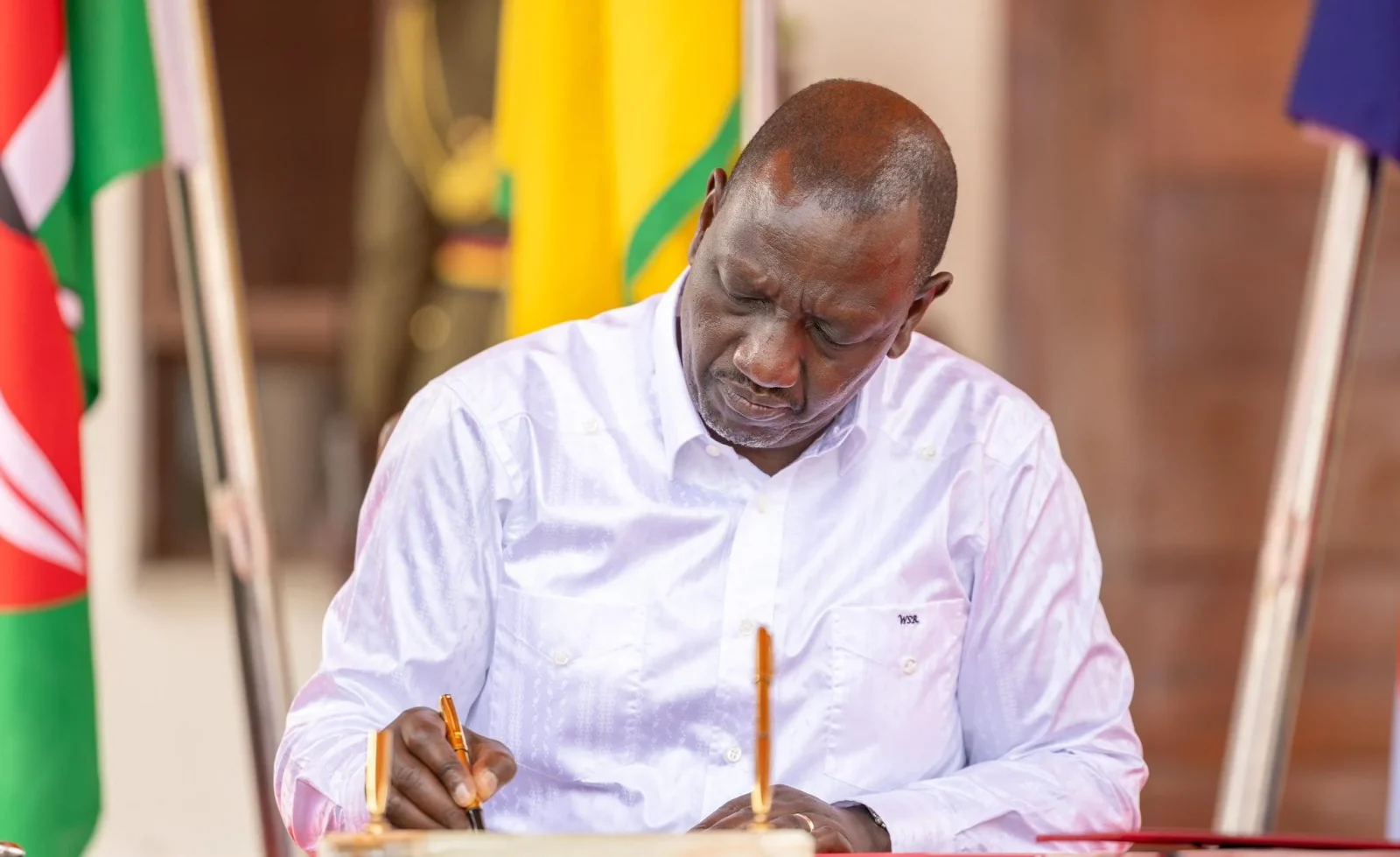
When President William Ruto assumed office in September 2022, he inherited an economy weighed down by surging inflation, a weakening shilling, high debt and widespread public discontent.
Nearly three years later, the question persists: has he stabilised the economy? The answer is both yes and no. Kenya has regained some short-term macroeconomic calm, but the deeper structural challenges remain unresolved.
One of the clearest signs of stabilisation has been on the inflation front. In 2022 and 2023, Kenyans grappled with double-digit price increases that eroded purchasing power and fuelled discontent. Today, headline inflation stands at 4.5 per cent (August 2025, KNBS), comfortably within the Central Bank of Kenya’s target range. This turnaround is the product of aggressive monetary tightening that saw the Central Bank Rate raised to 13 per cent in early 2024, followed by a series of cuts once inflationary pressures subsided, bringing the rate down to 9.5 per cent by August 2025. For ordinary households, the return to single-digit inflation has meant some relief in the cost of living, while investors see it as a sign of restored monetary discipline.
The exchange rate, another pressure point in recent years, has also steadied. After episodes of sharp depreciation, the Kenyan shilling is now trading at around Ksh 129 to the US dollar, with volatility far less pronounced than in 2022–23. This calm reflects a combination of stronger foreign exchange reserves, active central bank management, and crucially, continued support from multilateral lenders such as the IMF.
Indeed, Kenya’s programme with the IMF has been a lifeline, helping to anchor external confidence even as some reviews and disbursements were delayed due to missed fiscal targets. The shilling’s relative stability underscores that Kenya is no longer in the throes of a currency crisis, but the stability remains dependent on external financing and prudent management.
GDP
Growth, however, tells a more complicated story. Kenya’s GDP expanded robustly in 2023 at around 5.6 per cent, but momentum slowed in 2024 and 2025, with forecasts in the 4.5–4.9 per cent range. Quarterly data show growth easing from 5.1 per cent in late 2024 to 4.9 per cent in early 2025. Agriculture, transport and services have kept the economy afloat, while construction and investment have struggled. Stabilisation of prices and the shilling has not yet translated into a return to faster, broad-based growth.
It is on the fiscal and debt front that the Ruto administration faces its toughest test. Kenya’s public and publicly guaranteed debt stood at Ksh 10.58 trillion, or 65.7 per cent of GDP, by June 2024. The Debt Sustainability Analysis published in October 2024 placed the present value of debt at 63 per cent of GDP, well above safe thresholds, and assessed the country as being at a high risk of debt distress.
While the Treasury has set out a Medium-Term Debt Strategy to bring down deficits and debt levels gradually, execution has been uneven. Efforts to raise more revenue through tax reforms sparked massive street protests, forcing the government to retreat on some measures. That political pushback, coupled with recurrent revenue shortfalls, has slowed the pace of fiscal consolidation and undermined credibility with lenders.
Banks, meanwhile, have weathered the turbulence. Non-performing loans have inched upward, but the system has remained stable. The central bank’s rate cuts in 2025 aim to restore lending momentum, though sovereign risk still shadows bank balance sheets.
The verdict, therefore, is a qualified one. On the monetary side, President Ruto can claim success: inflation is down, the shilling is steady, and interest rates are finally falling. These achievements matter, both for households struggling with living costs and for markets that prize predictability. Yet the fiscal story remains unresolved. Debt is still high, deficits remain wide by historical standards, and Kenya’s stability remains heavily reliant on external support from the IMF and other partners.
In sum, Ruto has stabilised the economy in the short term, delivering breathing room and easing the immediate pressures of inflation and currency volatility. But the long-term challenge of fiscal repair and sustainable debt management is still ahead.
Read: TIFA: 32% of Kenyans Believe Raila Will Back Ruto in 2027
>>> Ruto: Kenya’s Development Drive Anchored on Local Resources, Not Borrowing












Leave a comment