

The government is stepping up the use of public-private partnerships to deliver major infrastructure and social projects, aiming to mobilise as much as Sh293.6 billion this financial year.
The approach is expected to bring in both local and foreign investors to fund projects that can generate sustainable returns while easing pressure on public finances.
Planned developments include 2,820 affordable housing units alongside 200 market-rate units in Athi River, a 3,000 capacity tuition facility and accommodation for 800 students at Moi Teaching and Referral Hospital in Eldoret, a 4,000-bed student hostel at the University of Nairobi’s main campus, and a 2,000-bed hospital at Pwani Teaching and Referral Hospital in Kilifi.
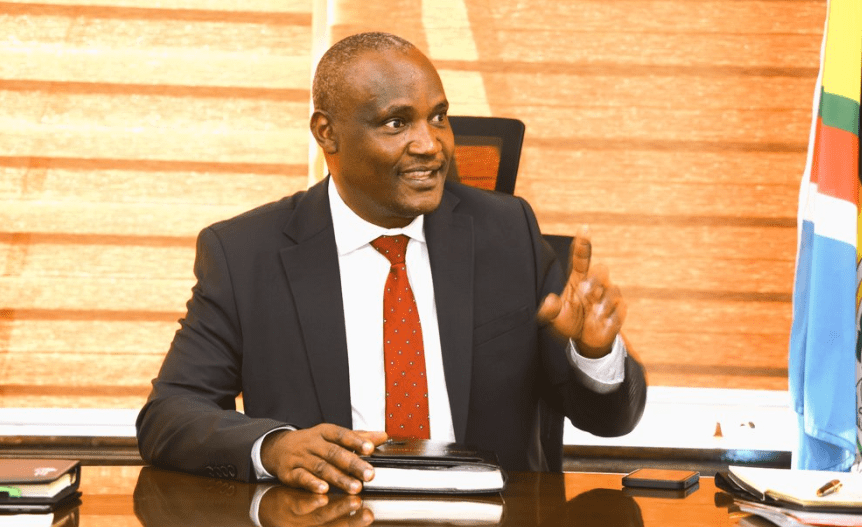
Addressing a private sector symposium in Nairobi on August 11, National Treasury Cabinet Secretary John Mbadi described PPPs as the most practical route for growth in the current economic climate.
“We must also acknowledge a reality: public resources alone are not enough to meet our growing infrastructure demands,” he said.
He emphasised that with limited borrowing options, Kenya needs to find creative and sustainable financing channels.
“When a government can foster a conducive environment for various sectors, including the economy, social development and environmental sustainability, such a government can be described as one that is succeeding,” Mbadi said.
The Treasury chief added that Kenya’s economy is well-positioned for investment under the PPP model. “I am glad to note that Kenya is ready for PPP as an investment option. The country’s GDP is currently estimated at $124 billion while its installed energy capacity is 3,243MW, including 79 per cent renewable energy,” he noted.
He also pointed to large pools of domestic capital that can be tapped for infrastructure, citing Sh2.25 trillion in pension funds, Ksh 7.7 trillion in banking sector assets and significant investments in the insurance and Sacco sectors.
“We are determined to leverage this capital through pooled instruments to tap into the compelling opportunity for sustainable infrastructure financing in Kenya,” Mbadi said.
Kefa Seda, the Director General for Public Private Partnerships, said five PPP projects worth Sh123.1 billion are underway. Three have already been approved and are advancing, while others will be launched from next month.
Among them is the Galana Kulalu agricultural project covering 1.5 million acres, with investments of about Sh46.2 billion over 30 years. The Africa 50 power infrastructure project under Ketraco is valued at Ksh 41.6 billion and will also run for 30 years. The Sabaki Water Project in Mombasa and Malindi will cost Sh31 billion, produce up to 80,000 cubic metres of clean water daily, take four years to construct and operate for 20 years.
“Public Private Partnerships are therefore not simply an alternative procurement model; they are a strategic imperative for Kenya’s development in a constrained fiscal environment,” Seda said.














Leave a comment