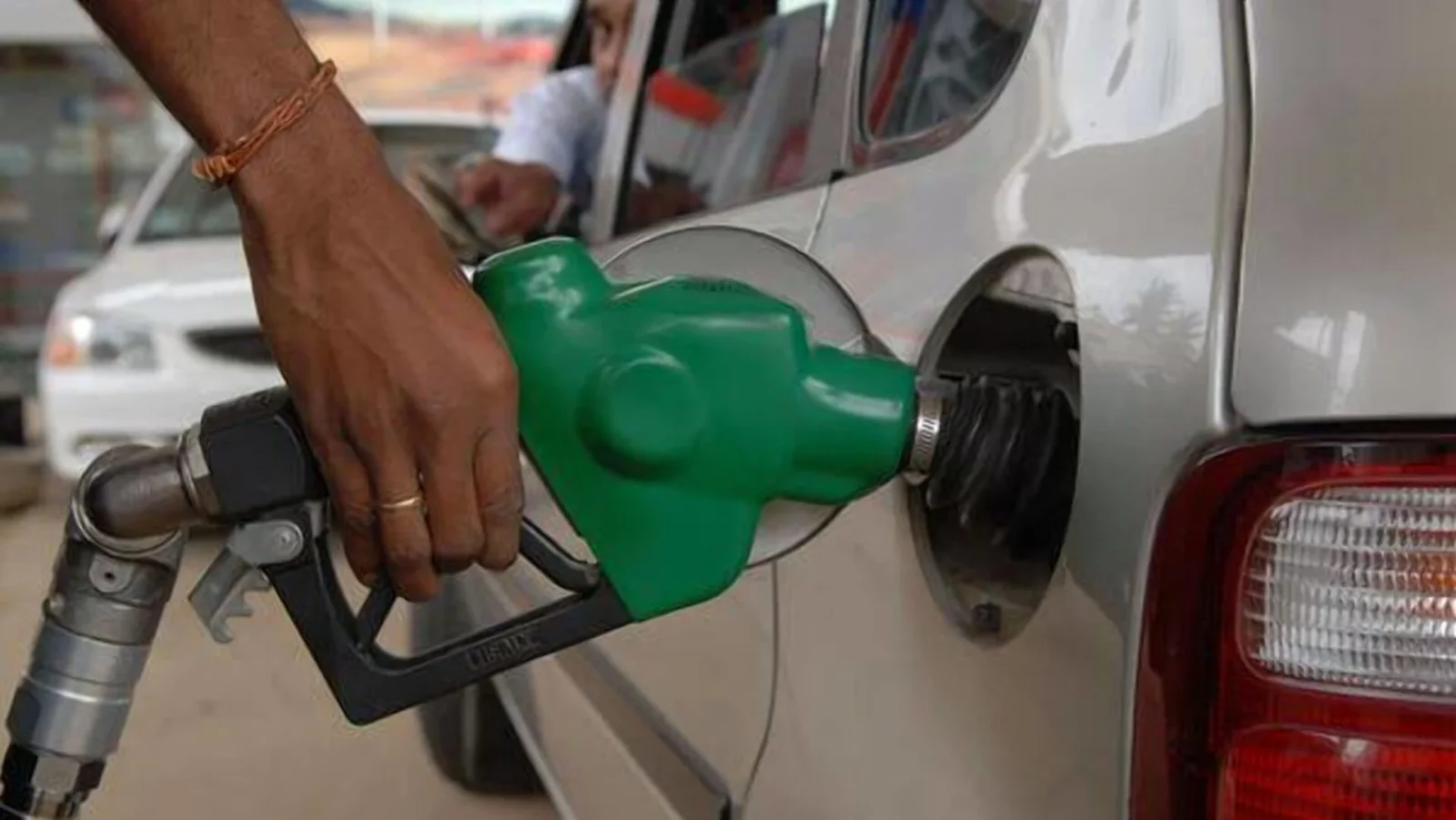
Kenya could be heading into a tight fuel situation after a sharp drop in petrol reserves exposed how vulnerable the country is to global disruptions, especially those coming from the Middle East.
Appearing before MPs, Treasury Cabinet Secretary John Mbadi painted a cautious picture, saying authorities are actively tracking both fuel stocks and shipments amid growing uncertainty over key oil routes.
“We are closely monitoring petroleum reserves and incoming shipments following disruptions linked to the closure of the Strait of Hormuz,” he said.
The Strait of Hormuz remains a critical channel for global oil movement, and any interference there tends to ripple across international markets, often hitting import-dependent economies like Kenya the hardest.
Current data show petrol reserves have fallen to 138,623 metric tonnes, about 16 days of supply. Diesel stocks stand at 207,841 metric tonnes, equivalent to 19 days, while jet fuel is relatively stable at 150,398 metric tonnes, or 49 days.
The petrol levels are now well below the comfort range, raising concern that the country has limited breathing room if shipments are delayed or disrupted further.
Mbadi, however, pointed to incoming cargo as a short-term cushion.
“We expect deliveries of about 290,000 metric tonnes of super petrol between March and April, equivalent to 47 days of cover,” he noted.
Still, the relief may not last long. Kenya’s fuel demand remains high, with monthly consumption estimated at 255,000 metric tonnes for petrol, 170,000 for diesel and 80,000 for jet fuel. This steady demand continues to shrink available buffers.
At the same time, global supply chains are under strain. Shipping through the Gulf has become riskier and more expensive, with delays already being reported as tensions persist. Industry players say vessels destined for Kenya are being closely watched, given how quickly the situation could shift.
Beyond supply concerns, the Treasury is also bracing for a financial hit if the crisis drags on.
“Petroleum imports generate about Sh30 billion monthly in taxes,” Mbadi said, warning that disruptions could significantly dent government revenue.
He added that Kenya could lose up to Sh60 billion in the 2025/26 financial year, depending on how long the instability lasts. Imports from the Middle East alone contribute roughly Sh273 billion annually, underlining the scale of exposure.
There are also growing concerns about the broader economic impact. Mbadi noted that global uncertainty could affect investor confidence, particularly coming shortly after Kenya’s $2.25 billion Eurobond transaction in February 2026.
If the situation worsens, the country could face a combination of higher fuel prices, a weaker shilling and increased cost of living, as import bills rise.
For now, incoming shipments of petrol, diesel and jet fuel are expected to stabilise supply in the short term. But with tensions around the Strait of Hormuz showing no clear end, Kenya’s fuel outlook remains fragile, with little margin for error in the months ahead.
Absa Bank Kenya Plc has renewed its title sponsorship for the Absa...
Kenya’s efforts to reshape its Special Economic Zones (SEZ) policy are gathering...
A major sewerage upgrade project is underway in Meru Town, targeting improved...
Vision Plus is the first manufacturer globally to engineer a synchronised pest-resilient...
Leave a comment