

By all indications, the biggest disappointment for many salaried Kenyans in the Finance Bill 2026 was not what was included, but what was left out.
For months, workers had anticipated significant Pay As You Earn (PAYE) reforms following government signals that low-income earners would receive tax relief. Among the proposals widely supported by stakeholders were raising the tax-free income threshold from KSh24,000 to KSh30,000 and restructuring PAYE bands to reduce the burden on middle-income earners.
However, the Finance Bill 2026 as published did not contain those changes, sparking criticism from professional bodies, employers and workers.
The current PAYE structure has increasingly come under scrutiny as workers grapple with multiple statutory deductions, including housing levy contributions, pension deductions and health insurance contributions.
The Law Society of Kenya (LSK), Kenya Bankers Association (KBA) and other stakeholders proposed a new tax structure that would effectively make monthly earnings of up to Ksh30,000 tax-free through an increase in personal relief from KSh2,400 to KSh3,000. They also proposed wider tax bands and lower effective rates for middle-income earners.
Their argument is simple: Kenyan workers have seen their disposable incomes shrink significantly over the past few years as taxes and mandatory deductions have increased faster than salaries. A reduction in PAYE would therefore provide immediate relief to households struggling with rising food, transport, housing and education costs.
If the proposal to exempt earnings up to Ksh30,000 is eventually adopted, the biggest beneficiaries would be low-income workers.
Currently, employees earning above Ksh24,000 fall within the PAYE net. Raising the threshold to Ksh30,000 would remove thousands of workers from income tax altogether, leaving them with more money for daily expenses and savings.
For a worker earning Ksh30,000 monthly, even a few thousand shillings retained in take-home pay can significantly affect household budgeting, especially amid persistent inflationary pressures.
Wider Tax Bands
While much public attention has focused on low-income earners, the real battle is arguably among Kenya’s middle class.
Professionals earning between KSh50,000 and KSh300,000 monthly argue that they shoulder a disproportionate share of the country’s tax burden. Stakeholders appearing before Parliament proposed wider tax brackets and lower marginal rates to prevent workers from quickly moving into higher tax bands as salaries increase.
Economists argue that wider tax bands would allow employees to retain more disposable income, boosting consumer spending and supporting economic growth through increased demand for goods and services. More spending by households often translates into stronger business activity and job creation.
Why Treasury Is Hesitating
The National Treasury has defended its decision not to immediately introduce PAYE cuts in the Finance Bill 2026.
According to Treasury officials, the government’s strategy is to broaden the tax base rather than rely heavily on salaried workers. The Finance Bill proposes various measures targeting other sectors of the economy, including changes affecting rental income, digital services and compliance mechanisms aimed at improving revenue collection.
“Public participation remains ongoing, reinforcing that tax policy is iterative and responsive, with the long-term goal of easing pressure on PAYE through a broader, more balanced tax base,” Treasury stated.
Treasury faces a difficult balancing act. On one hand, workers are demanding relief from rising deductions and the high cost of living. On the other hand, government revenues remain under pressure due to growing expenditure needs and debt obligations.
Could PAYE Changes Still Happen?
The debate is far from over.
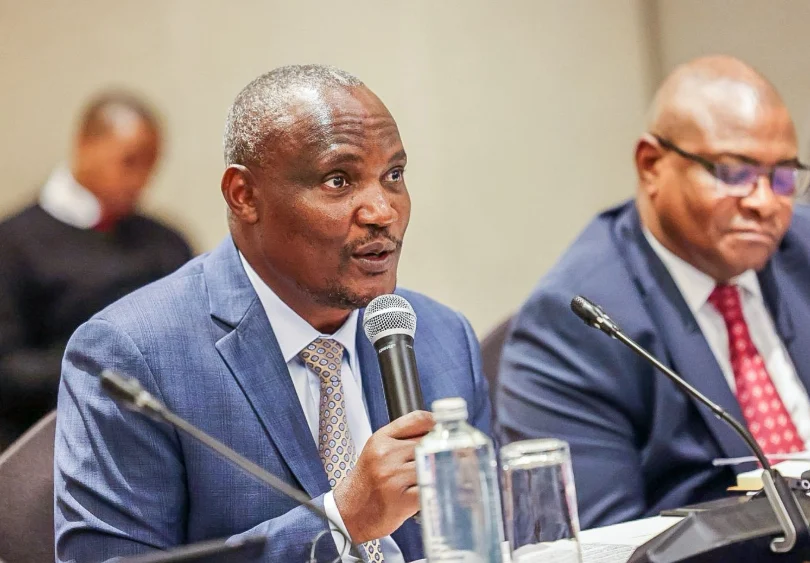
Treasury Cabinet Secretary John Mbadi has repeatedly indicated that proposals to raise the tax-free threshold to KSh30,000 remain under consideration. President William Ruto has also publicly directed the Treasury to develop proposals aimed at reducing or removing PAYE for workers earning up to KSh30,000 monthly.
This means amendments could still emerge during parliamentary consideration of the Finance Bill or through subsequent tax legislation.
For the ordinary Kenyan worker, the PAYE debate is ultimately about purchasing power.
A worker who keeps more of their salary spends more, saves more and is better able to cope with rising living costs. Raising the tax-free threshold to KSh30,000 and widening tax bands would put additional money directly into workers’ pockets and provide immediate relief to households.
However, unless Parliament adopts the proposed reforms, many salaried Kenyans will continue operating under a tax regime that critics say no longer reflects today’s economic realities. The coming weeks of parliamentary debate will therefore determine whether workers receive the relief they have been waiting for—or whether the promise of a lighter payslip remains just that: a promise.
Read: 5 Issues Dominating Finance Bill 2026 Conversations
>>> Finance Bill 2026: What It Has Introduced, new taxes












Leave a comment