

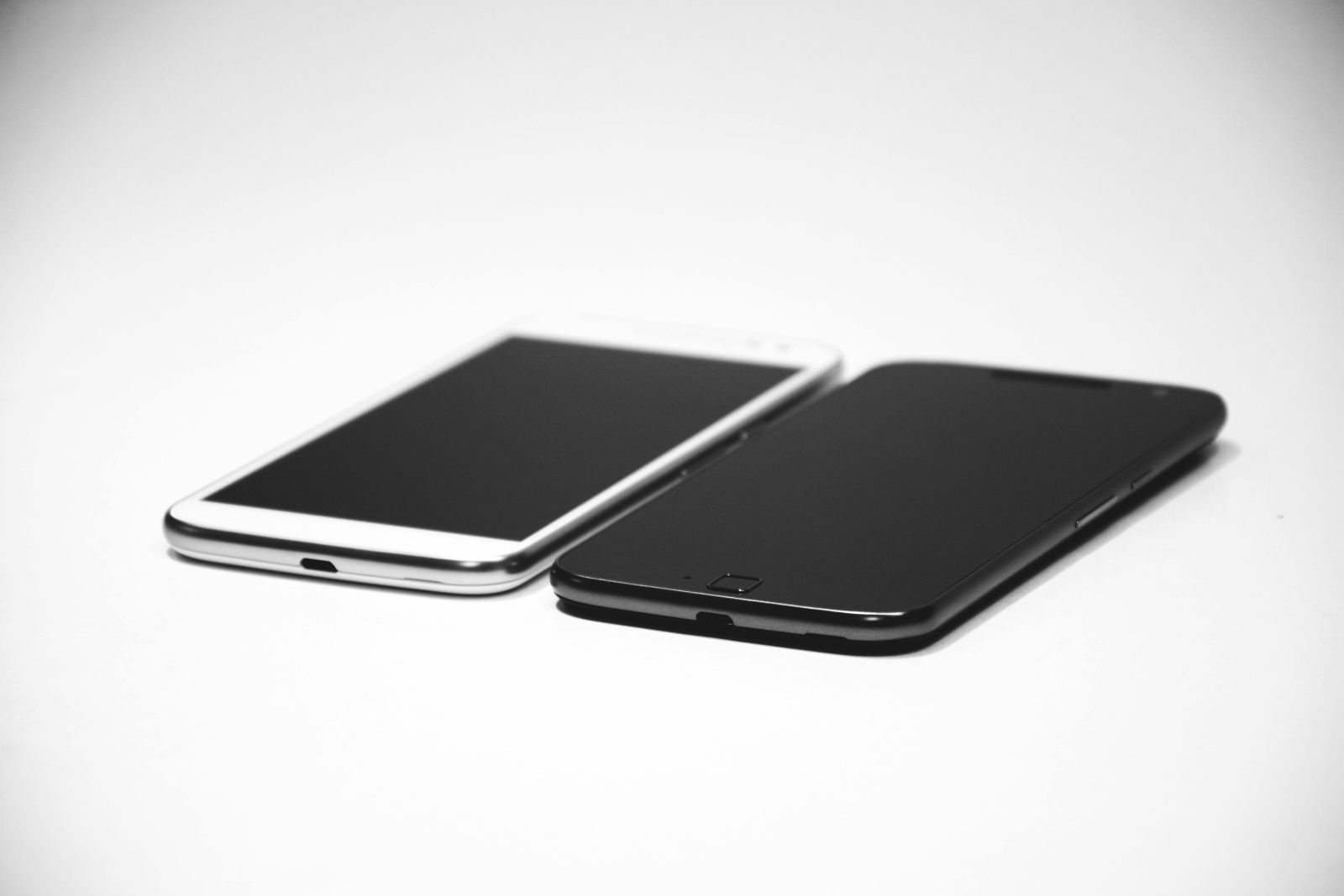
Kenya’s push toward a fully digital economy is facing fresh scrutiny after the Finance Bill, 2026, proposed a 25 per cent excise duty on mobile phones, a move that could significantly raise the cost of smartphones and reshape how millions of Kenyans access digital services.
The proposal introduces the tax on telephones used for cellular or wireless networks, with the charge applied at the point of activation on a mobile network rather than at importation or sale. This marks a shift from the current system and is aimed at improving tax enforcement by capturing all active devices within the tax net.
If approved, the policy could immediately push up retail prices. A basic smartphone currently selling at around Sh10,000 could cost more than Ksh 12,500, even before VAT, import duties and retailer mark-ups are added. For many households already under financial pressure, this could make entry-level smartphones harder to afford.
The Treasury says the move is part of broader efforts to strengthen revenue collection and close gaps in the tax system. The Finance Bill targets an additional Sh120 billion in new revenue for the 2026/27 financial year, with overall collections projected to reach Ksh2.985 trillion.
However, the proposal has sparked debate over its timing and impact, especially as Kenya continues to promote digital transformation across government services, education, banking and commerce.
Pressure on digital access and the informal economy
For many Kenyans, smartphones have become essential tools rather than luxury items. Boda boda riders use mobile apps for navigation and customer bookings, traders rely on mobile money platforms to run daily transactions, and young people depend on internet-enabled devices for freelance and online work.
A tech policy observer noted that “smartphones are now the backbone of everyday economic activity, especially in the informal sector. Any policy that makes them more expensive directly affects livelihoods.”
Kenya’s mobile money ecosystem, often cited as one of the country’s biggest success stories, has also expanded financial inclusion and reduced reliance on cash. Analysts warn that higher device costs could slow smartphone adoption and limit access to these services, particularly among low-income and rural populations.
There is also concern about how the tax aligns with the government’s ongoing digitisation agenda. Platforms such as eCitizen, online tax filing systems, and digital payment services rely heavily on widespread smartphone access. Critics argue that increasing the cost of devices could undermine these efforts.
Policy contradictions and implementation questions
The Finance Bill also includes incentives for green technologies such as electric bicycles and buses, a contrast that has raised questions about the overall direction of policy priorities.
Some observers say the government is sending mixed signals by promoting digital and green transformation on one hand while potentially limiting access to the very tools needed to achieve it on the other.
The new excise duty model also raises practical questions. Since the tax would be collected at the point of activation, it is still unclear whether telecom operators, distributors, or importers will be responsible for remitting it. Industry players warn that this could create compliance challenges and increase administrative costs.
Concerns have also been raised about the impact on second-hand and refurbished phones, which remain a key source of affordable devices for many Kenyans.
As the Finance Bill, 2026, moves through the legislative process, the debate continues over whether the proposed tax will strengthen revenue collection or widen the digital divide at a time when connectivity has become central to everyday life and economic survival.












Leave a comment