

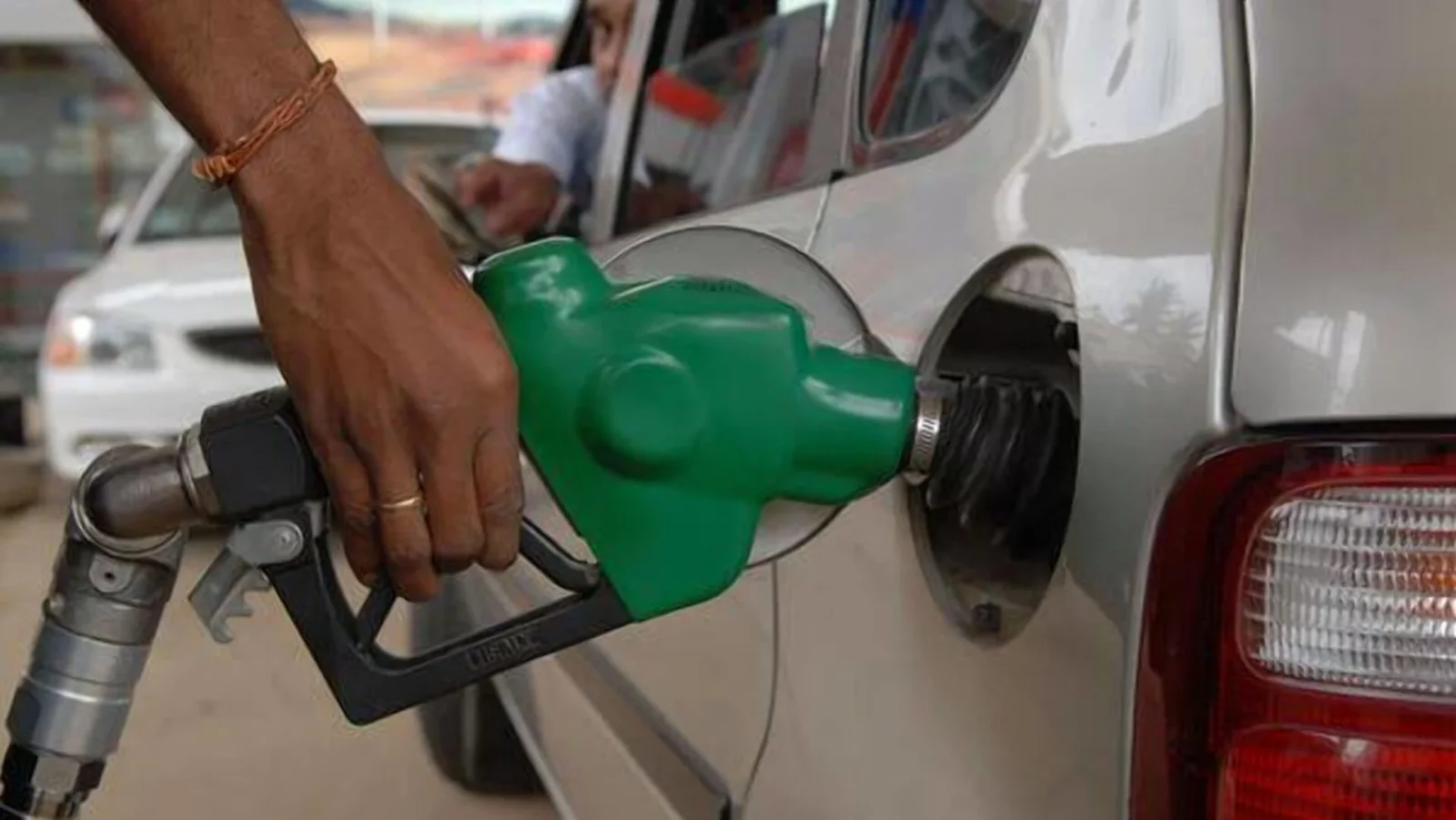
Kenyan motorists and businesses that depend on diesel will get a small break at the pump after the Energy and Petroleum Regulatory Authority (EPRA) announced a Ksh 5 reduction in diesel prices for next month.
The new prices will take effect at midnight on Saturday, August 15, and remain in place until September 14, 2026.
In Nairobi, diesel will now retail at a maximum of Ksh 217.86 per litre, down from Ksh 222.86. Super Petrol will remain unchanged at Ksh214.03 per litre, while a litre of kerosene will continue to sell at Ksh 191.38.
The reduction will be particularly important for businesses and transport operators that use large quantities of diesel, including matatu operators, freight companies, farmers and industries.
While diesel recorded a reduction, EPRA said Super Petrol and kerosene would have increased without government support.
The regulator said additional stabilisation measures worth Ksh 938 million had been put in place to protect consumers from higher prices.
“In the period under review, the maximum allowed petroleum pump prices for diesel decreased by Ksh 5.00 per litre while the price of Super Petrol and kerosene remained unchanged due to additional Government Stabilisation Support Measures of Ksh 938 million,” EPRA said.
The intervention continues the government’s efforts to soften the impact of international oil price movements on Kenyan consumers.
Fuel prices in Kenya are reviewed every month, with the regulator considering factors such as international petroleum prices, the cost of importing fuel, the exchange rate and taxes before setting the maximum pump prices. EPRA’s own statistics show that pump prices can move significantly depending on international market conditions.
A welcome change after months of high prices
The Ksh 5 reduction comes after a difficult period for motorists, with fuel prices rising sharply earlier in the year.
In April, Super Petrol and diesel prices jumped following a surge in international petroleum costs. Diesel later reached Ksh 242.92 per litre in Nairobi during the May-June pricing cycle, putting additional pressure on motorists and businesses.
The subsequent reductions and government interventions have gradually brought diesel prices down from those highs.
The latest figure of Ksh 217.86 is still considerably higher than the levels seen before the sharp increases earlier in the year, but the reduction could offer some breathing room to businesses operating on tight margins.
For public transport operators, fuel is one of the biggest daily expenses. A fall in diesel prices could reduce operating costs, although passengers may not immediately see a reduction in fares.
The same applies to businesses involved in transporting food and other goods. Lower fuel costs can reduce the amount spent moving products from farms, factories and warehouses to markets.
Fuel prices still linked to global oil markets
Kenya remains exposed to movements in the international petroleum market because much of the country’s fuel supply is imported. EPRA has previously noted that the prices of petroleum products are largely influenced by international prices of their respective derivatives.
This means local pump prices can change even when domestic demand remains relatively stable.
For consumers, the effect goes beyond what they pay at a petrol station. Higher fuel costs can eventually find their way into transport fares, food prices, delivery charges and the cost of running businesses.
The latest reduction therefore offers modest relief, particularly to diesel users, while the government’s Ksh 938 million intervention has helped prevent an increase in the prices of Super Petrol and kerosene.













Leave a comment