

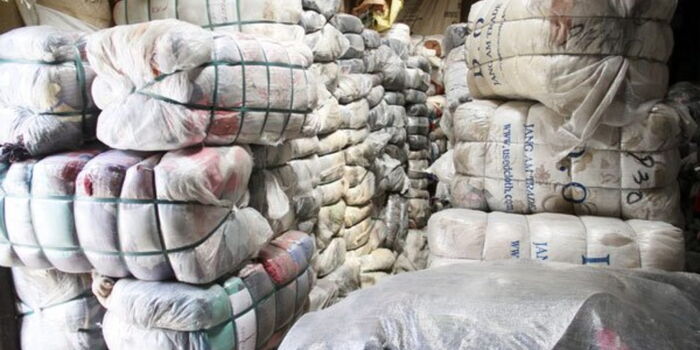
Small-scale traders dealing in second-hand clothes could soon face a new tax burden if proposals in the Finance Bill 2026 are adopted.
The Government of Kenya is seeking to introduce a 5 per cent tax on income earned from imported mitumba, targeting traders who bring in used clothing, footwear and related items. The proposal sits within planned amendments to the Income Tax Act and specifically applies to goods classified under tariff heading 6309.
Unlike other taxes that are settled later, this one would be collected immediately at the point of importation. That means traders will have to pay before their goods are released from customs. It will also be treated as a final tax, locking out importers from claiming any deductions or adjustments afterwards.
The proposal reflects a wider strategy by the government to widen the tax net, especially within the informal sector where millions of Kenyans earn a living but remain largely outside formal taxation systems. Authorities have increasingly turned their attention to sectors like mitumba, which operates across supply chains from importers to small market traders.
Mitumba remains one of the most accessible sources of clothing for many households. From busy city markets like Gikomba to smaller stalls across the country, second-hand clothes provide affordable options at a time when the cost of living continues to stretch incomes. For many traders, the business is not just a side hustle but a primary source of survival.
Economic observers warn that introducing the tax at the import stage could trigger a ripple effect across the entire value chain. Importers are likely to pass on the additional cost, which could push up retail prices. That shift may ultimately be felt by ordinary consumers who rely on mitumba for everyday wear.
There are also concerns about how the tax will affect small-scale traders who already operate on thin margins. Many rely on quick turnover and low pricing to stay competitive. An added tax burden could reduce their buying power, limit stock variety, or even push some out of business altogether.
At the same time, supporters of the move argue that it could help level the playing field between second-hand imports and locally manufactured textiles. Kenya’s textile and apparel sector has long struggled to compete with the dominance of mitumba, which is often cheaper and widely available. By taxing imports, the government may be trying to encourage growth in local production and create more jobs in the manufacturing sector.
Still, the balance between supporting local industry and protecting livelihoods in the informal sector remains delicate. With millions of Kenyans depending on mitumba either as traders or consumers, any policy shift in this space is likely to attract scrutiny.
As the Finance Bill 2026 goes through the legislative process, traders, consumers and industry players will be watching closely to see whether the proposal is retained, adjusted or dropped altogether.













Leave a comment