


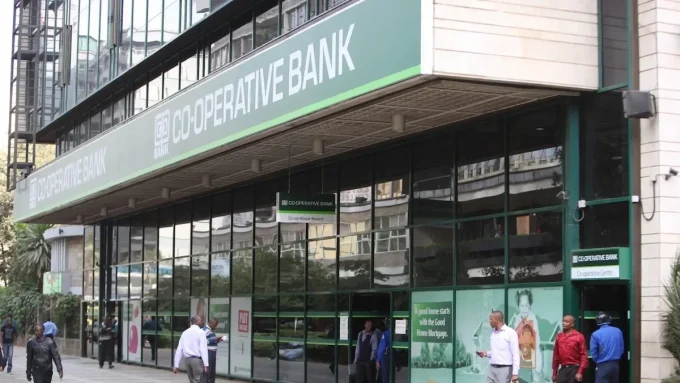
Commercial banks are urging the Central Bank of Kenya (CBK) to hold its key lending rate steady, warning that the economy is facing renewed pressure both locally and globally.
Through the Kenya Bankers Association (KBA), lenders say maintaining the benchmark rate at 8.75 per cent would help protect recent gains while giving the economy time to adjust to earlier policy changes ahead of the Monetary Policy Committee meeting on April 8.
“Exchange rate stability faces risks of a widening current account deficit and potential disruptions to diaspora remittances, arising from the protracted geopolitical conflicts. Sustaining the current monetary policy stance unchanged by keeping the policy rate unchanged at 8.75% would be ideal,” KBA said.
Signs of strain in the economy
Recent data suggests Kenya’s economic recovery is beginning to lose pace, with businesses reporting weaker demand and households cutting back on spending as living costs inch up.
Inflation rose to about 4.4 per cent in March, driven mainly by higher food and transport prices, even though it remains within the Central Bank’s target range.
Despite a series of rate cuts over the past year, credit growth has been slow and uneven. Banks say high levels of non-performing loans and increased risk have forced them to tighten lending, limiting how quickly cheaper loans reach businesses and consumers.
Private sector activity has also softened, reflecting growing caution as uncertainty builds.
Global risks cloud outlook
External pressures are adding to the strain, with ongoing geopolitical tensions pushing up global oil prices and increasing the cost of imports.
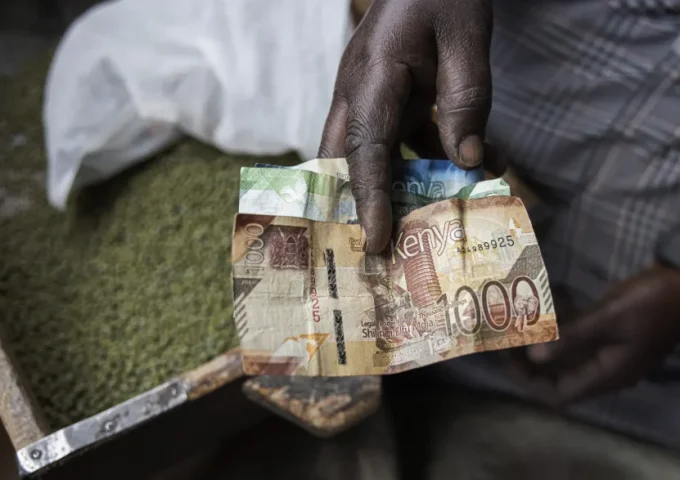
This has started to feed into the local economy, raising concerns about inflation and putting pressure on the Kenyan shilling, which has weakened slightly against the US dollar in recent weeks.
At the same time, a widening trade deficit and fears of slower diaspora inflows are adding to concerns about foreign exchange stability.
Banks warn that moving rates in either direction could have unintended consequences. A rate cut could worsen inflation and currency pressures, while a rate hike could further slow credit growth and weaken economic activity.
In this environment, lenders argue that holding the rate steady offers the most balanced approach, allowing more time for previous policy measures to take effect while shielding the economy from rising global risks.











Leave a comment