


The Kenya Revenue Authority (KRA) has clarified that suppliers doing business with government entities can submit valid tax invoices generated through either the Electronic Tax Invoice Management System (eTIMS) or the Tax Invoice Management System (TIMS).
The clarification addresses concerns over invoice acceptance under the integration between eTIMS and the Integrated Financial Management Information System (IFMIS), which handles government financial processes, including supplier payments.
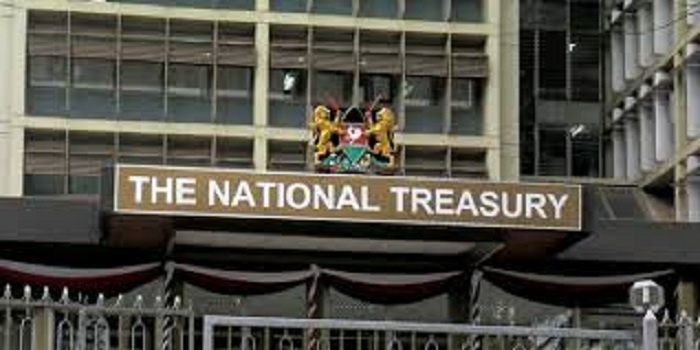
In a public notice issued jointly with the National Treasury, KRA said the integrated system supports the validation of invoices from both platforms, provided they meet the applicable requirements.
“The integration is intended to enhance transparency and accountability in Government transactions, streamline invoice validation and payment processes and strengthen tax compliance through automated verification of tax invoices,” the authority stated.
What suppliers need to know
The announcement means suppliers whose invoices qualify under the applicable rules can continue submitting them through the government payment process without assuming that only one invoicing system is recognised.
However, invoice acceptance does not remove the requirement to comply with tax regulations or guarantee immediate payment. Suppliers must ensure their invoices are valid and that the details submitted to government entities match the records held by KRA.
The clarification follows the authority’s earlier announcement on August 31, 2026, confirming the implementation of the eTIMS-IFMIS integration. At the time, KRA advised suppliers to generate valid eTIMS invoices, ensure invoice details matched the information recorded in the system and keep their tax records up to date.
The latest guidance specifically addresses the treatment of TIMS invoices within the integrated framework.
IFMIS supports government financial management, including procurement and payment processes. Linking it with KRA’s electronic invoicing systems allows invoices to undergo automated verification, helping government entities check supplier documentation before payments progress.
KRA explains compliance requirements
Electronic tax invoicing is part of KRA’s wider effort to improve tax compliance and strengthen the accuracy of business transaction records.
The authority requires businesses to issue electronic tax invoices, subject to applicable legal provisions and exemptions. It also provides invoice verification tools that allow taxpayers to check whether their documents comply with TIMS or eTIMS requirements.
KRA says compliant invoices carry a QR code that taxpayers can scan to verify them. Taxpayers can also use the invoice checker available through the iTax platform.
Suppliers are therefore encouraged to confirm that invoice numbers, buyer details, and other transaction information are accurate before submitting payment claims.
KRA and the National Treasury said they would continue supporting government entities and suppliers in using the integrated system to improve invoice verification and facilitate the processing of legitimate payments.
Suppliers experiencing difficulties can contact KRA through 020 4 999 999 or 0711 099 999, or email [email protected].
The authority’s clarification guides invoice acceptance, but suppliers must still satisfy the relevant verification requirements before their claims can proceed through the IFMIS payment workflow.







Leave a comment