

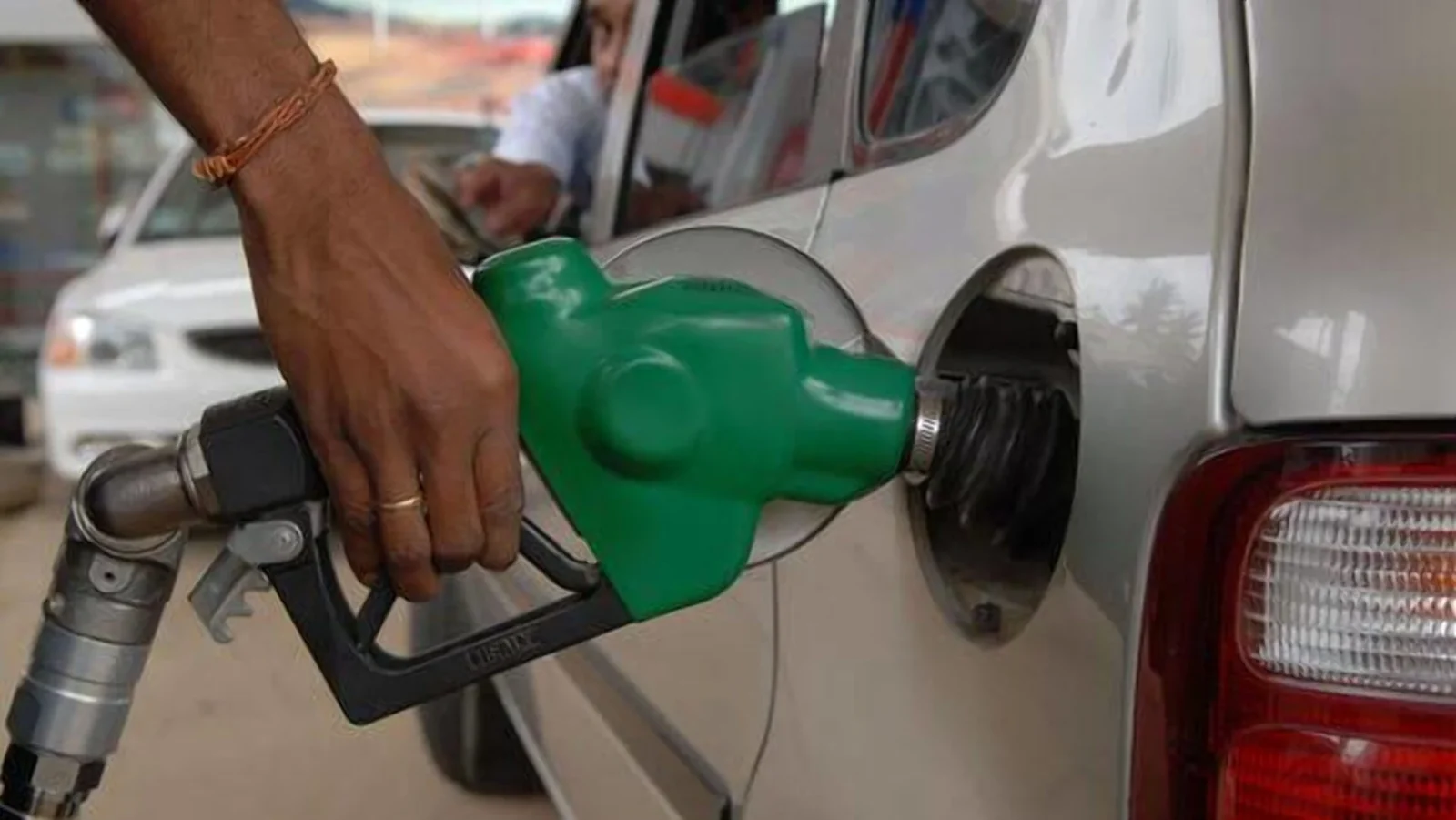
Kenya could face renewed pressure on fuel prices as the cost of importing petroleum products rises, with Energy Cabinet Secretary Opiyo Wandayi warning that the effects of global market disruptions may soon reach local petrol stations.
Wandayi, however, maintained that the country had sufficient stocks to meet demand ahead of the Energy and Petroleum Regulatory Authority (EPRA)’s price announcement on October 14, 2026.
In a statement issued on Tuesday, October 13, the Cabinet Secretary said petroleum shipments continued to arrive and were being offloaded according to schedule despite disruptions linked to the ongoing conflict in the Middle East.
“Our stock position is adequate, cargoes are arriving and offloading on schedule, and fuel has remained available at the pump in every county, without a single day of interruption,” he said.
The assurance comes as international oil supply routes face pressure from attacks on tankers, pipelines and loading facilities. These disruptions have affected the movement of petroleum products and increased the cost of transporting and insuring cargo.
Global oil disruptions push up import bills
Figures released by the Ministry of Energy show that the landed cost of Super Petrol at the Port of Mombasa increased from approximately $1,199 (Ksh155,511) per tonne in August to $1,385 (Ksh179,525) in September.
Diesel import costs also rose, moving from about $1,200 (Ksh155,640) per tonne to $1,313 (Ksh170,194) over the same period.
The increases could put pressure on domestic fuel prices because Kenya’s monthly pricing formula takes international petroleum costs and other import-related expenses into account.
Wandayi said the impact would be reflected in subsequent pricing cycles as the higher costs feed through the system.
“Under our transparent M1 pricing rule, each cargo is priced on the previous month’s benchmarks, so this renewed pressure will reach the pump in the cycles that follow,” he stated.
Under the prevailing September prices, motorists in Nairobi pay a maximum of Ksh214.03 per litre for petrol, Ksh217.86 for diesel and Ksh191.38 for kerosene. EPRA’s October review will determine the applicable maximum retail prices for the next cycle.
Government pursues VAT extension
As consumers await the announcement, the government is seeking to maintain the reduced 8 per cent Value Added Tax (VAT) on petroleum products for another 90 days from October 15.
The lower rate, introduced in April after VAT was reduced from 16 per cent, is scheduled to expire on October 14. Parliament is considering an amendment to extend the tax relief.
In July, the government also announced a Ksh945 million subsidy for the July-August 2026 pricing cycle to help cushion consumers against rising costs.
Fuel prices remain important to households and businesses because changes in petrol and diesel costs can affect public transport fares, freight charges and the price of goods.
Wandayi said the government would continue taking measures to protect consumers from international market shocks.
“The Government of Kenya will continue to take the necessary measures, from time to time, to cushion the public from adverse effects of the global oil market shocks,” he said.
While the government has ruled out immediate supply concerns, the upcoming review will show how rising import costs affect prices at the pump.











Leave a comment