


Digital lenders that are not licensed by the Central Bank of Kenya (CBK) cannot use the courts to recover unpaid loans, a Nairobi Small Claims Court has ruled in a decision that could shape future debt recovery disputes involving unregulated lenders.
The decision arose from two separate cases filed by Tri-State Capital Limited and Mombo iCapital Limited. The firms had moved to court seeking to recover Ksh 500,000 and Ksh 162,297 respectively from borrowers who had allegedly defaulted on their loans.
Before considering whether the borrowers owed the money, the court examined whether the two companies had the legal authority to operate as digital lenders in Kenya. Resident Magistrate Gladys Kiama found that neither company had presented evidence showing the CBK licensed it.
The court ruled that businesses engaging in digital lending must first demonstrate they are operating within the country’s legal and regulatory framework before asking the courts to enforce loan agreements. Since the two companies failed to prove they had the required licences, both cases were struck out.
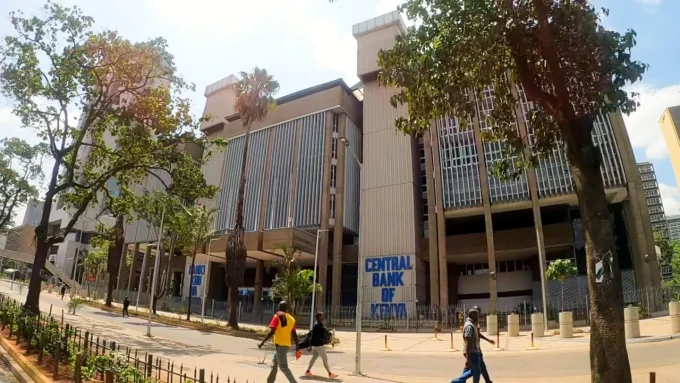
The ruling reinforces the licensing requirements introduced after amendments to the Central Bank of Kenya Act brought non-deposit-taking digital lenders under the regulator’s supervision. The changes were introduced to improve oversight of the fast-growing sector following widespread concerns over high lending charges, unethical debt collection methods and misuse of borrowers’ personal information.
Since the licensing framework came into effect, the CBK has been vetting digital credit providers to ensure they meet regulatory standards before being allowed to operate. Companies that fail to obtain licences risk enforcement action and may also be unable to rely on the courts to recover outstanding loans.
The latest judgment does not cancel borrowers’ obligations to repay money they legitimately owe. Instead, it makes clear that lenders must also comply with the law if they expect the courts to enforce their contracts.
The ruling also serves as a warning to digital lenders that have not regularised their operations. Without approval from the CBK, they may find it difficult to enforce loan agreements through the judicial system, regardless of whether the debt itself is disputed.
The judgment comes as Kenya continues to strengthen regulation of the digital lending industry, with authorities seeking to promote responsible lending practices while protecting consumers from unfair treatment.














Leave a comment