

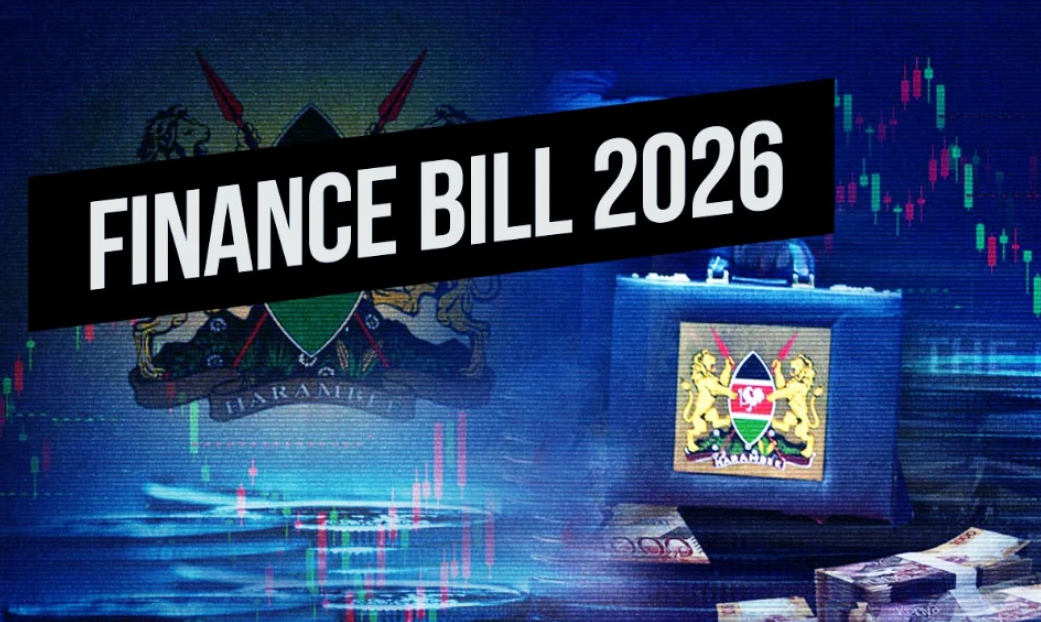
A finance bill is simply an annual legislative proposal submitted to the National Assembly by the National Treasury to introduce new taxes or amend existing revenue laws to fund the national budget.
The Kenya Finance Bill 2026, published around early May 2026, mainly focuses on widening the tax base, improving compliance, and raising revenue without massive new taxes like in previous years.
Here are the key things it has introduced:
Major Tax Changes
- Rental Income Tax — Increased from 7.5% to 10% for residential rental income.
- Mitumba (Second-hand clothes) — New presumptive tax on imported used clothing (around 1.5%–5% of customs value). I have made a whole article on the presumptive tax on mitumba clothes in Kenya. Check it out.
- Deemed Dividends — KRA can now deem at least 60% of retained profits as distributed dividends for tax purposes to stop profit retention tricks.
- Deemed Dividends in the Finance Bill 2026 refers to a rule that allows KRA to treat a portion of a company’s undistributed profits/ retained earnings as if they were paid out as dividends to shareholders for tax purposes even if no actual dividend was declared or paid.
- Digital & Financial Services — The Bill introduces VAT on commissions and fees earned by digital-based financial service providers. These changes mainly target banks, fintechs, payment processors, and card networks to widen the tax base.
- Mobile Phones — Reintroduction of 25% excise duty on mobile phones (it was removed earlier).
Other Notable Introductions
- Shorter deadline for filing income tax returns (from 6 months to 4 months after year-end).
- New taxation rules for non-resident landlords earning rental income in Kenya.
- Removal of some VAT exemptions (e.g., on affordable housing inputs).
- Tax amnesty for old liabilities (up to Dec 2025), valid until end of 2026.
- Stronger KRA powers (pre-populated returns, easier enforcement).
The bill aims to help the government collect around Ksh3.5 trillion in revenue. It is still undergoing public participation and parliamentary debate, so some proposals may change before it becomes law.
Follow Business Today Whatsapp channel for more news.
















Leave a comment