

The Kenya National Bureau of Statistics (KNBS) has revealed that inflation rose sharply in April, signalling renewed pressure on households and businesses as the ongoing Middle East conflict continues to disrupt global fuel markets and push up the cost of living.
According to the latest Consumer Price Index report, Kenya’s annual inflation increased to 5.6 per cent in April from 4.4 per cent in March, mainly driven by rising transport, food and fuel costs. The latest figures come at a time when many Kenyans were only beginning to recover from years of economic hardship caused by the COVID-19 pandemic and the Russia-Ukraine war.
For months, the economy had shown signs of stabilising. Inflation had remained below six per cent, the shilling had strengthened against the dollar after previously weakening to nearly Sh180, and prices of some basic commodities had started easing in different parts of the country.
However, the fresh conflict involving Iran, Israel and the United States has once again placed Kenya under economic pressure because of its heavy dependence on imported fuel.
The tensions in the Middle East raised global fears after Iran threatened to close the Strait of Hormuz, a critical global shipping route that handles nearly 20 per cent of the world’s oil and gas supplies. Any disruption along the route has a direct impact on global fuel prices, shipping costs and supply chains.
Kenya imports most of its petroleum products through Gulf nations such as the United Arab Emirates and Saudi Arabia, meaning the country quickly felt the effects of rising international oil prices.
Fuel prices trigger ripple effect across economy
The impact became more visible after the Energy and Petroleum Regulatory Authority announced a sharp increase in fuel prices despite an eight per cent VAT cut and a Sh6 billion fuel subsidy introduced by the government to cushion consumers.
In Nairobi, the price of a litre of super petrol rose to Sh197.60 while diesel increased to Sh196.63, a sharp jump compared to previous months.
The higher fuel prices have since triggered a ripple effect across the economy.
Public transport fares have gone up in several estates within Nairobi and other urban centres as matatu operators adjust prices to cope with rising fuel expenses. Transporters moving goods across countries have also increased charges, pushing up the cost of food and other basic commodities.
KNBS data shows food and non-alcoholic beverage prices rose by 8.8 per cent in April, while transport costs increased by 10 per cent. Housing, electricity, gas and other fuel costs also recorded increases, adding more pressure on household budgets.
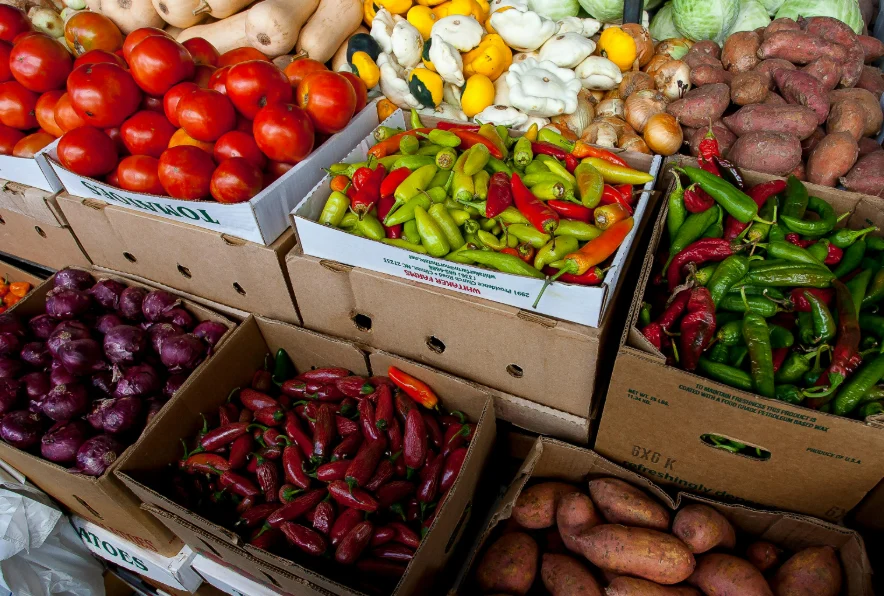
In major markets across Nairobi, traders say the cost of transporting vegetables, cereals and fruits from farming regions has increased significantly over the past few weeks. As a result, consumers are now paying more for everyday items, including onions, tomatoes, cooking oil and maize flour.
Workers and businesses struggle with rising living costs
The rising cost of living is becoming especially difficult for salaried workers whose incomes have remained unchanged despite years of inflation.
Many employees now spend more on transport, food, electricity and rent compared to previous years, leaving little disposable income at the end of the month. Workers in both the public and private sectors say daily expenses are steadily becoming harder to manage as prices continue rising.
During this year’s Labour Day celebrations, William Ruto announced a 12 per cent increase in general wages and a 15 per cent rise in agricultural wages to help workers cope with the high cost of living.
However, several employers have expressed concerns about implementing the wage increase immediately, arguing that businesses are already struggling with high operating costs, taxes and reduced consumer spending.
Meanwhile, the Central Bank of Kenya has warned that inflation could rise even further in the coming months if global oil prices remain elevated due to the Middle East conflict.
CBK Governor Kamau Thugge recently projected inflation could reach 6.2 per cent by July if instability in global oil markets persists.
Transport operators are among the groups feeling the biggest impact from rising fuel prices.
Owners of delivery vans, trucks and public service vehicles say operating costs have increased sharply, forcing many of them to either raise charges or reduce trips to avoid losses. Some transport businesses are also reporting a drop in customers as companies and households cut spending.
Small businesses and informal traders are struggling equally as consumers reduce non-essential spending and focus mainly on food, rent and transport.
Economists now warn that if inflation continues climbing, Kenya could experience slower economic growth in the months ahead as weakened purchasing power reduces demand across different sectors.
Kenya remains highly vulnerable to external economic shocks because of its dependence on imported fuel and other key commodities. While government subsidies and tax cuts may offer temporary relief, experts say the country could continue experiencing price instability if global tensions persist.
The renewed rise in inflation now threatens to reverse some of the economic recovery witnessed earlier this year, especially for low-income households, unemployed youth and informal workers who are often the hardest hit whenever the cost of living increases.















Leave a comment